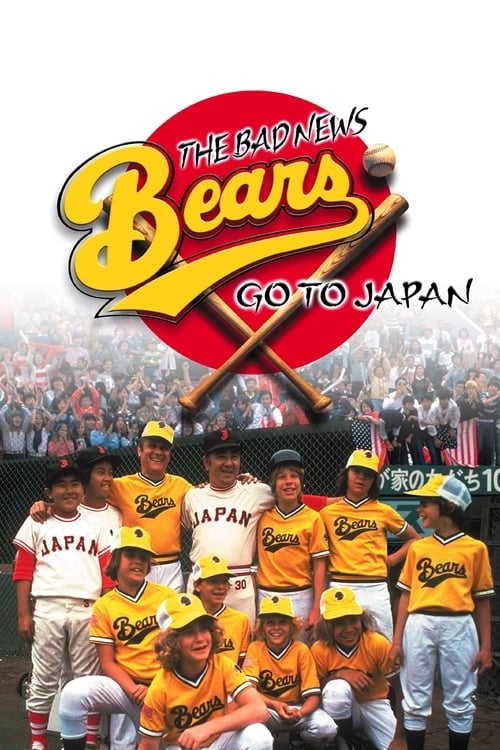
The Bad News Bears Go to Japan
1978
No user ratings available yet
Diversity score: 2.4 out of 10
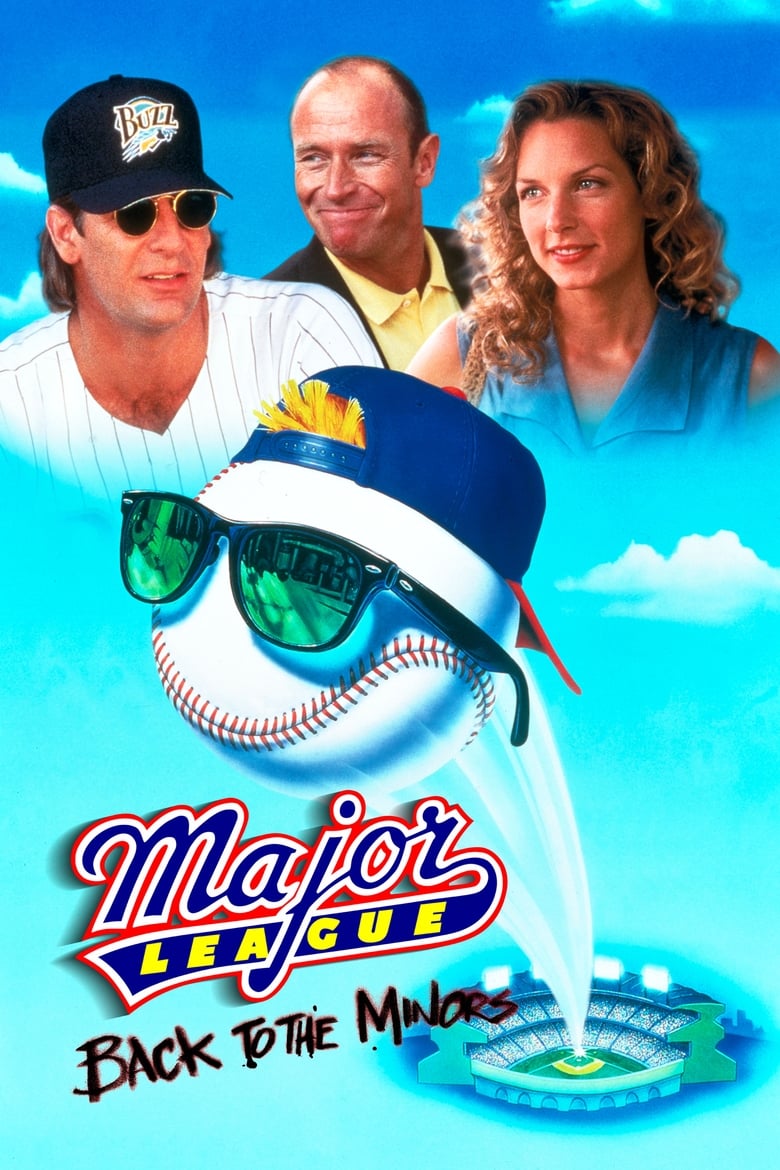
1998
PG-13Director
John Warren
Runtime
100 minutes
Average Rating
No ratings yetSynopsis
At the behest of Roger Dorn -- the Minnesota Twins' silver-tongued new owner -- washed-up minor league hurler Gus Cantrell steps up to the plate to take over as skipper of the club's hapless farm team. But little does he know that Dorn has an ulterior motive to generate publicity with a grudge match between the big leaguers and their ragtag Triple A affiliate.
Overall Score
Limited
Category Breakdown
LGBTQ+ Representation
The film contains no discernible LGBTQ+ characters or narratives. It presents a social landscape through a traditional lens without engaging with non-heteronormative identities.
Gender Representation
The story centers on male camaraderie and professional athletic achievement. Female characters occupy peripheral roles, serving as supporting elements to the central male-driven baseball arc.
Racial & Ethnic Diversity
The cast reflects the demographic homogeneity common in late 90s sports comedies. It lacks intersectional character development or diverse casting strategies to challenge the status quo.
Religious & Cultural Diversity
The narrative operates within a conventional Western framework, celebrating meritocratic struggle and professional achievement. It follows a standard trajectory of redemption without deconstructing traditional social values.
Disability Representation
There are no prominent depictions of physical or neurodivergent disabilities. Characters are defined strictly by their athletic capabilities rather than lived experiences of disability.
Strengths
Areas for Improvement
AI Analysis
Major League: Back to the Minors is a product of its era, prioritizing a centralized, male-driven plot centered on professional redemption. The film adheres to standard sports comedy tropes, focusing on the hierarchy of baseball and the friction between management and players. The narrative reinforces traditional masculine archetypes and a homogeneous demographic profile. It functions within a standard capitalist framework, utilizing the structure of professional leagues as a setting for comedic conflict rather than a site for social critique. Ultimately, the film lacks engagement with diverse identities or the disruption of established power dynamics, opting instead for a narrow focus on athletic competition and social cohesion.
1978

2013
2006

1992
2002
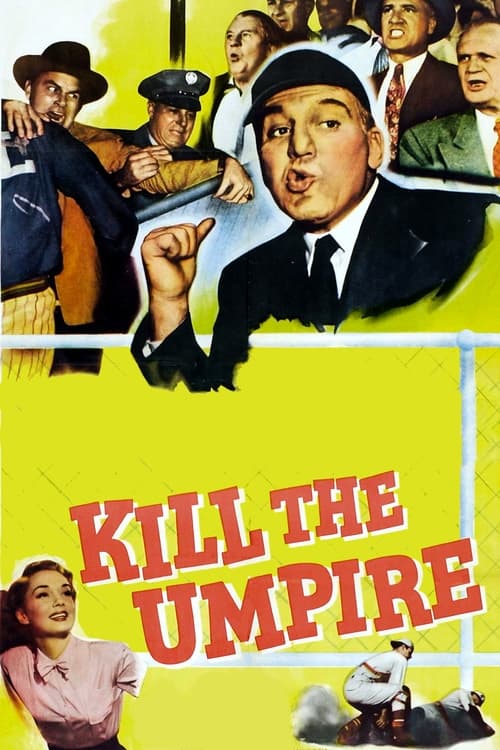
1950

1996

1958

2014
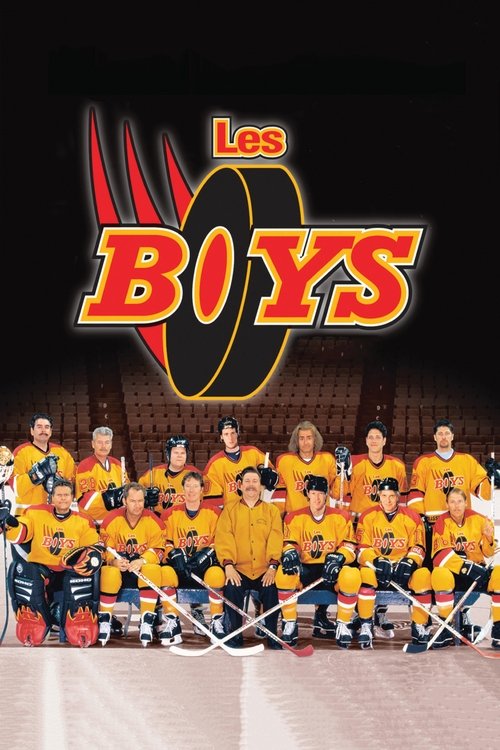
1997
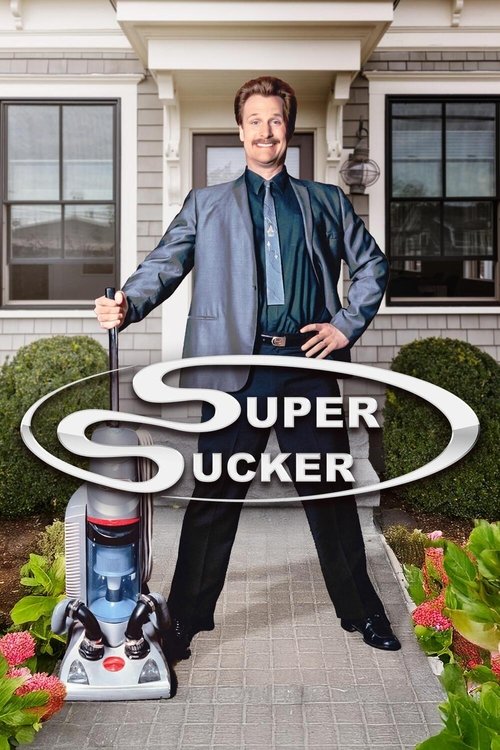
2002
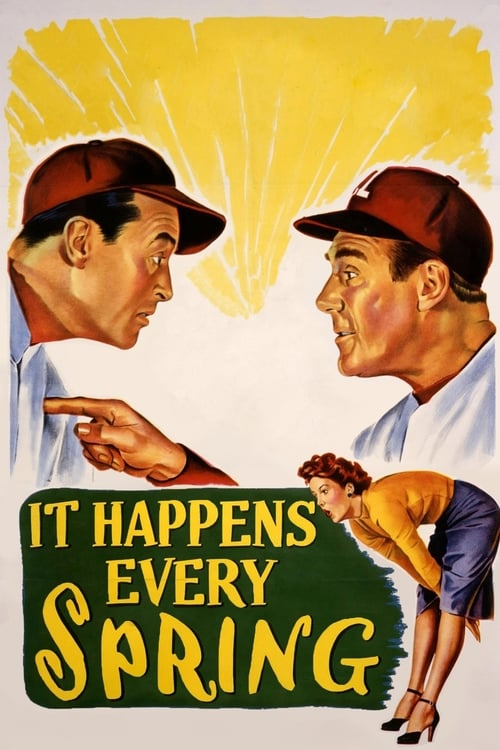
1949
No reviews yet. Be the first to share your thoughts on this movie!
Use the rating form above to leave a star rating and optional review.