
Dil
2003
No user ratings available yet
Representation score: 2.1 out of 10
Representation Score
Minimal
2005
Director
Murali Paruchuri
Runtime
150 minutes
Average Rating
No ratings yetNew Showbiz Analysis
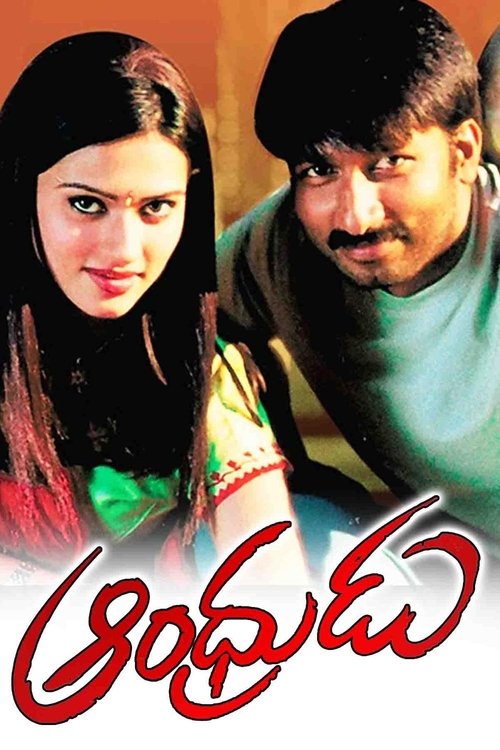
Andhrudu is a quintessential example of regional commercial cinema that relies on traditional storytelling archetypes. It finds its footing by exploring the friction between different Indian regional identities, specifically through the movement between Andhra and Bihar. However, the film's progressive impact is limited by its adherence to established gender hierarchies. The male hero serves as the primary driver of justice, while the female lead's role is secondary to the male-driven plot. Ultimately, the film reinforces conservative cultural frameworks. By focusing on family honor and individual vigilantism to solve systemic corruption, it prioritizes the restoration of traditional order over social deconstruction.
Category Breakdown
The film follows a traditional storyline focused on a heterosexual relationship between the male protagonist and the female lead, with no queer narratives present.
The narrative centers on a male protagonist who plays a significant role in driving the story. The female lead's role is largely reactive to the male characters, even though she is central to the emotional stakes.
The story explores regional identity by moving between Andhra and Bihar, adding layers of internal ethnic complexity to the narrative.
The plot prioritizes traditional social institutions like family honor and parental matchmaking. It focuses on restoring order through individual heroism rather than deconstructing social structures.
There is no discernible representation of physical, sensory, or neurodivergent disabilities. Characters are depicted through a lens of physical vitality and heroic capability.
Present on Screen
Limited or Absent
Official Synopsis
Surendra (T. Gopichand) is an honest and hot-blooded cop. Archana (Gowri Pandit) is the daughter of police commissioner. They meet accidentally and their relationship blossoms into love. Archana's father is of Bihar origin. Parents settle the match of Surendra and Archana. When they are about to get engaged, Surendra expresses his reservations due to Archana overhearing her father's conversation with his long estranged sister on the subject of Archana and Sinha marrying. Surendra takes the blame for the destroyed relationship and Archana goes back to Bihar to wed her cousin Sinha (Salim Baig). The rest of the story is all about how Surendra goes to Bihar and wins Archana back.
2003
2011

1992
2006
2004

1998

2003

2019
No reviews yet. Be the first to share your thoughts on this movie!
Use the rating form above to leave a star rating and optional review.