
Dil
2003
No user ratings available yet
Representation score: 2.1 out of 10
Representation Score
Fair
2004
Director
Hari
Runtime
160 minutes
Average Rating
No ratings yetNew Showbiz Analysis
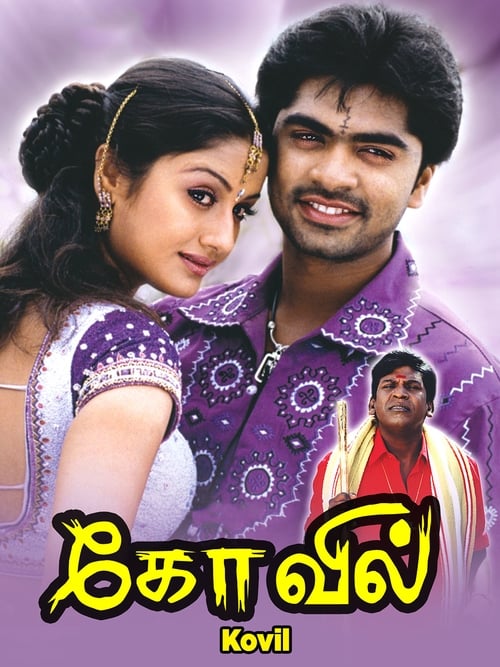
Kovil is a localized drama centered on the conflict between personal desires and rigid communal structures. The film's strength lies in its exploration of individual autonomy against the backdrop of village rivalries and patriarchal control. While it lacks modern frameworks for diverse identities or LGBTQ+ representation, it offers a meaningful look at how traditional institutions can limit personal freedom. The narrative tension is driven by the struggle to maintain autonomy against familial and religious coercion. Ultimately, the film serves as a study of the individual versus the collective, focusing on the volatility of social hierarchies rather than multicultural or diverse identity politics.
Category Breakdown
The film focuses on a traditional heterosexual relationship between Shaktivel and Angel. There are no queer narratives or non-straight relationships in the plot.
The story highlights the tension between personal autonomy and patriarchal control. Angel's fight against her father's coercive influence is central to the theme of gendered freedom.
As a Tamil production, the film features an ethnically uniform cast. It offers strong representation within a specific regional and non-Western cultural setting.
The narrative examines how religious institutions can be used to enforce social control. A father leverages a religious vocation to suppress his daughter's romantic choices.
There is no information available regarding the portrayal of physical or neurodivergent disabilities in this film.
Present on Screen
Limited or Absent
Official Synopsis
Shaktivel and Angel, who belong to rival villages, fall in love with each other. However, as Angel's father is unhappy with her choice of groom, he forces her to become a nun.
2003

2011
2005

2019

1992

2019

2007
2018
No reviews yet. Be the first to share your thoughts on this movie!
Use the rating form above to leave a star rating and optional review.