Amblin'
1968
No user ratings available yet
Representation score: 4.7 out of 10
Representation Score
Fair
1969
MDirector
Hall Bartlett
Runtime
93 minutes
Average Rating
No ratings yetNew Showbiz Analysis
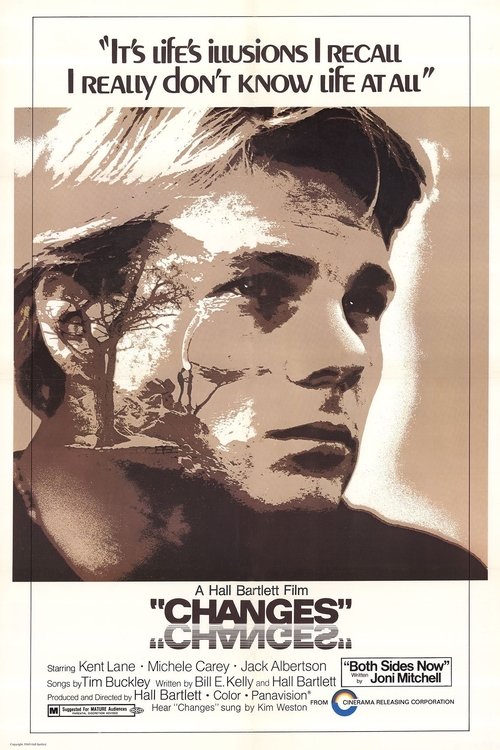
Changes stands out as a progressive exploration of identity through the lens of physical trauma. While it remains limited by the social norms of 1969 regarding race and sexuality, it offers a profound deconstruction of mid-century values. The film's greatest strength lies in its refusal to treat disability as a mere plot device. Instead, it uses the protagonist's loss of autonomy to challenge the era's obsession with productivity and professional utility. Ultimately, the film succeeds by shifting the focus from external social hierarchies to the internal struggle for meaning, providing a nuanced look at how physical limitations reshape one's place in the world.
Category Breakdown
The film does not include explicit LGBTQ+ characters or narratives. Romantic relationships are confined to the conventional heterosexual relationships typical of the late 1960s.
The film disrupts traditional masculine roles by redistributing domestic and emotional responsibilities, challenging the idea of men as dominant providers.
The cast appears predominantly homogeneous. The film focuses on the protagonist's internal psychological journey rather than using diverse casting to challenge societal norms.
The story critiques Western capitalist materialism by separating a person's value from their economic output. It emphasizes human connections over professional status and physical utility.
This film provides a significant portrayal where the protagonist's disability is not used as a source of pity. It explores the systemic challenges of navigating a world designed for able-bodied individuals.
Present on Screen
Limited or Absent
Official Synopsis
It's the late sixties, a time of peace signs, free love and revolution; and Kent like others of his generation, is looking for a meaning to his life. Driving alone along the Big Sur, he flashes back to difficult memories about college, drugs, family and relationships. The flashback over, Kent is back in his car, but he loses control and crashes over an embankment. Stunned and hurt, Kent starts hitchhiking, not caring which direction. He wanders aimlessly, taking rides from strangers, never making real contact. Then he meets Julie who intrigues him and they move in together. Kent still has to find himself and the meaning of his existence.
1968

1966
1970

1970

1965

1965

1968

1973
No reviews yet. Be the first to share your thoughts on this movie!
Use the rating form above to leave a star rating and optional review.