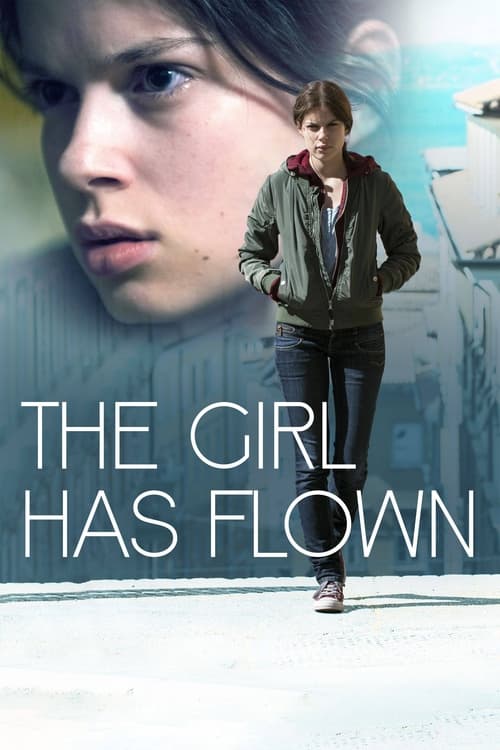
The Girl Has Flown
2021
No user ratings available yet
Diversity score: 5.9 out of 10

1981
Director
Miloš 'Miša' Radivojević
Runtime
106 minutes
Average Rating
No ratings yetSynopsis
A normal boy receives a blow to the head which sets him off to perform rebellious acts.
Overall Score
Fair
Category Breakdown
LGBTQ+ Representation
The story focuses on heteronormative romance between Slobodan and Maša. There is no explicit evidence of LGBTQ+ characters or non-cisnormative identities present.
Gender Representation
The film deconstructs the stable male archetype through Slobodan's descent into rebellion. Maša is portrayed as smart and beautiful, suggesting intellectual parity.
Racial & Ethnic Diversity
The narrative reflects the multi-ethnic fabric of Yugoslavia through a Serbian father and Slovenian mother. This family unit serves as a subtle model for ethnic integration.
Religious & Cultural Diversity
The film critiques the rigidity of the upper class and the state. It uses punk rock and the new wave scene to frame rebellion against established institutions.
Disability Representation
A head injury serves as the catalyst for the protagonist's behavioral shifts. However, the condition functions more as a plot device for rebellion than a nuanced exploration.
Strengths
Areas for Improvement
AI Analysis
The Promising Boy serves as a disruptive text within the Yugoslav New Wave movement. It focuses on the deconstruction of the 'exemplary' citizen and the pressures of high-status, institutionalized family structures. While the film lacks modern identity politics, it engages deeply with social friction. It uses the protagonist's psychological instability to critique the stability of the communist state and its rigid social norms. The narrative architecture prioritizes moral relativism and the rejection of state-sanctioned roles, making it a sophisticated critique of the status quo rather than a study of specific marginalized identities.
2021
1996

1973

2005
1974

1959
1977
1961
2019
2009

1988

1981
No reviews yet. Be the first to share your thoughts on this movie!
Use the rating form above to leave a star rating and optional review.