Fantastic Beasts: The Secrets of Dumbledore
2022
No user ratings available yet
Representation score: 6.8 out of 10
Representation Score
Good
2016
PG-13Director
David Yates
Runtime
133 minutes
Average Rating
No ratings yetNew Showbiz Analysis
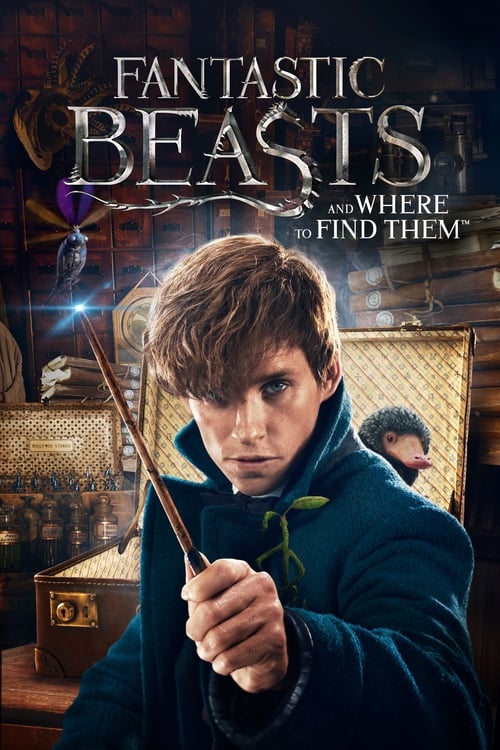
The film argues that empathy and cooperation between magical and non-magical people outweigh rigid institutional hierarchies. It positions the working-class, non-magical protagonist as morally superior to the elitist magical establishment. The narrative validates individual choice over tradition, specifically through Queenie’s relationship with a Muggle. The last moral word belongs to Tina Goldstein, who restores order through professional competence and fairness. The story treats the 1926 setting as a backdrop for exploring prejudice. It ultimately affirms the value of hard work and kindness over innate magical power.
Category Breakdown
No explicitly LGBTQ+ characters or same-sex romantic relationships appear on screen. The narrative focuses entirely on heterosexual pairings and professional dynamics. This absence leaves the category without any on-screen representation.
Tina Goldstein acts as a competent law enforcement lead who corrects male errors. Queenie holds a professional job and drives key plot points. The film depicts distinct class and magical hierarchy tensions within its 1926 setting.
Queenie is a Black Muggle-born witch who holds a professional job. Jacob Kowalski is a working-class man valued for his kindness. The film depicts distinct class and magical hierarchy tensions in 1926.
Religious institutions and faith-based moral frameworks are entirely absent from the narrative. The story treats the 1926 setting as a backdrop for exploring prejudice. It affirms the value of hard work and kindness over innate magical power.
No characters with lasting physical or cognitive disabilities appear in the cast. The narrative does not address disability experiences or accommodations. This absence leaves the category without on-screen representation.
Present on Screen
Limited or Absent
Official Synopsis
In 1926, Newt Scamander arrives at the Magical Congress of the United States of America with a magically expanded briefcase, which houses a number of dangerous creatures and their habitats. When the creatures escape from the briefcase, it sends the American wizarding authorities after Newt, and threatens to strain even further the state of magical and non-magical relations.
2022
1977

2018
2001

2016
1998

2010
2008
No reviews yet. Be the first to share your thoughts on this movie!
Use the rating form above to leave a star rating and optional review.