The Killer Shrews
1959
No user ratings available yet
Representation score: 2.2 out of 10
Representation Score
Minimal
1967
Director
Mel Welles
Runtime
88 minutes
Average Rating
No ratings yetNew Showbiz Analysis
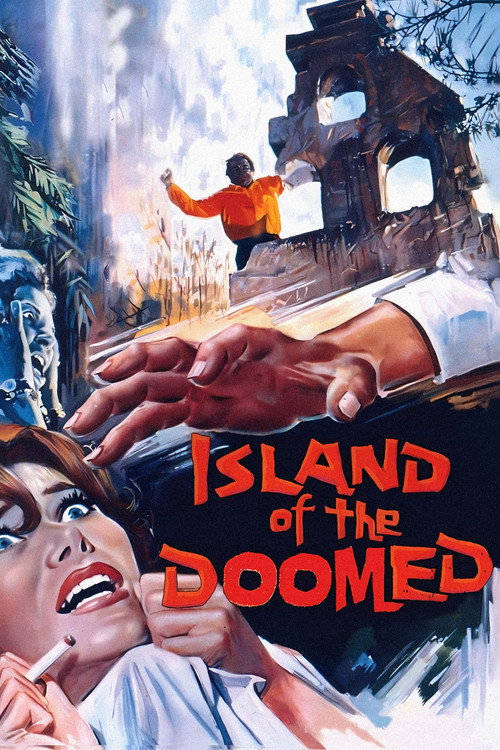
Island of the Doomed operates strictly within the conventional clichés of 1960s European horror. The film prioritizes genre-driven tension and established archetypes over any meaningful representation of diverse identities or social subversion. The narrative structure reinforces traditional hierarchies, particularly regarding gender and race. It functions as a standard exploration of isolation and mortality within a Western cinematic framework, offering little disruption to the social norms of its era.
Category Breakdown
There are no LGBTQ+ characters or subtext in the film. The narrative does not include any critiques of the assumption that everyone is straight or cisgender.
The story centers around a traditional masculine hierarchy focused on survival. Female characters such as Cora Robinson are depicted mainly as victims rather than having control over their own destinies.
The cast is predominantly white, reflecting the Eurocentric standards of 1960s genre cinema. There is no significant representation of non-white characters or use of metaphor for ethnic diversity.
The film explores social breakdown through survivalist horror without focusing on systemic critique. It does not emphasize secularism or moral relativism as progressive ideological tools.
A rare and incurable disease is mentioned, serving only as a plot device for character deaths. No characters with disabilities are given any real control over their situations.
Present on Screen
Limited or Absent
Official Synopsis
A group of tourists arrive to see the botanical gardens on a small island off the Italian coast. The only inhabitants of the island are the famous botanist Baron von Weser and his two faithful servants; all of the other residents fled after a series of mysterious deaths. When the car driven by the tourists' guide hits one of the baron's servants, von Weser explains that the death was due to a rare and incurable disease, not the accident. That night, the guide and Cora Robinson, one of the guests, are found murdered with all the blood drained from their bodies.
1959
1963
1964
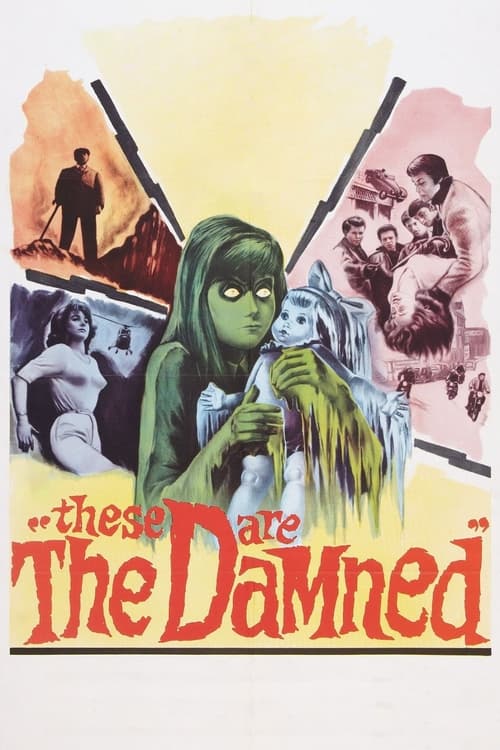
1962

1969
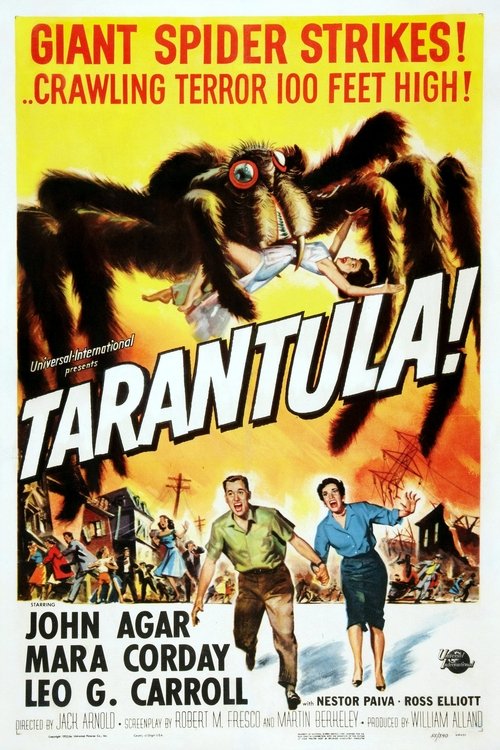
1955
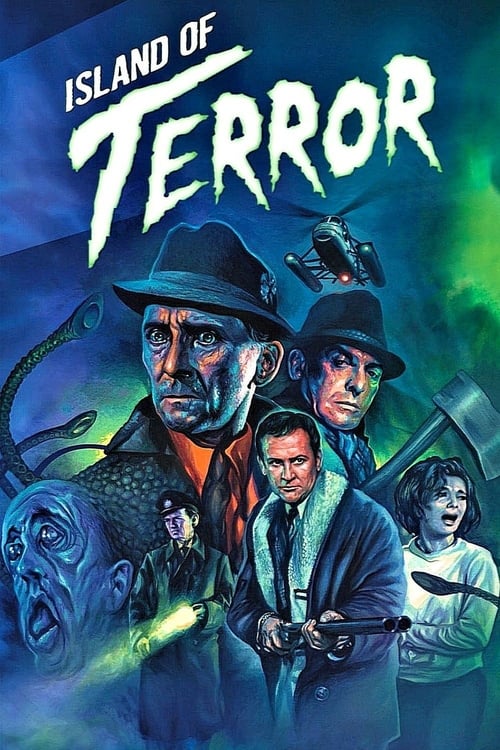
1966
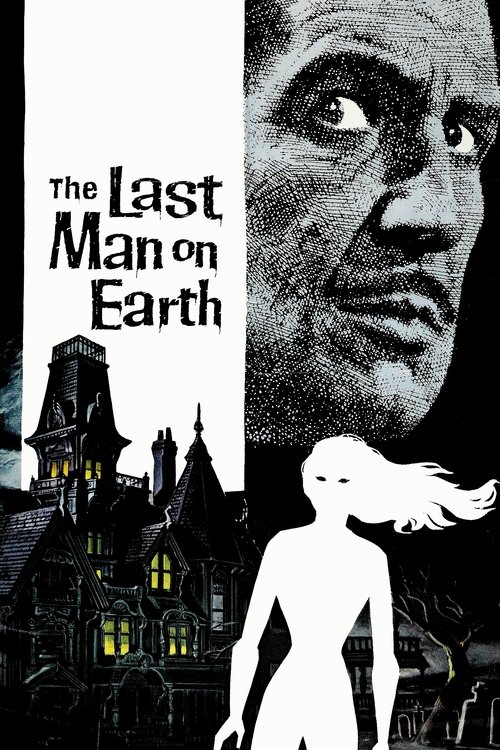
1964
No reviews yet. Be the first to share your thoughts on this movie!
Use the rating form above to leave a star rating and optional review.