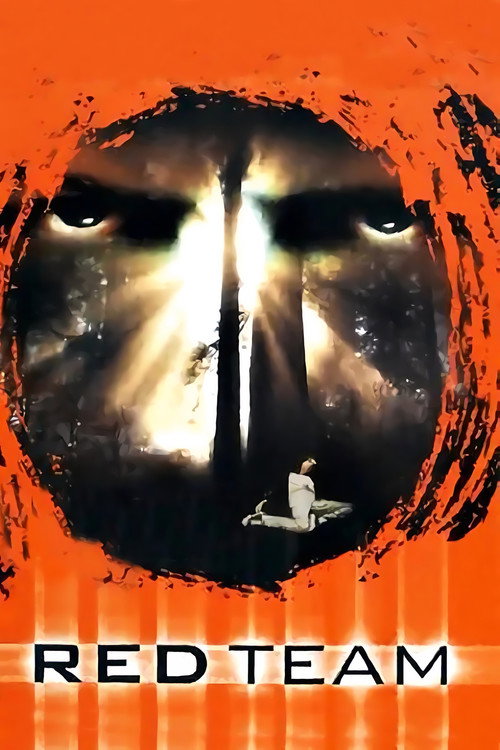
Red Team
1999
No user ratings available yet
Diversity score: 2.4 out of 10

1989
RDirector
Michael Crichton
Runtime
99 minutes
Average Rating
No ratings yetSynopsis
A police officer suspended and now accused of murder is forced to join forces with his court-appointed attorney to assemble the pieces of a deadly puzzle to find the missing link before time runs out.
Overall Score
Limited
Category Breakdown
LGBTQ+ Representation
The film centers on a heteronormative relationship between the protagonist and his attorney. There is no evidence of queer identities or non-cisnormative gender expressions.
Gender Representation
Jenny Hudson provides a degree of professional agency as a public defender. However, the plot remains driven by the male protagonist's personal struggles and alcoholism.
Racial & Ethnic Diversity
The cast appears predominantly white and Anglo-Saxon. The film lacks a diverse ensemble or any evidence of intentional racial diversity in its casting.
Religious & Cultural Diversity
The story focuses on individual dysfunction and legal fallibility rather than systemic critiques. It functions as a standard procedural centered on personal exoneration.
Disability Representation
The protagonist's alcohol-induced amnesia serves as a functional plot device for the mystery. It does not offer a character-driven exploration of neurodivergence or disability.
Strengths
Areas for Improvement
AI Analysis
Physical Evidence is a conventional 1980s crime thriller that prioritizes procedural mechanics over social commentary. While the film offers some professional agency to its female lead, it remains firmly rooted in the era's standard cinematic tropes. The narrative lacks intersectional depth, relying on a homogeneous cast and a heteronormative central dynamic. It treats character impairments, such as amnesia, as mere tools for the mystery rather than meaningful explorations of identity. Ultimately, the film reflects the era's focus on individualist struggle and linear storytelling, offering little in the way of systemic critique or diverse representation.
1999
1998

1970
2012
1992

2006
1997

2019

1984
2002
1998
2002
No reviews yet. Be the first to share your thoughts on this movie!
Use the rating form above to leave a star rating and optional review.