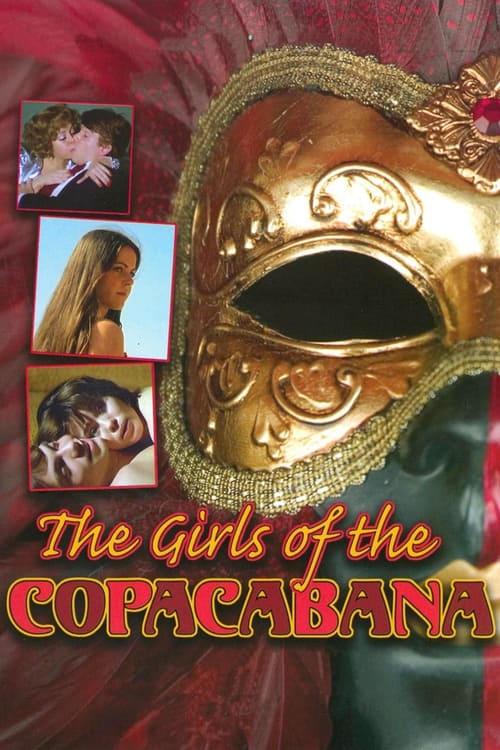
The Girls of the Copacabana
1981
No user ratings available yet
Representation score: 6.7 out of 10
Representation Score
Fair
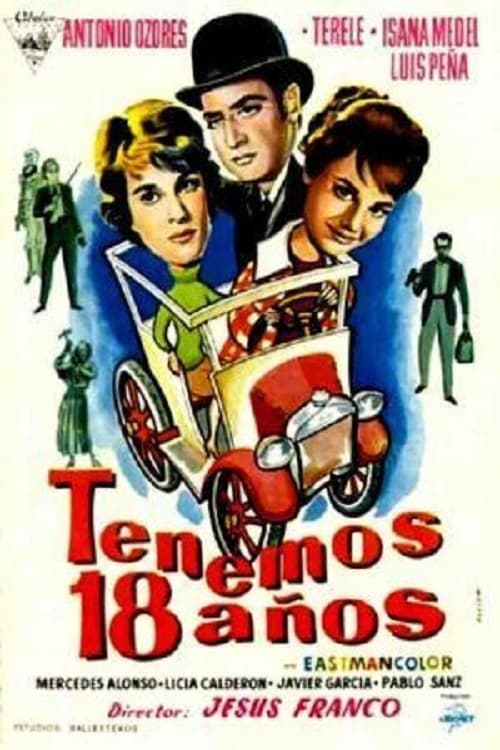
1959
Director
Jesús Franco
Runtime
78 minutes
Average Rating
No ratings yetNew Showbiz Analysis
Jesús Franco’s early work uses a surrealist approach to explore the ability to act of young women in a strange environment. By focusing on two young women navigating a bizarre world, the film moves away from the traditional, male-dominated narratives of the time. While the film shows promise in challenging social hierarchies, it lacks explicit complexity in addressing multiple aspects of identity. Its strength lies in its departure from conventional moral storytelling, yet it remains confined by the demographic and social limitations of its era.
Category Breakdown
The film doesn't show clear examples of non-straight relationships or same-sex intimacy. However, the surreal atmosphere and unusual interactions hint at challenging traditional romantic ideas.
Two female characters lead the story, acting as the main drivers of their own journey. This shifts away from the passive female roles often seen in 1950s movies.
The movie reflects the demographics of 1959 Spain, with a Mediterranean setting. There is no indication of significant racial mixing outside of this local context.
The surrealist style and focus on a holiday getaway suggest a move away from strict, state-imposed moral codes. The story emphasizes personal freedom and subjective morality.
There is no information about characters with visible or invisible disabilities.
Present on Screen
Limited or Absent
Official Synopsis
Comedy about the surreal holiday of two teenage Spanish girls, where they meet a bizarre assortment of villains and new friends.
1981

1969

1979
1980
1982

1966
1971

2015
No reviews yet. Be the first to share your thoughts on this movie!
Use the rating form above to leave a star rating and optional review.