
Wake Island
1942
No user ratings available yet
Representation score: 0.2 out of 10
Representation Score
Minimal
1944
PGDirector
Henry Hathaway
Runtime
97 minutes
Average Rating
No ratings yetNew Showbiz Analysis
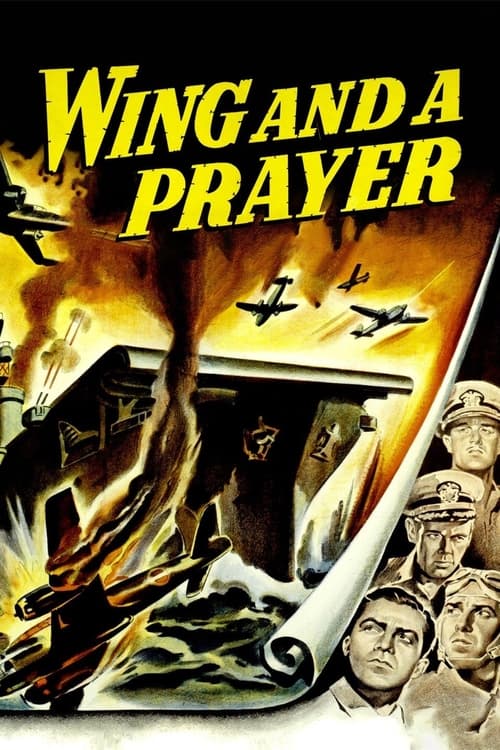
Wing and a Prayer is a wartime drama set in the 1940s, designed to boost national morale and strengthen institutional unity. It celebrates the virtues of duty, discipline, and effective military command, prioritizing the maintenance of traditional hierarchies. The film's structure reinforces the social norms of the era, emphasizing the sacrifice of individuals for the greater good and the moral clarity of the Allied cause. It upholds the dominant cultural and political frameworks of the time, highlighting a unified, homogeneous American identity through the lens of combat readiness and resilience.
Category Breakdown
The film follows the heterosexual norms typical of the 1940s era. There is no indication of characters with non-binary gender identities or same-sex relationships.
Men take the lead in military roles, while women play supporting roles focused on emotional support for the men.
The cast is mainly white and uniform, reflecting the historical context of the time. The story centers on a unified, Anglo-centric American identity.
The film highlights patriotic and pro-Western themes, emphasizing the importance of military hierarchy. It portrays Western institutions as inherently good and crucial to the Allied cause.
There are no representations of physical, sensory, or neurodivergent disabilities. Characters are defined by their peak physical condition needed for aerial combat.
Present on Screen
Limited or Absent
Official Synopsis
An aircraft carrier is sent on a decoy mission around the Pacific, with orders to avoid combat, thus lulling Japanese alertness before the battle of Midway.
1942
1949
1952
1945

1943
1976
2021
1955
No reviews yet. Be the first to share your thoughts on this movie!
Use the rating form above to leave a star rating and optional review.