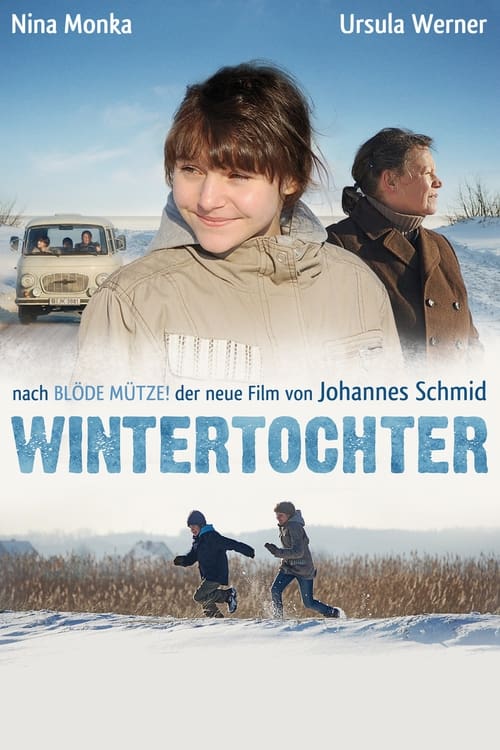
Winter's Daughter
2011
No user ratings available yet
Representation score: 5.4 out of 10

Representation Score
Good
2014
Director
Peter Gersina
Runtime
90 minutes
Average Rating
No ratings yetNew Showbiz Analysis
Letters from Santiago moves away from traditional family stories to explore identity through historical and political context. Using a journalistic lens, the film examines how systemic trauma and state-sponsored violence shape personal lineage. The narrative succeeds by emphasizing women's ability to drive the story and engaging with the complex socio-political history of Chile. It shifts from conventional domestic drama to a sophisticated exploration of global political upheavals and their impact on individuals. However, the film's focus remains primarily on a European protagonist's perspective. While it acknowledges Latin American history, the main narrative lens is through the journey of a German character.
Category Breakdown
The film does not explicitly depict non-straight relationships or queer dynamics. It maintains a neutral stance regarding LGBTQ+ identities.
Women play key roles in driving the story's intellectual and emotional momentum. The protagonist and her mother navigate complex geopolitical and personal landscapes.
The film centers on the victims of the Pinochet dictatorship, exploring Latin American complexities through a transnational setting. It delves into the legacies of systemic violence and political upheaval.
The film focuses on the intersection of individual identity and institutional corruption through the lens of Chilean socio-political history. It critiques historical political events rather than focusing on domestic stability.
There is no evidence of the portrayal of physical or neurodivergent disabilities in this production.
Present on Screen
Limited or Absent
Official Synopsis
One day before her 18th birthday, Laura Hellmer finds out by chance that her mother Katharina, a renowned political journalist, has lied to her for years: Laura's father was not a Spanish war photographer who died before she was born, but probably lives and is in Chile. Without further ado, Laura sets off for South America to find her true father. While she is in Santiago following in the footsteps of her mother, who once reported on the victims of the Pinochet dictatorship, Katharina travels to her daughter.
2011
1985

1991
1982

1993

2013
2017

2003
No reviews yet. Be the first to share your thoughts on this movie!
Use the rating form above to leave a star rating and optional review.