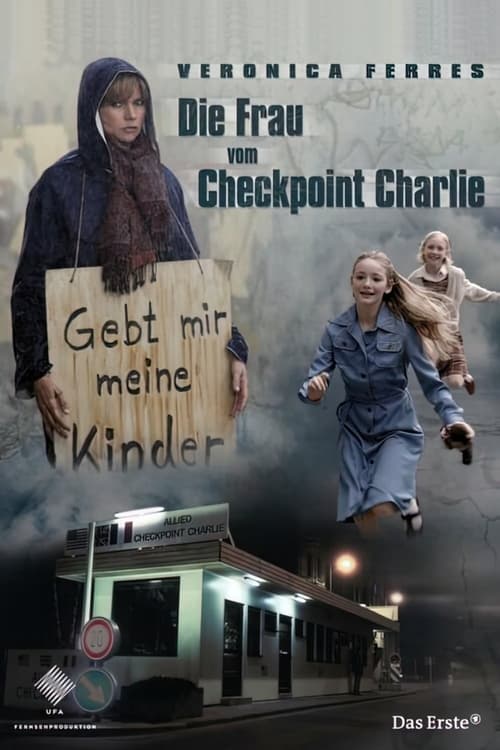
Die Frau vom Checkpoint Charlie
2007
No user ratings available yet
Representation score: 3.2 out of 10
Representation Score
Limited
1993
RDirector
Maximilian Schell
Runtime
88 minutes
Average Rating
No ratings yetNew Showbiz Analysis
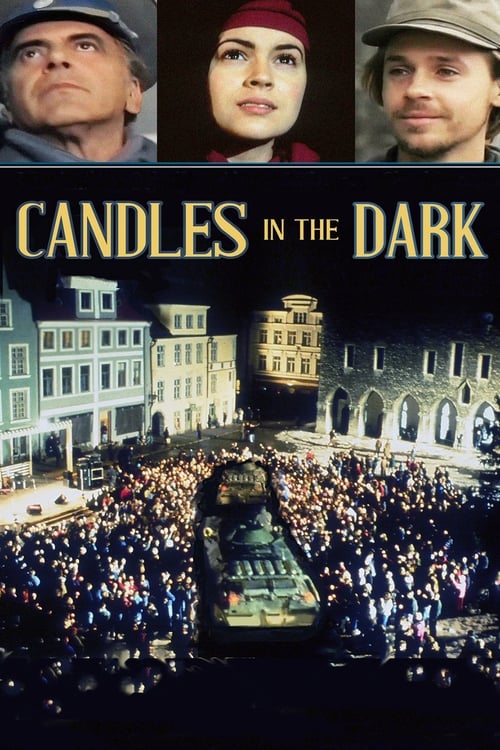
Candles in the Dark is a historical political drama set in Soviet-era Estonia, focusing on the conflict between dissidents and the KGB. The story revolves around a young woman involved in her father’s anti-Soviet activities. The narrative explores the tension between personal freedom and state oppression. While the film delves into themes of systemic corruption and resistance against authoritarianism, it does not provide clear evidence of diverse social representation. The story is primarily centered on political and historical themes rather than a broad spectrum of social identities. Overall, the film operates as a traditional historical drama. It challenges the dominant political structure but does not offer clear examples of progressive representation across various social groups.
Category Breakdown
The film does not include any characters with non-straight identities or experiences. There are no stories that address LGBTQ+ issues.
A female protagonist drives the story through a high-stakes political landscape. She takes a leading role in challenging the KGB, but the film does not clearly address gender hierarchies.
The Estonian setting highlights ethnic identity and national sovereignty. However, there are no detailed accounts of complex ethnic intersections or diverse casting.
The narrative criticizes the Soviet state as an oppressive force. It emphasizes individual truth over state ideology within a traditional historical context.
There is no information about the depiction of physically or neurodivergent characters in this work.
Present on Screen
Limited or Absent
Official Synopsis
Candles in the Dark is the story of a girl who comes to visit her father's homeland, the Soviet Republic of Estonia. After she arrives, she finds that her father is part of the dissident anti-soviet underground. She soon find her self engulfed in the struggle with her father and a lot of new friends, and finds herself being hunted by the KGB.
2007
1985
1995

1994
1979
1985
1999
2008
No reviews yet. Be the first to share your thoughts on this movie!
Use the rating form above to leave a star rating and optional review.