
SMS: Sotto Mentite Spoglie
2007
No user ratings available yet
Representation score: 2.5 out of 10
Representation Score
Fair
2001
Director
Giulio Manfredonia
Runtime
97 minutes
Average Rating
No ratings yetNew Showbiz Analysis
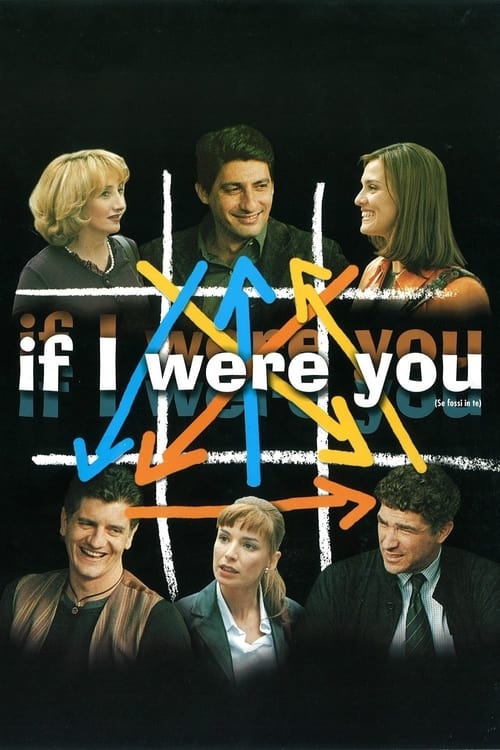
If I Were You is a political drama set in 1930s Italy, focusing on the critique of power structures and individual resistance against totalitarian regimes. The film prioritizes ideological critique over broad demographic representation. Its historical context limits the inclusion of diverse characters, resulting in a narrow focus on male political figures. Despite this, the film excels in its cultural critique of authoritarianism.
Category Breakdown
The film does not explicitly address LGBTQ+ identities or experiences. Instead, it focuses on political and psychological themes without highlighting any specific LGBTQ+ character arcs.
The story centers around male characters involved in political resistance and incarceration. Female characters are not prominently featured, and there are no strong female roles that challenge the patriarchal structure.
Set in 1930s Italy, the cast mainly consists of characters reflecting the demographics of that time. There is no significant representation of non-white individuals.
The film critiques centralized power structures by portraying the Fascist state as corrupt. It highlights the importance of personal conscience over state-imposed nationalism.
The story delves into the psychological impact of confinement and political oppression. However, it does not specifically explore neurodivergence or physical disabilities.
Present on Screen
Limited or Absent
2007

1991

2000

2004

2002

1999
2001

1999
No reviews yet. Be the first to share your thoughts on this movie!
Use the rating form above to leave a star rating and optional review.