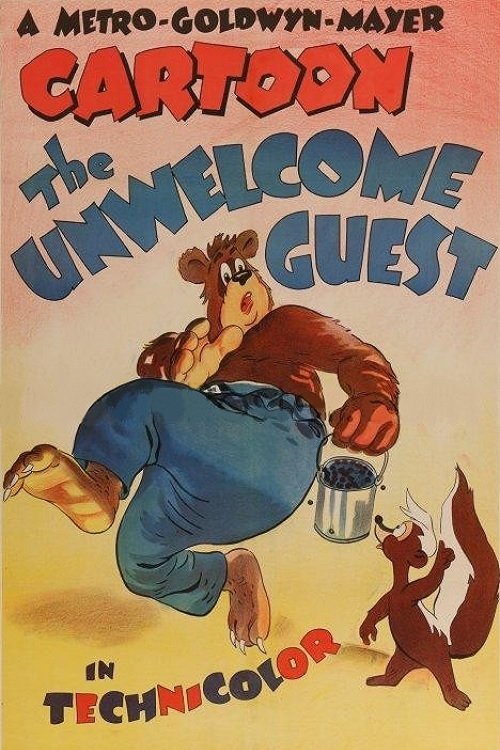
The Unwelcome Guest
1945
No user ratings available yet
Representation score: 1.6 out of 10
No Poster Available
Representation Score
Limited
1944
ApprovedDirector
George Gordon
Runtime
8 minutes
Average Rating
No ratings yetNew Showbiz Analysis
The Tree Surgeon is a conventional mid-century animated short that prioritizes situational comedy over social commentary. The narrative relies on anthropomorphic metaphors, such as a donkey caring for a giant sequoia, to drive its whimsical plot. Since the film adheres to the traditional studio-era animation conventions of 1944, it lacks intentional representation of diverse identities. The storytelling focuses on a standard fable structure rather than disrupting social hierarchies. Ultimately, the film serves as a simple comedic piece. It does not engage with themes of race, gender, or identity, reflecting the limited narrative scope of its era.
Category Breakdown
The film does not include any characters with LGBTQ+ identities or non-cisgender traits. The storyline revolves around physical humor featuring an anthropomorphic donkey.
The story focuses on a single male character who performs a specialized task. There is no evidence of female empowerment or subversion of traditional gender roles.
The narrative uses anthropomorphic animals to tell a fable-like story. Race or ethnicity are not addressed through these characters.
The film presents a whimsical world centered on nature and caretaking. It avoids critiquing Western institutions, favoring a traditional fable structure.
A giant sequoia tree is described as not feeling well, but this seems to be a metaphorical device. There is no meaningful depiction of disability.
Present on Screen
Limited or Absent
Official Synopsis
The tree surgeon (a donkey) races to the giant sequoia, which isn't feeling well. His techniques, though, seem better suited to treating a person.
1945
1944

1950
1951
1942
1969
1940
1939
No reviews yet. Be the first to share your thoughts on this movie!
Use the rating form above to leave a star rating and optional review.