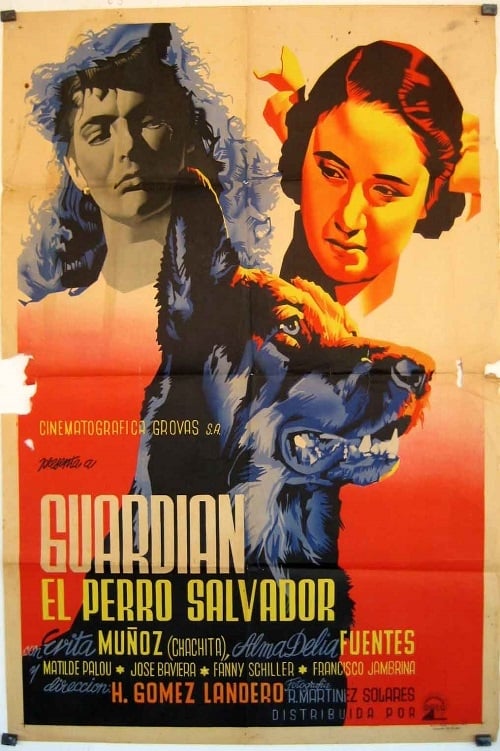
Guardián, el perro salvador
1950
No user ratings available yet
Representation score: 1.3 out of 10
Representation Score
Limited
1950
Director
Julián Soler
Runtime
85 minutes
Average Rating
No ratings yetNew Showbiz Analysis
Julián Soler’s comedy of manners captures the social dynamics of 1950s Mexico. It highlights the tension between the wealthy elite and provincial outsiders, reinforcing the social hierarchies of the time. While the film provides a platform for Mexican voices, it relies on well-established clichés. The narrative structure focuses on class-based humor rather than progressive or diverse representation. Ultimately, the film reflects the social norms of the mid-century era, emphasizing traditional domestic conflicts and class divisions over the subversion of gender or social roles.
Category Breakdown
The film does not include any LGBTQ+ identities. It follows traditional romantic and gender roles typical of 1950s Mexico.
A wealthy woman drives the plot, showing some level of financial influence. However, she is characterized as 'dizzy,' which reinforces stereotypical feminine traits.
The cast is mainly Mexican, reflecting the era's focus on national identity. The story emphasizes class differences between urban elites and rural outsiders, rather than exploring complex ethnic diversity.
The story centers on maintaining established social orders and class hierarchies. It focuses on domestic intrigues within a wealthy household, reinforcing traditional structures.
There is no depiction of physical or neurodivergent disabilities in this film.
Present on Screen
Limited or Absent
Official Synopsis
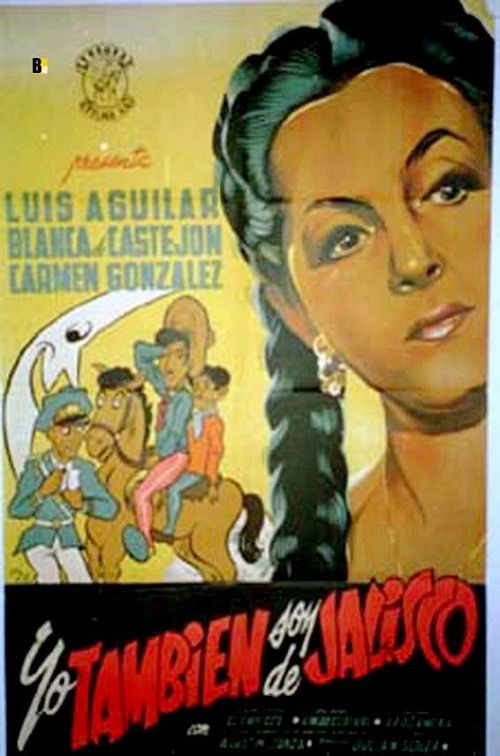
A dizzy rich woman buys their horse, and three rubes get involved in the problems and intrigues brewing in her household.
1950
1959
1949
1949
1951
1948
1944
1952
No reviews yet. Be the first to share your thoughts on this movie!
Use the rating form above to leave a star rating and optional review.