
The Way to Happiness
2022
No user ratings available yet
Representation score: 5.4 out of 10
Representation Score
Good
2021
Director
Rodrigo Cortés
Runtime
103 minutes
Average Rating
No ratings yetNew Showbiz Analysis
Love Gets a Room is a narrative of resistance that centers the ability to act of a underrepresented ethnic group. By framing the struggle for survival through the lens of musical comedy, the film challenges monolithic depictions of wartime trauma. The film's strength lies in its focus on ethnic identity and the use of art as a form of cultural preservation and resistance. This approach provides a meaningful critique of the systemic oppression faced by the Jewish community in the Warsaw Ghetto. However, the film lacks explicit details regarding gendered character arcs or non-assuming gender matches what was assigned at birth identities. The representation remains largely tied to the historical and ethnic context rather than specific individual identity explorations.
Category Breakdown
Set during the Holocaust, the film's backdrop in a Jewish enclave suspends traditional social norms. The staging of a musical comedy hints at potential non-traditional connections, but explicit queer identities are not confirmed.
In a high-stress survival scenario, women in the theatrical troupe likely demonstrate a significant role in driving the story through artistic resistance. However, specific character arcs are not detailed.
The film centers on a Jewish majority within the Warsaw Ghetto, highlighting the struggles of a underrepresented group facing systemic erasure. It grants high ability to act to the protagonists in their fight for survival.
By using art as a tool for survival, the film critiques oppressive political structures. It explores the tension between state-mandated order and communal expression, emphasizing humanistic morality over traditional wartime norms.
There is no specific evidence regarding the portrayal of physical or neurodivergent disabilities within the provided narrative details.
Present on Screen
Limited or Absent
Official Synopsis
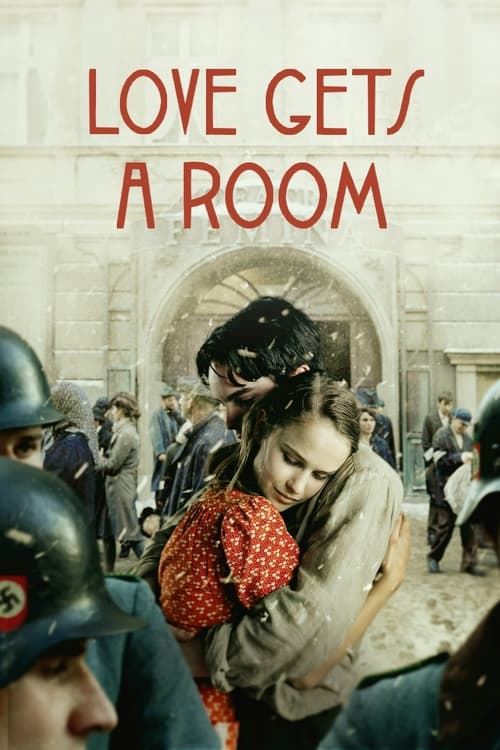
January 1942, in Nazi-occupied Poland during World War II. Thousands of Jews have been confined to the Warsaw ghetto for more than a year. Outside, life goes on; inside, they struggle to survive another day. Still, on a cold winter night, a group of Jewish actors manage to stage a lively musical comedy.
2022
1980
1992

2024
1985
1998

2007

1997
No reviews yet. Be the first to share your thoughts on this movie!
Use the rating form above to leave a star rating and optional review.