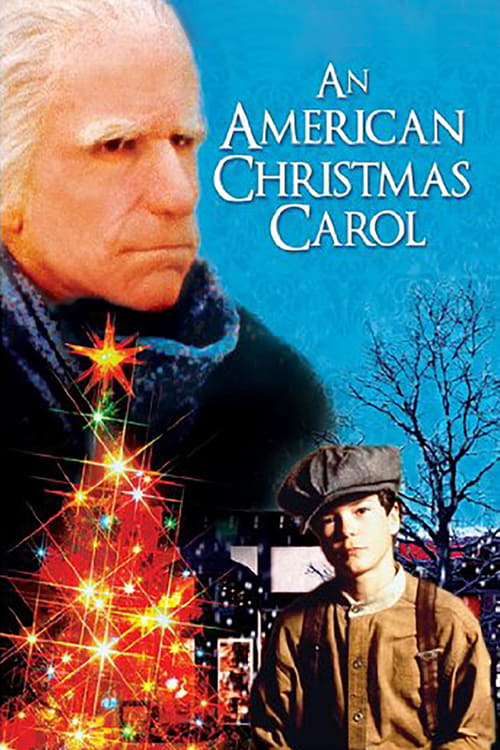
An American Christmas Carol
1979
No user ratings available yet
Representation score: 2.4 out of 10
Representation Score
Limited
1998
GDirector
Bruce Neibaur
Average Rating
No ratings yetNew Showbiz Analysis
This film is a traditional biographical drama centered on Charles Dickens' moral growth. It avoids modern social diversities such as LGBTQ+ representation or multi-ethnic casting, staying true to a conventional historical framework. However, the film finds progressive value in its thematic challenge to Victorian individualism. By shifting the protagonist's focus from personal success to advocating for the oppressed, the story questions established economic norms. Ultimately, the film's impact lies in its social awareness rather than demographic diversity. It replaces the typical success narrative with a collective moral focus.
Category Breakdown
The film doesn't include any representation of LGBTQ+ identities or non-binary gender roles. It follows the traditional social structures of the 19th century.
A young girl plays a crucial role in changing the main character's path. She has the power to influence his moral journey significantly.
The film focuses on an Anglo-Saxon historical figure and doesn't show signs of a diverse cast. Representation aligns with traditional historical portrayals of the time.
The story criticizes 19th-century capitalism by emphasizing empathy for societal issues. It portrays social justice as a moral progression for the main character.
The film does not feature any characters dealing with physical, neurological, or mental health conditions.
Present on Screen
Limited or Absent
Official Synopsis
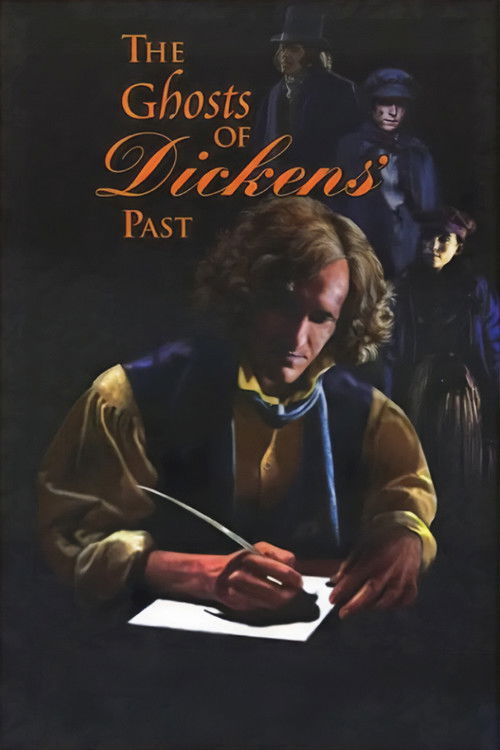
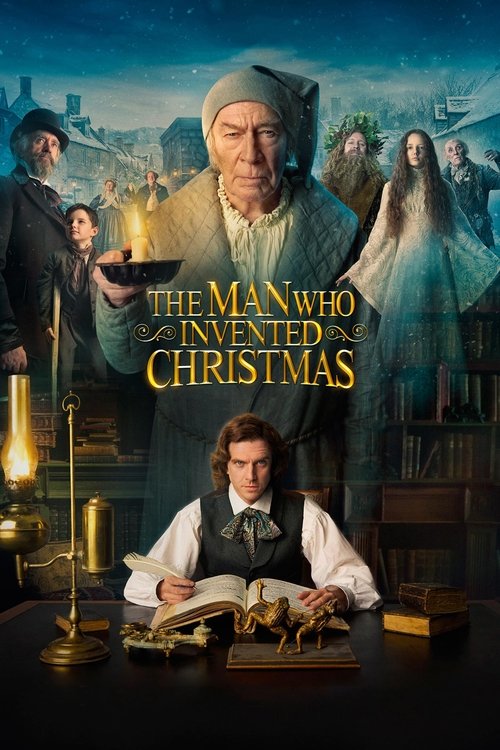
In the 19th century, young Charles Dickens is a promising young writer who is obsessed with material success in his career. His misguided priorities are soon challenged when he encounters a mysterious little girl. That girl takes Dickens on a strange and moving journey in which he is shown the future he could have if he doesn't change his ways and, more importantly, he is shown a better purpose for his writing as a way of speaking for the oppressed who need his help. It is these events and lessons that would inspire Dickens to write an extraordinary Christmas tale that would become his greatest work, A Christmas Carol.
1979
1938
2000

1999
2011
1991
2017
1984
No reviews yet. Be the first to share your thoughts on this movie!
Use the rating form above to leave a star rating and optional review.