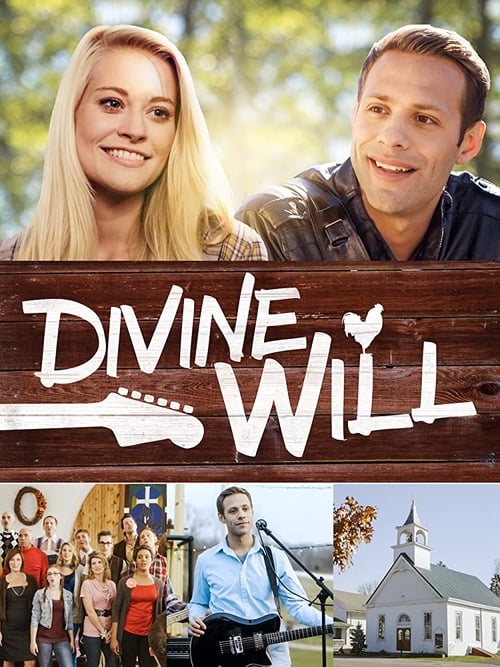
Divine Will
2017
No user ratings available yet
Representation score: 2.0 out of 10

Representation Score
Good
2000
Director
Natasha Arthy
Runtime
80 minutes
Average Rating
No ratings yetNew Showbiz Analysis
Miracle is a significant contribution to Black British independent cinema, using a musical, magical-realist framework to explore adolescence. It avoids sanitized portrayals of childhood, focusing instead on the tension between personal freedom and societal expectations. The film excels by centering Black voices and challenging traditional family structures. However, it lacks information about disability representation. Overall, it presents a sophisticated exploration of identity and social dynamics within an urban setting.
Category Breakdown
The film incorporates diverse sexual orientations and relationships, presenting them as natural components of the urban social landscape. Queer identity is woven into the personal journeys of the characters, reflecting a modern and inclusive perspective.
The film emphasizes the roles of women through their friendships and romantic relationships. It passes the Bechdel test by having conversations between female characters that drive the plot forward, rather than relying on male characters.
The story features a predominantly Black cast, highlighting the Black British experience in contemporary London. It offers a nuanced view of identity within a multicultural city, emphasizing the importance of diverse voices.
The film uses a magical-realist style to depict spiritual interventions with subjective complexity, avoiding rigid dogma. It portrays non-traditional family units, showing parents through a lens of neurosis and imperfection.
There is insufficient evidence regarding visible or invisible disabilities to provide a meaningful assessment of representation in this work.
Present on Screen
Limited or Absent
Official Synopsis
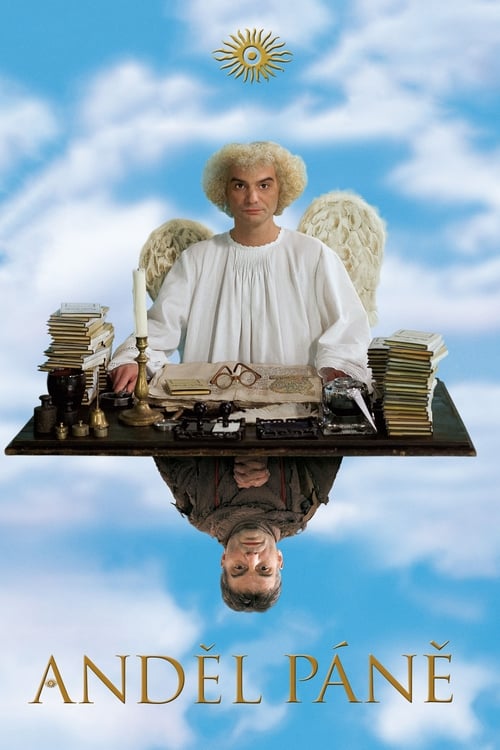
What do you do if you're twelve years old, your mum is a neurotic babbler, your best friend is hitting on the girl you love, and you're the only guy in your class who doesn't yet sport pubes ...? For Dennis P. there's only one way out - pray. In this musical adventure the miracle comes in the shape of an angel clone looking suspiciously like Dennis P.'s late father. The angel issues Dennis P. with a license to perform medium grade miracles, but there's a string attached - Dennis P. must stop using swearwords. Dennis P. throws himself into readjusting his existence. But one miracle leads to another, and the 'adjustments' lead to grotesque consequences.
2017

2002
2005

1999
1980

2022

2002

2012
No reviews yet. Be the first to share your thoughts on this movie!
Use the rating form above to leave a star rating and optional review.