Pettson and Findus
1999
No user ratings available yet
Representation score: 1.6 out of 10
Representation Score
Limited
1975
GDirector
Bill Feigenbaum, József Gémes
Runtime
91 minutes
Average Rating
No ratings yetNew Showbiz Analysis
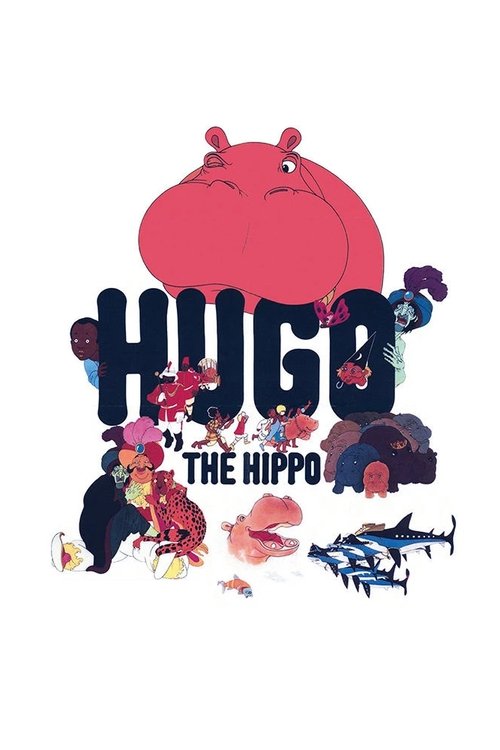
Hugo the Hippo serves as a traditional adventure story centered around classic conflicts. By using a Zanzibar-inspired setting, the film introduces a non-Western context, which deviates from the usual Western settings of its time. However, the narrative structure still adheres to traditional power dynamics between a ruler and his advisor. While the film offers a critical look at centralized power and institutional stability, it primarily functions as a cautionary tale about authority and systemic neglect rather than a diverse character study.
Category Breakdown
There are no visible representations of LGBTQ+ characters or non-cisgender identities in the film.
Leadership roles are filled by traditionally masculine-coded figures such as the Sultan and Aban-Khan. Female characters do not play a significant role in driving the story or challenging gender hierarchies.
The film sets its story in Zanzibar, providing a non-Western, Afro-Arab backdrop. This breaks away from the typical white-centric defaults of 1970s animation, although character development remains somewhat limited.
The plot highlights the flaws of centralized power and systemic issues. It examines how a ruler’s ineffective policies and strict authority can lead to societal unrest.
The narrative does not include any characters with visible or invisible disabilities.
Present on Screen
Limited or Absent
Official Synopsis
The Sultan of Zanzibar has a harbor infested with sharks, which makes it impossible for ships to trade with him. In an attempt to fix the problem, he brings twelve hippos into the harbor to keep the sharks away. His idea works well enough, but once the hippos are no longer a novelty and the people no longer feed them, they begin to starve. After the hungry hippos rampage through the city looking for food, Aban-Khan, the king's adviser, slaughters all the hippos except one, a little hippo named Hugo.
1999
1993
1968
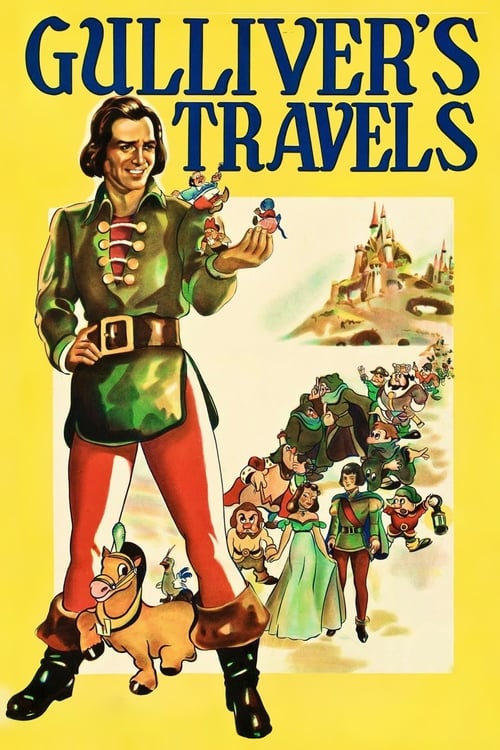
1939
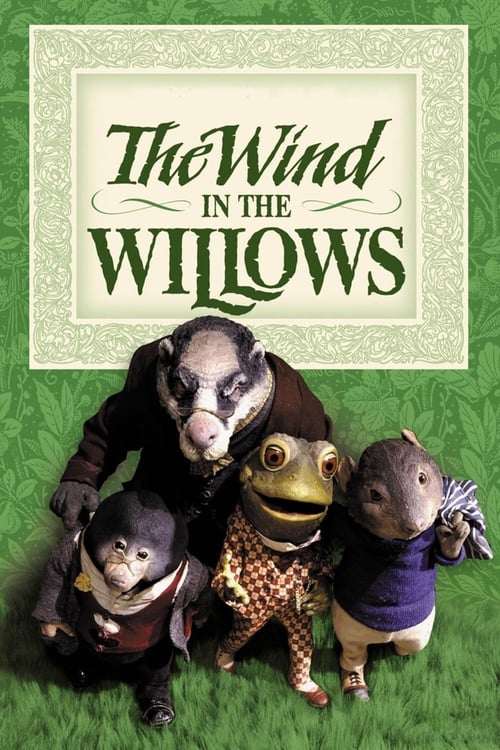
1983
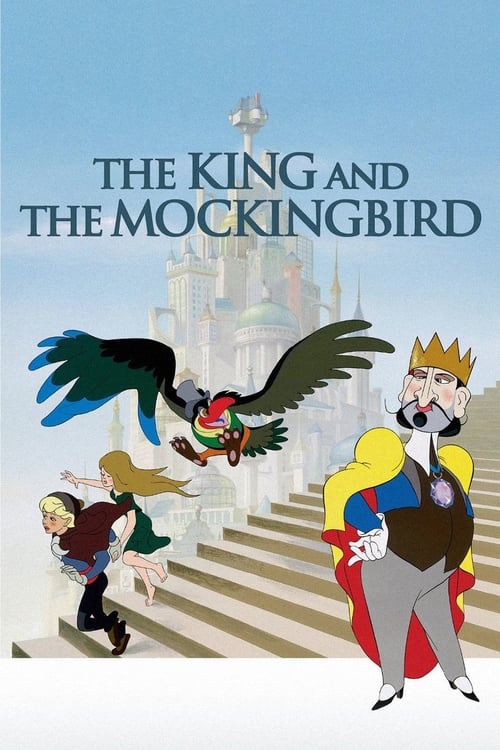
1980
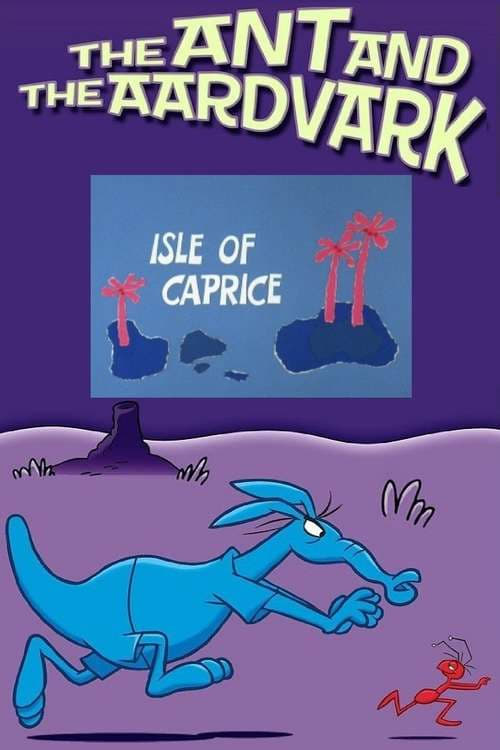
1969
2007
No reviews yet. Be the first to share your thoughts on this movie!
Use the rating form above to leave a star rating and optional review.