
Awaken
2021
No user ratings available yet
Representation score: 3.4 out of 10

Representation Score
Excellent
1991
Director
Godfrey Reggio
Runtime
29 minutes
Average Rating
No ratings yetNew Showbiz Analysis
Anima Mundi offers a unique approach to representation by shifting away from an anthropocentric perspective. Rather than focusing on individual identity politics, it operates on a systemic level to challenge human-centric hierarchies. The film emphasizes ecological processes and rhythms, presenting observational footage that prioritizes the natural world over traditional character-driven narratives. While it lacks specific demographic character studies, it promotes a global interconnectedness that transcends nationalist frameworks. The film's philosophical framework celebrates the interconnectedness of the planet, offering a macro-level observation of the natural world without relying on human-led storytelling.
Category Breakdown
The film focuses solely on biological processes and natural landscapes, avoiding any human characters or interpersonal relationships. It steers clear of narratives centered around human interactions and relationships.
By excluding human actors, the film disrupts traditional gender roles and hierarchies. The absence of gendered social performances creates a fluid, non-binary experience of nature.
The film presents biological life across various regions, using a globalist perspective to highlight pluralism and diversity. It avoids Western-centric models by emphasizing biological diversity.
The work promotes a holistic, secular view of the planet as an interconnected organism. This approach challenges the dominance of singular religious or nationalist perspectives.
The film focuses on macro-biological functions rather than individual human experiences. It does not include human subjects capable of representing physical or neurodivergent identities.
Present on Screen
Limited or Absent
Official Synopsis
Image and music are intertwined in this third collaboration between director Godfrey Reggio and composer Philip Glass. The film was produced to celebrate the World Wildlife Fund's Biological Diversity Campaign. The film combines images of nature with pulsing rhythms in a Microcosmos (1996) meets Koyaanisqatsi (1983) spectacle.
2021
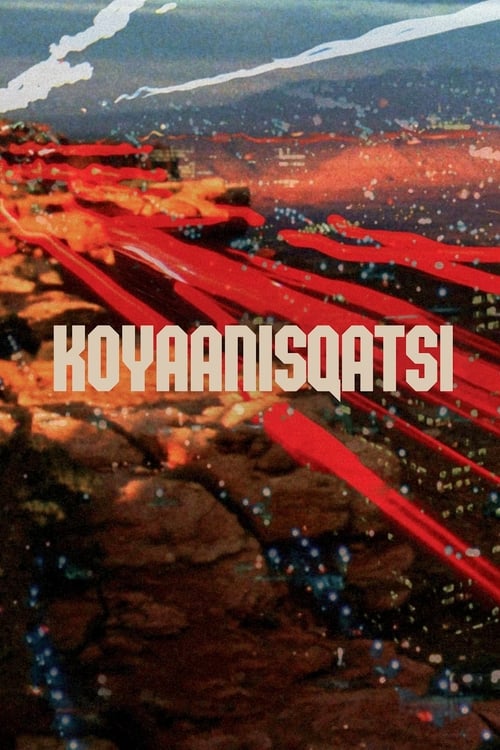
1983
2020
2002
2007
1992
2013
2017
No reviews yet. Be the first to share your thoughts on this movie!
Use the rating form above to leave a star rating and optional review.