
Thug Love
2009
No user ratings available yet
Representation score: 7.6 out of 10

Representation Score
Good
2007
Director
Maria Schrader
Runtime
113 minutes
Average Rating
No ratings yetNew Showbiz Analysis
Maria Schrader’s film is a sophisticated character study that prioritizes the deconstruction of gendered power dynamics. By focusing on the internal landscape of female desire, the film successfully challenges traditional romantic archetypes and the male gaze. However, the production maintains a homogeneous demographic profile. The lack of racial, ethnic, and LGBTQ+ representation limits the film's breadth of social inclusion, keeping the narrative centered within a specific European middle-class context. Ultimately, the film's strength lies in its narrative architecture and its emphasis on individual autonomy. It trades broad demographic variety for a deep, psychological exploration of female subjectivity and situational ethics.
Category Breakdown
The film primarily focuses on straight relationships and does not include explicit queer character arcs or non-cisgender identities.
The film centers the female protagonist's perspective and role. It challenges traditional gender hierarchies, emphasizing female autonomy and self-discovery.
The cast and setting reflect a predominantly white, European urban demographic. The film does not engage with racial or ethnic diversity.
The story favors subjective emotional truths over traditional moralities. Its non-linear structure avoids didacticism, presenting human connection as complex and morally ambiguous.
There is no significant presence of characters with visible or invisible disabilities. The characters inhabit a standard physical and socioeconomic baseline throughout the film.
Present on Screen
Limited or Absent
Official Synopsis
A married young academic falls under the sexual thrall of a much older man whose air of jaded ennui conceals a secret desire for vengeance.
2009

2000

2003

1989

2007

2008

1991
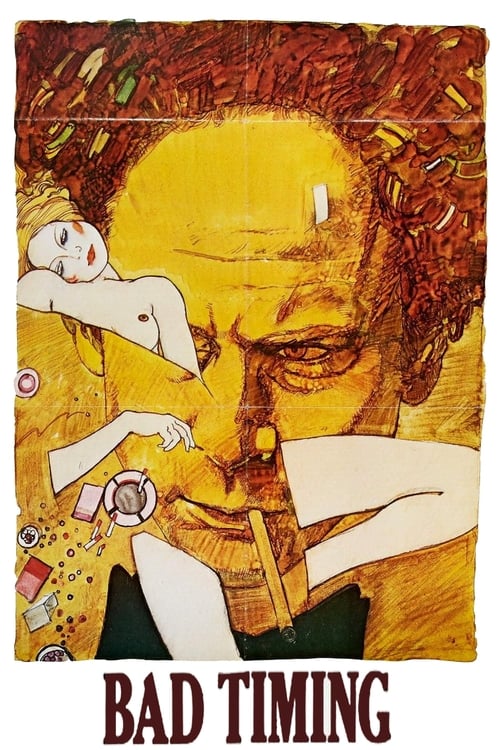
1980
No reviews yet. Be the first to share your thoughts on this movie!
Use the rating form above to leave a star rating and optional review.