
Truce
2010
No user ratings available yet
Representation score: 4.7 out of 10
Representation Score
Fair
2000
Director
Bill Morrison
Runtime
23 minutes
Average Rating
No ratings yetNew Showbiz Analysis
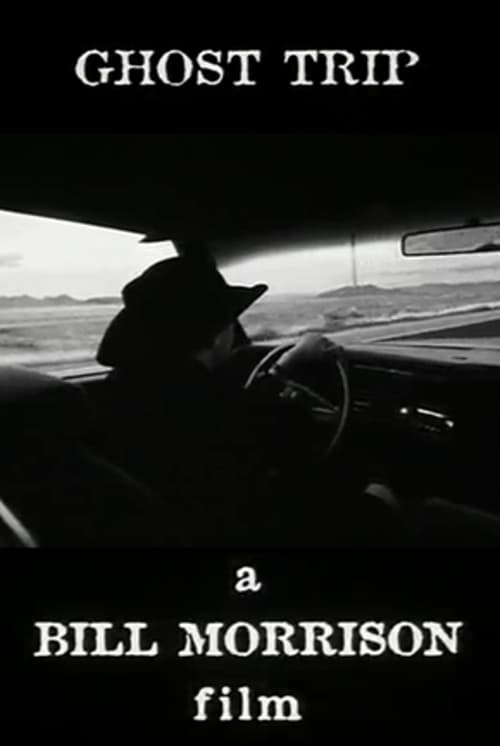
Ghost Trip is an experimental, avant-garde piece that prioritizes atmospheric texture over conventional social commentary. Its primary contribution to diversity is formalist, disrupting mainstream cinematic expectations by stripping away typical markers of social identity. While the film avoids reinforcing traditional Western hierarchies through its existentialist framework, it lacks explicit characters who reflect more than one aspect of diversity. The focus remains on a singular, minimalist journey rather than a diverse ensemble. Ultimately, the work functions as a study of Limbo rather than a character-driven exploration of identity, resulting in a score that reflects stylistic abstraction rather than active representation.
Category Breakdown
The film does not explicitly show same-sex relationships or non-binary gender identities. However, its rejection of clear narrative structure disrupts traditional road movie themes through stylistic ambiguity.
The story centers on a male driver and a hitchhiker, avoiding traditional domestic roles. It sidesteps masculine authority by presenting the protagonist in a state of existential drift.
The narrative focuses on a singular, stylized journey across America. There is insufficient evidence of a diverse cast, suggesting a lack of overt multi-layered breadth in the character work.
The film critiques the American Dream by reimagining the open road as a state of Limbo. It prioritizes secular, existential inquiry over established social or religious institutions.
There is no discernible mention of characters navigating physical or neurodivergent disabilities within the narrative.
Present on Screen
Limited or Absent
Official Synopsis
Singer-songwriter Slink Moss plays the mysterious driver of a Cadillac hearse who journeys across America to pick up and drop off a hitchhiker to his (final?) destination. The nearly-wordless film stylishly re-imagines the open road as a state of Limbo.
2010
1976
1970
2002
2001
1994
2010
2007
No reviews yet. Be the first to share your thoughts on this movie!
Use the rating form above to leave a star rating and optional review.