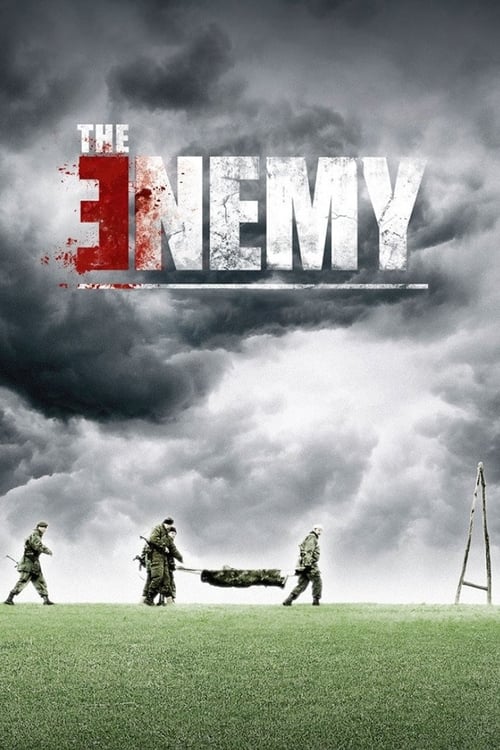
The Enemy
2011
No user ratings available yet
Representation score: 2.1 out of 10

Representation Score
Fair
2017
PG-13Director
Scout Tafoya
Runtime
76 minutes
Average Rating
No ratings yetNew Showbiz Analysis
Scout Tafoya’s film is a sophisticated piece of speculative cinema that avoids easy resolutions to the trauma of war. It uses a surrealist structure to explore the instability of truth and the complexity of grief. The film disrupts conventional clichés of heroism by focusing on a liminal space governed by cruel logic. This approach allows for a nuanced, existentialist exploration of a society's systemic aftermath. While the film offers a progressive thematic framework, it lacks specific character-driven data to confirm explicit representation in several key categories. The narrative relies more on atmospheric and metaphysical abstraction than on overt identity politics.
Category Breakdown
The film focuses on the collective trauma and metaphysical geography after a war. There are no specific LGBTQ+ character arcs or representations of non-cisgender identities.
The story emphasizes individual quests for existential truth rather than traditional patriarchal roles. However, the subversion of gendered power dynamics remains subtle and not explicitly addressed.
The film sets its story in an unnamed country, allowing for a universal exploration of conflict. This abstraction avoids Western dominance by focusing on the systemic impact of factional violence.
The narrative centers on secular, metaphysical questions rather than established religious or state structures. It critiques official histories by highlighting the unaccounted victims of war.
The film does not provide any specific information about characters with physical, neurodivergent, or mental health disabilities.
Present on Screen
Limited or Absent
Official Synopsis
Not long ago the people of an unnamed country were involved in a civil war. After the armistice, both sides noticed hundreds of bodies unaccounted for. Looking through their land, there was discovered a place where men would vanish from sight. Those who returned spoke of a zone governed by cruel logic. This place, dubbed The Ulterior, was closed off and a guard was placed at its entry. The curious have found their way to its borders believing it holds healing properties and that it can reunite the living and the dead.
2011
2019
2019

2010

2011
2011

2022
2014
No reviews yet. Be the first to share your thoughts on this movie!
Use the rating form above to leave a star rating and optional review.