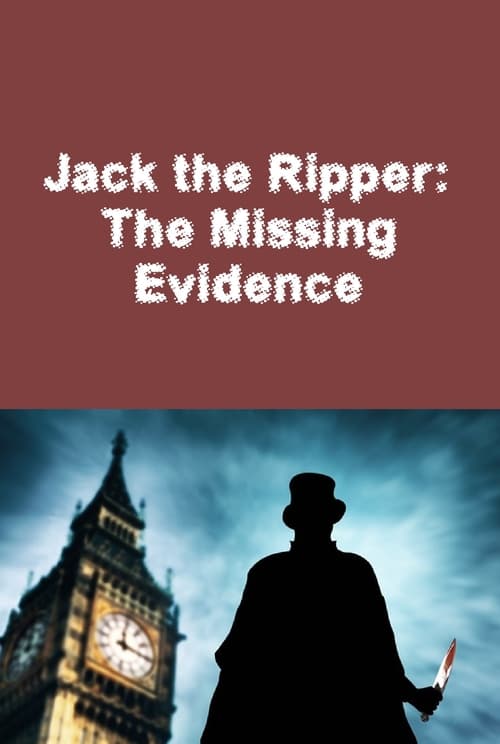
Jack the Ripper: The Missing Evidence
2014
No user ratings available yet
Representation score: 1.0 out of 10

Representation Score
Minimal
1995
TV-14Runtime
45 minutes
Average Rating
No ratings yetNew Showbiz Analysis
This documentary prioritizes forensic inquiry and archival authenticity over social commentary. The narrative structure follows a traditional true-crime framework, focusing on the mechanics of the 1888 Whitechapel murders. Authority and control are almost exclusively held by male investigators and criminologists. Women are relegated to passive roles as victims rather than active participants in the historical narrative. The film captures the atmosphere of Victorian poverty but does not use this setting to challenge historical norms. It functions as a standard retrospective of a historical event.
Category Breakdown
The film focuses on Victorian investigative procedures and the victims. There is no mention of non-binary gender identities or narratives that challenge the assumption that everyone is straight or cisgender.
Men play key roles as investigators and criminologists. Women are primarily portrayed as victims, reinforcing the idea that they have little control over what happens to them.
The production reflects the predominantly white demographic of the era's social strata in Whitechapel. There is no evidence of casting actors from diverse backgrounds or disrupting the Anglo-Saxon focus.
The film operates within a traditional Western historical framework. It depicts the socioeconomic divides of the time but does not explicitly critique the era's social or religious institutions.
There is no evidence of neurodivergent characters or individuals with physical disabilities actively participating in the narrative.
Present on Screen
Limited or Absent
Official Synopsis
In the annals of crime, perhaps no name evokes terror more than that Jack the Ripper. Although this anonymous killer committed his gruesome murders more than a century ago, his name lives on. This program goes to England to investigate the murder of five women, which took place in 1888 and have gripped the collective psyche ever since. Most frightening of all is the fact that murderer was never caught, or even identified. Criminologists present their theories on the identity of the infamous killer. Never-before-released photographs graphically display the vicious work of Jack the Ripper's knife
2014
2004

2013
1988

2000
2016

2016

2014
No reviews yet. Be the first to share your thoughts on this movie!
Use the rating form above to leave a star rating and optional review.