
Curados de espantos
1991
No user ratings available yet
Diversity score: 3.2 out of 10
1971
Director
Patrice Leconte
Runtime
11 minutes
Average Rating
No ratings yetSynopsis
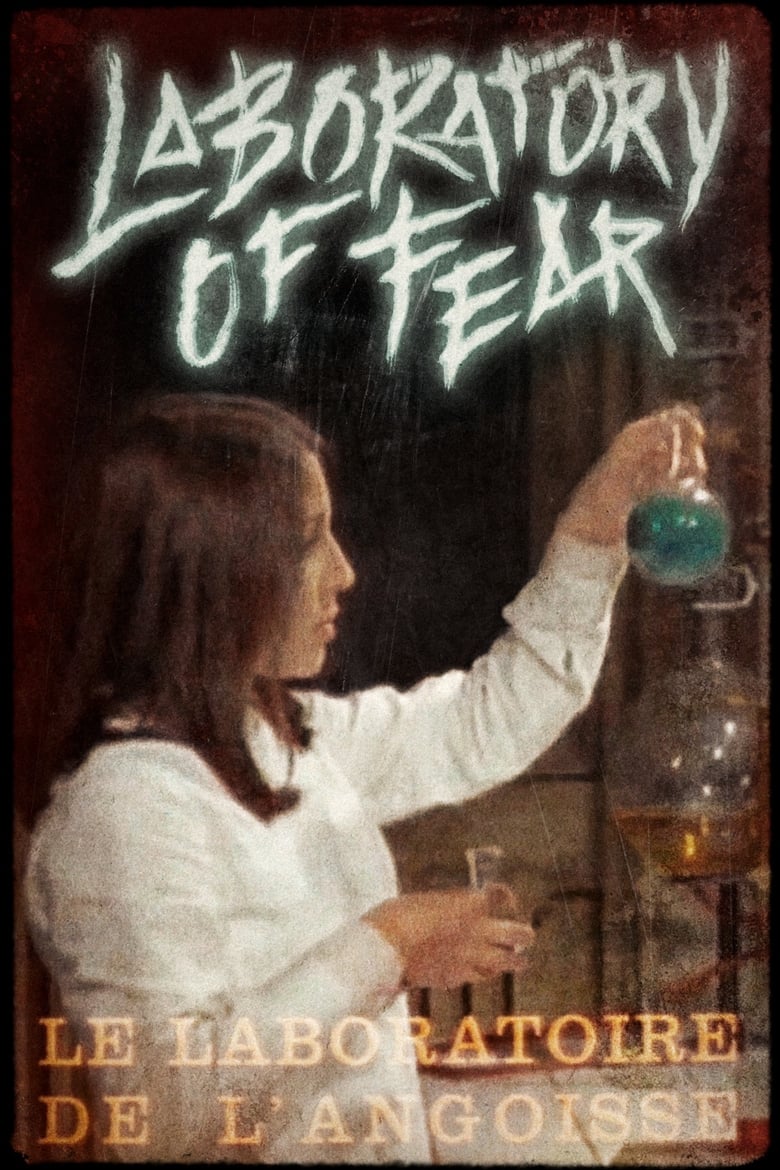
All the researchers of the IMPS laboratory are males - with one exception : Mademoiselle Clara, Antoine, the cleaner, desperately yearns for. Night after night, when Clara is alone, going on with her experiments, the young man awkwardly manoeuvres with a view to declaring his flame. But the cold scientist remains unconcerned. In his trouble, Antoine regularly drops and breaks phials and other test tubes full of dangerous chemical products. He doesn't care when his skin gets into contact with acid. His heart burns too much for him to be able to feel the burning of his skin. And if he can't GIVE his hand to Clara will he really mind to... LOSE it ?
Overall Score
Limited
Category Breakdown
LGBTQ+ Representation
The film lacks LGBTQ+ characters or non-heteronormative identities. The central tension relies on a traditional, dysfunctional heterosexual pursuit.
Gender Representation
Mademoiselle Clara subverts tropes by acting as a cold, intellectually authoritative scientist. Antoine provides a counterpoint through his incompetence and emotional volatility.
Racial & Ethnic Diversity
The cast appears homogeneous, reflecting the typical European short cinema of the early 1970s. There is no evidence of racial diversity within the laboratory.
Religious & Cultural Diversity
The setting prioritizes secular, empirical scientific pursuits over religious frameworks. The narrative focuses on psychological obsession rather than traditional social or moral stability.
Disability Representation
Physical injuries from chemical exposure serve as dark comedic plot devices. These moments illustrate the protagonist's emotional state rather than offering nuanced disability representation.
Strengths
Areas for Improvement
AI Analysis
The film finds its strength in subverting gendered competence. By positioning a woman as the intellectual authority and a man as the clumsy, emotionally driven subordinate, it deconstructs traditional masculine agency. However, the work lacks intersectional breadth. The absence of racial diversity and LGBTQ+ representation keeps the overall score low, as the narrative focuses narrowly on romantic tropes. Ultimately, the film is a concentrated study of gendered power dynamics within a scientific setting, though it remains limited in its broader social scope.
1991

2015
1986

2002
1979

2009

1986

2004

1991

1983

1979
2010
No reviews yet. Be the first to share your thoughts on this movie!
Use the rating form above to leave a star rating and optional review.