
Guinea Pig Part 4: Devil Doctor Woman
1986
No user ratings available yet
Representation score: 6.7 out of 10
Representation Score
Limited
1986
Director
Masayuki Kusumi
Runtime
41 minutes
Average Rating
No ratings yetNew Showbiz Analysis
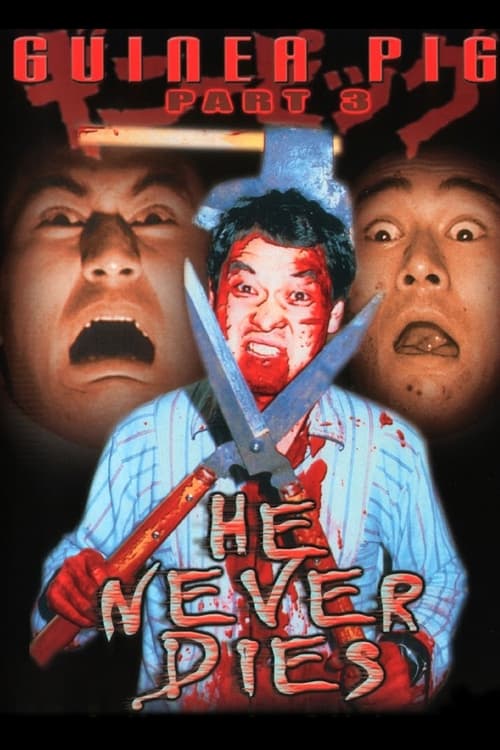
Guinea Pig Part 3: He Never Dies is a specialized work of genre cinema that prioritizes visceral extremity over social representation. Its narrative focuses on the deconstruction of the human body and the rejection of mortality rather than exploring diverse identities. The film provides a notable critique of the hyper-conformist Japanese corporate structure. By portraying a salaryman who breaks the social contract, it offers a dark commentary on traditional social stability. However, the film remains narrow in its scope, lacking intentional representation of gender, race, or identity politics.
Category Breakdown
The film does not include any LGBTQ+ characters or explore non-traditional gender identities. It focuses solely on the male protagonist’s physical endurance and trauma.
The story centers on masculine physical endurance and violence through a male salaryman character. It does not challenge traditional gender roles, maintaining a male-dominated perspective.
Set in a Japanese urban environment, the film features a predominantly homogeneous Japanese cast. It does not incorporate diverse casting or non-Western cultural references.
The film critiques the rigid Japanese corporate system by showing a salaryman rejecting social norms. It portrays the chaos of breaking societal rules as a form of liberation.
The film explores extreme physical trauma and the subversion of biological limits through body horror. It does not address disability through the lens of lived experience.
Present on Screen
Limited or Absent
Official Synopsis
Hideshi, a bored salaryman with no friends, would love nothing more than to die. But when his suicide attempt doesn’t take, he settles for terrorizing a judgmental coworker with his newfound immortality.
1986

1964

2018

2002

2004

1959

1995

1968
No reviews yet. Be the first to share your thoughts on this movie!
Use the rating form above to leave a star rating and optional review.