
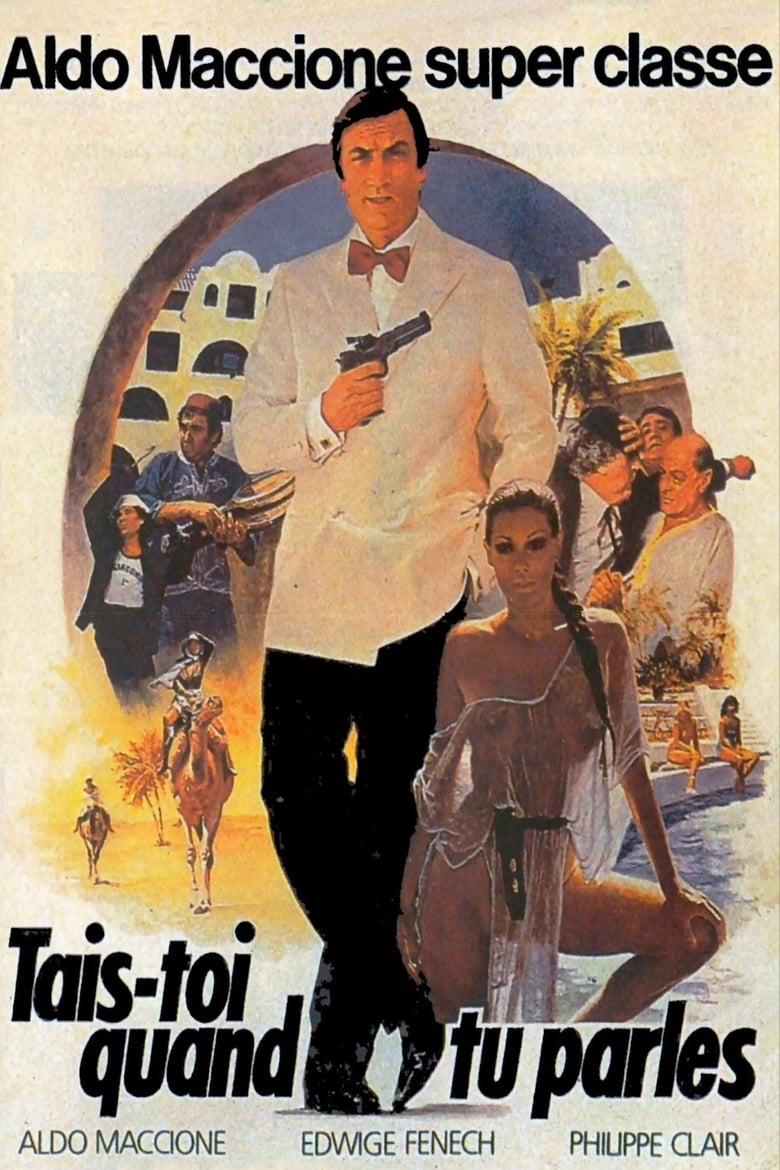
Par où t'es rentré? On t'a pas vu sortir
1984
No user ratings available yet
Diversity score: 3.9 out of 10
1981
Director
Philippe Clair
Runtime
89 minutes
Average Rating
No ratings yetSynopsis
Giacomo has an idol: James Bond. When he dreams, he dreams of himself, his fabulous adventures, especially in Tunisia, and a beautiful wife, Belle. In reality he is unemployed, overwhelmed by an obsessive mother who continually called to see if he wore his woolen tank top and is treated by a doctor who thinks he is Einstein. Finally Giacomo is followed by bizarre characters, kidnapped and taken to Tunisia to live a wonderful adventure of her dreams, from the dangers of any kind ... and he met Beatrice
Overall Score
Limited
Category Breakdown
LGBTQ+ Representation
The film follows a traditional heteronormative framework centered on the protagonist's fantasies of a beautiful wife. There is no visible evidence of non-cisnormative identities or queer agency within the narrative.
Gender Representation
Gender roles appear conventional, focusing on a protagonist defined by an obsessive mother and a feminine ideal. The film lacks a systemic disruption of gender hierarchies or female empowerment.
Racial & Ethnic Diversity
The setting shifts to Tunisia, providing a North African backdrop for the protagonist's adventures. However, it remains unclear if this setting offers meaningful depth or serves as a mere aesthetic backdrop.
Religious & Cultural Diversity
The story prioritizes individual escapism and domestic friction over any explicit critique of social or religious structures. It relies on traditional comedic tropes rather than cultural subversion.
Disability Representation
There is no confirmed evidence regarding the portrayal of neurodivergence or physical disabilities. While psychological themes may exist, no characters with disabilities are shown possessing narrative agency.
Strengths
Areas for Improvement
AI Analysis
Shut Up When You Speak! functions as a traditional character-driven comedy that prioritizes slapstick and escapism. The narrative architecture focuses on the protagonist's internal fantasies and domestic struggles rather than exploring intersectional identities or social hierarchies. The film relies heavily on conventional tropes, such as the obsessive mother and the pursuit of a feminine ideal. While the shift to a Tunisian setting introduces a new cultural landscape, the film lacks evidence of deep racial or cultural engagement. Ultimately, the work lacks the intentional subversion of systemic power dynamics required for a higher diversity score, favoring individual comedic adventures over social critique.
1984

1983

1965
1998

1981

1982

2011

1980

1963
1980
2004
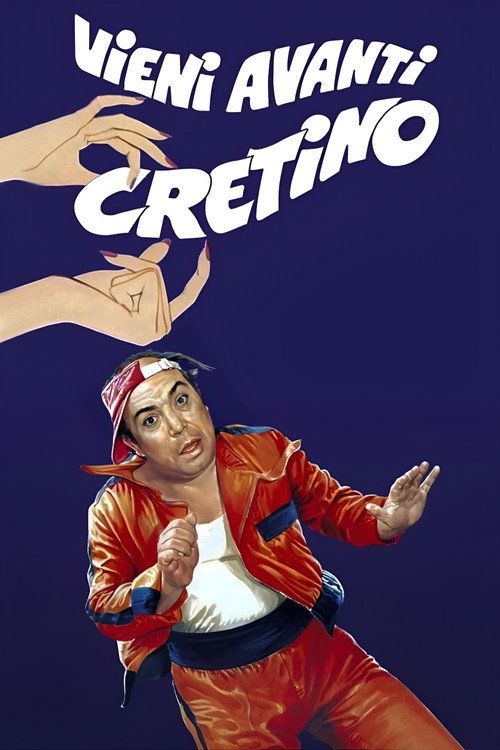
1982
No reviews yet. Be the first to share your thoughts on this movie!
Use the rating form above to leave a star rating and optional review.