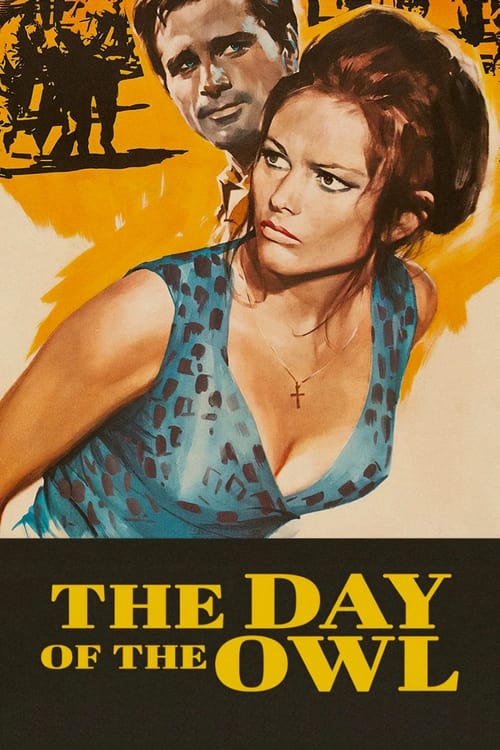
The Day of the Owl
1968
No user ratings available yet
Representation score: 2.7 out of 10

Representation Score
Limited
1984
Director
Giuseppe Ferrara
Runtime
106 minutes
Average Rating
No ratings yetNew Showbiz Analysis
One Hundred Days in Palermo is a gritty historical drama that prioritizes political realism over social diversity. It succeeds in deconstructing institutional integrity by highlighting the corrupt intersection of the state and the Mafia. However, the film remains deeply rooted in the patriarchal and demographic norms of 1970s Sicily. The narrative landscape is almost exclusively male-driven, focusing on the clash between communist movements and organized crime. While it lacks modern diverse representation, its strength lies in its systemic critique of power. It challenges traditional Western pillars by framing the state as a compromised entity.
Category Breakdown
The film focuses on political and criminal themes without any LGBTQ+ characters or stories related to non-straight identities.
The story centers on male-dominated political and criminal spheres, reinforcing patriarchal structures and lacking significant female influence in the power struggle.
The casting maintains cultural authenticity to its Sicilian setting. It lacks diverse representation but avoids whitewashing or disrupting traditional hierarchies.
The film offers a sophisticated critique of systemic corruption and institutional power. It introduces anti-capitalist frameworks through the lens of class and reform.
There is no focus on visible or invisible disabilities within the narrative.
Present on Screen
Limited or Absent
Official Synopsis
In the late 1970s and early 80s, assassinations in Sicily get the attention of Communist deputy, Pio La Torre, who appeals to General Carlo Alberto Dalla Chiesa to become prefect in Palermo and take on the Mafia. Dalla Chiesa approaches the job with the same focus and methods he used in hunting down the Red Brigade.
1968

2012
1979
2003
1972
1972
1972
2018
No reviews yet. Be the first to share your thoughts on this movie!
Use the rating form above to leave a star rating and optional review.