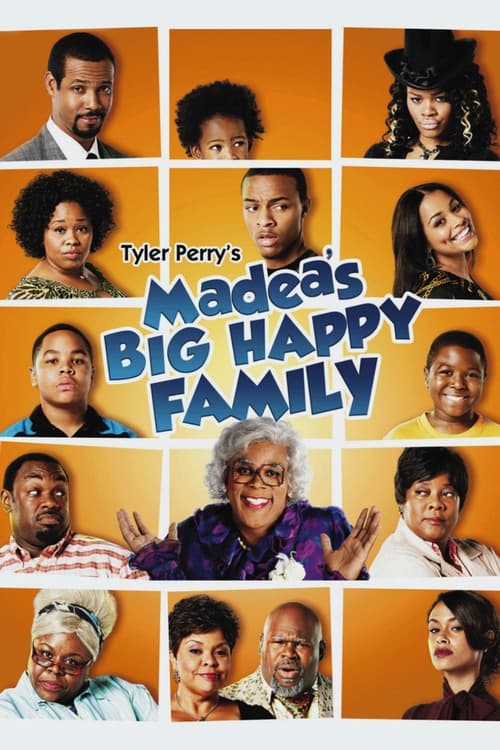
Madea's Big Happy Family
2011
No user ratings available yet
Diversity score: 4.8 out of 10
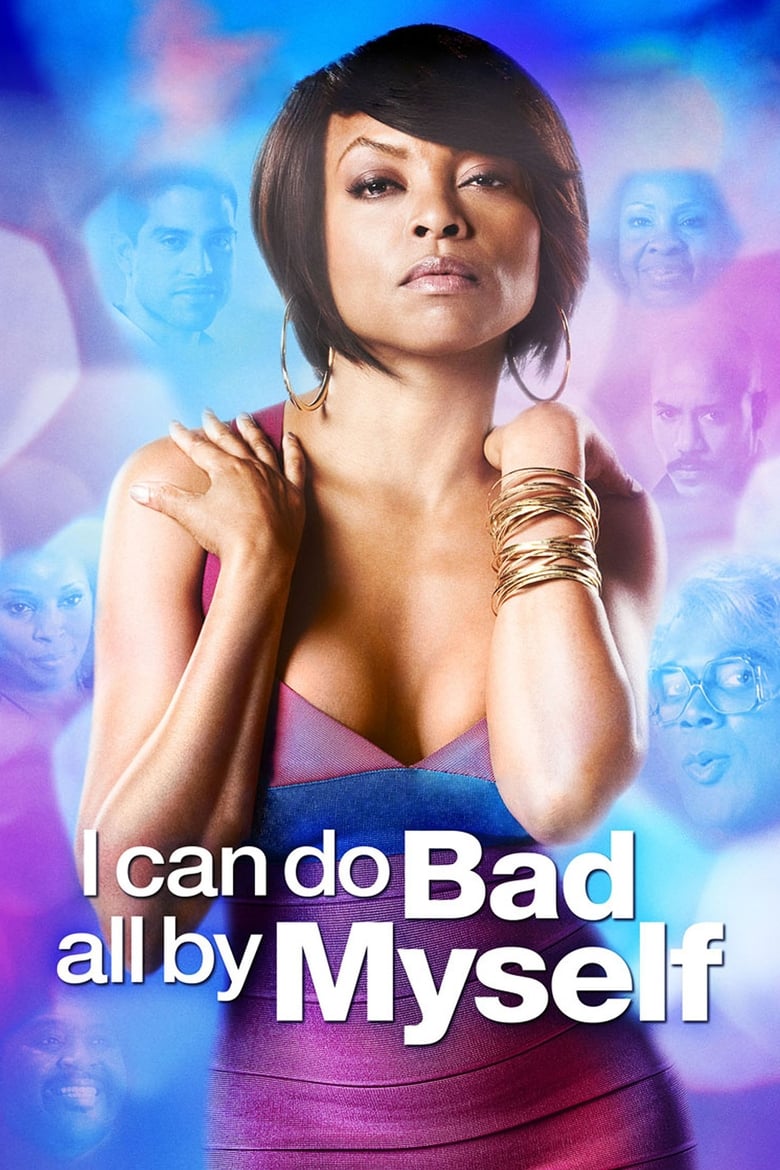
2009
PG-13Director
Tyler Perry
Runtime
113 minutes
Average Rating
No ratings yetSynopsis
When Madea catches teenage Jennifer and her two younger brothers looting her home, she decides to take matters into her own hands and delivers the young delinquents to the only relative they have: their aunt April. A heavy-drinking nightclub singer who lives off of her married boyfriend, April wants nothing to do with the kids.
Overall Score
Limited
Category Breakdown
LGBTQ+ Representation
The film lacks LGBTQ+ characters and does not explore non-heteronormative identities. Interpersonal dynamics remain centered on traditional romantic and familial structures.
Gender Representation
The narrative disrupts patriarchal hierarchies by centering powerful, autonomous female figures. Madea serves as a formidable matriarchal force, emphasizing female support networks as a primary source of stability.
Racial & Ethnic Diversity
A predominantly Black cast provides a narrative space that centers the Black experience. Characters possess significant agency within their own cultural and socioeconomic frameworks, moving beyond mere tokenism.
Religious & Cultural Diversity
The story is deeply rooted in traditional Western and religious institutions. It promotes a singular Christian morality, framing social issues as moral failings to be corrected through faith.
Disability Representation
Substance addiction is addressed, but it is treated as a spiritual hurdle rather than a nuanced exploration of health. The focus remains on communal and religious responses to behavior.
Strengths
Areas for Improvement
AI Analysis
The film excels at centering Black communal life and subverting traditional male-led authority through strong matriarchal figures. It provides a rare narrative space where Black characters drive the central conflict and resolution with significant agency. However, the film operates within a very narrow moral paradigm. By framing social struggles through a strictly conservative religious lens, it avoids exploring systemic issues or diverse cultural perspectives. Ultimately, while the racial and gendered centering is a strength, the adherence to traditionalist structures limits its progressive diversity.
2011
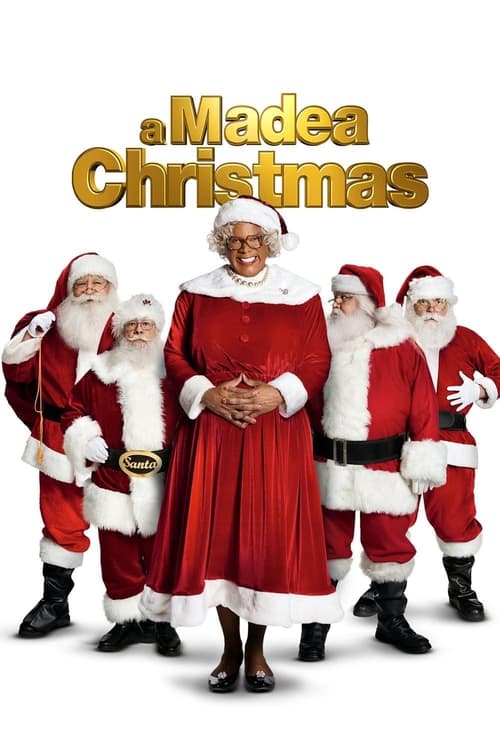
2013
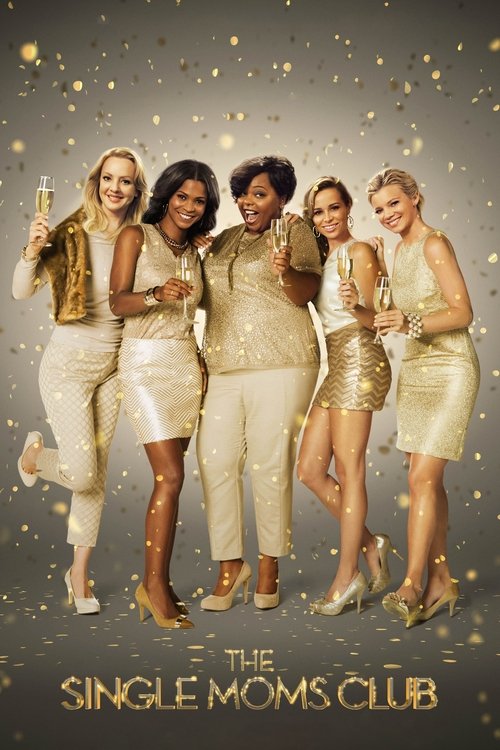
2014
2006
2012
2013

1996

2009

2008
2009

2017
2014
No reviews yet. Be the first to share your thoughts on this movie!
Use the rating form above to leave a star rating and optional review.