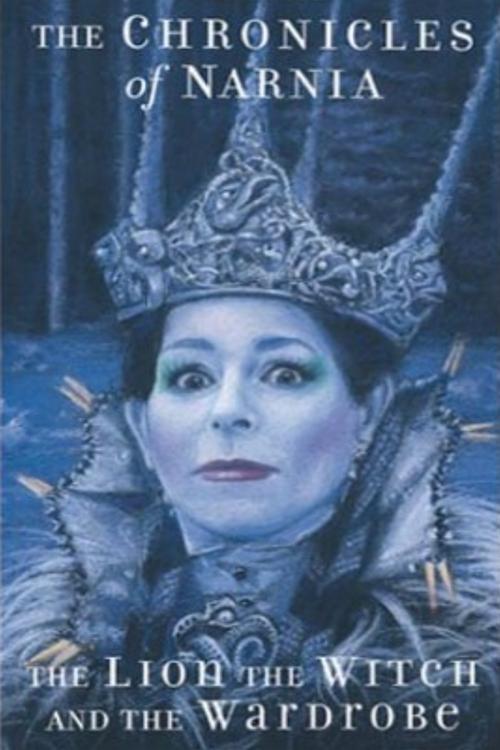
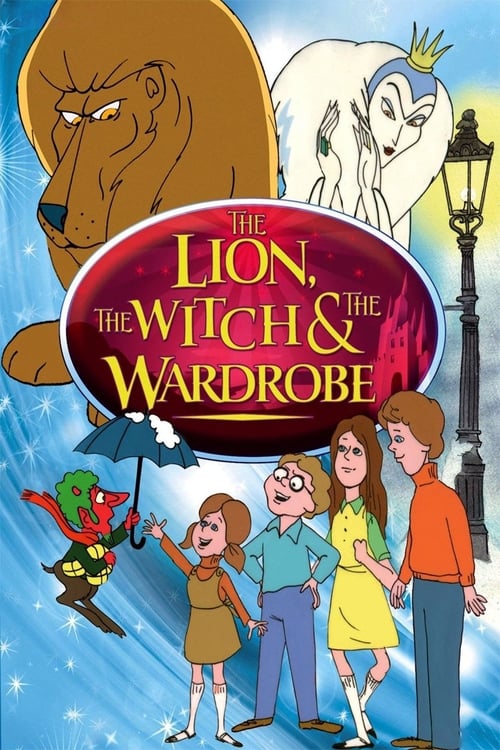
The Chronicles of Narnia: The Lion, the Witch & the Wardrobe
1988
No user ratings available yet
Representation score: 0.4 out of 10
Representation Score
Minimal
1979
Director
Bill Melendez
Runtime
95 minutes
Average Rating
No ratings yetNew Showbiz Analysis
This 1979 adaptation preserves mid-century Western values. It prioritizes religious allegory and classical moral structures over contemporary multi-layered complexities. The production adheres strictly to the social hierarchies established in the original literature. It reinforces traditional gender, racial, and religious norms rather than challenging them. Ultimately, the film serves as a traditional narrative emphasizing a stable, recognizable social order through a singular cultural lens.
Category Breakdown
The film does not include any LGBTQ+ characters or non-cisgender identities. The interpersonal dynamics focus entirely on heterosexual family structures without any queer undertones.
Traditional gender roles are reinforced throughout the story. Peter Pevensie acts as the main leader, while Susan and Lucy's roles align with mid-century expectations for women.
Character designs reflect a homogeneous Anglo-Saxon population. The world-building maintains a singular European aesthetic without any diverse ethnic identities in the central cast.
The narrative is rooted in singular Christian morality, using Aslan as a Christ figure. It reinforces traditional Western values like monarchy and divine right.
There are no visible or invisible disabilities portrayed. Characters are presented through a lens of physical and mental normalcy.
Present on Screen
Limited or Absent
Official Synopsis
Four children pass through a mystic portal in a wardrobe and discover the magical kingdom of Narnia, a land of talking animals and mythical creatures. There, an evil witch's spell has cast the land into eternal winter. Fearing that an ancient prophecy is coming to fruition, and that the children are Narnia's rightful rulers, the White Witch tricks their youngest brother into betraying his family, enacting an ancient magic that she can use to halt the fulfillment of the prophecy. Now, only Aslan, noble lion and High King above all kings in Narnia, can help them defeat the witch, restore springtime to Narnia, and claim their rightful places on the throne.
1988

1982

1994
1982
1990
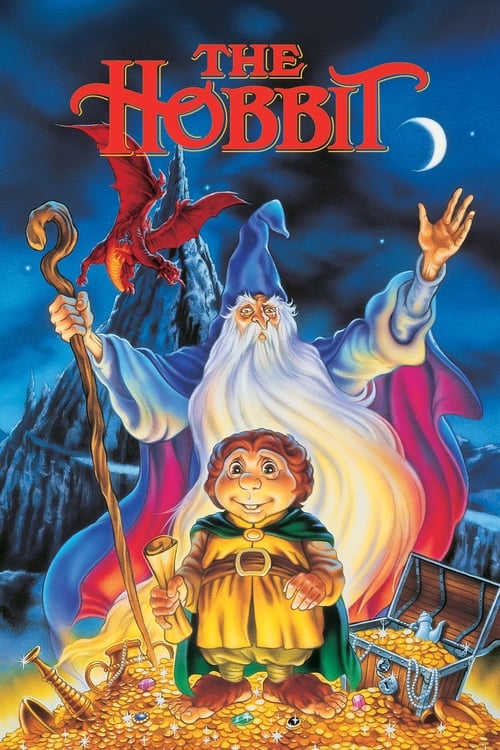
1977
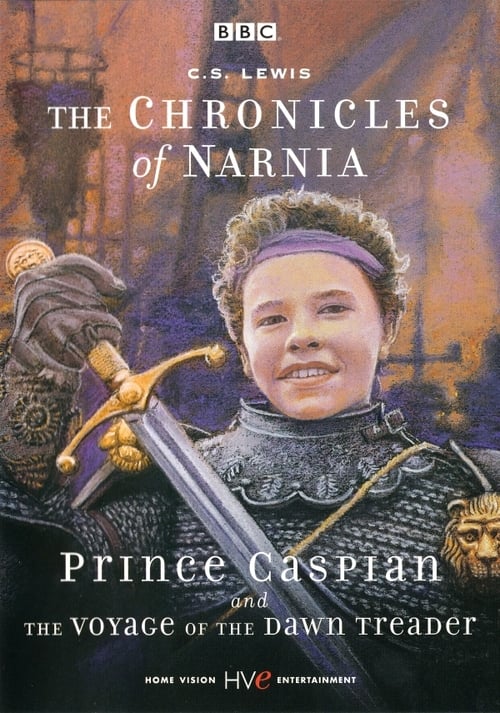
1989

1978
No reviews yet. Be the first to share your thoughts on this movie!
Use the rating form above to leave a star rating and optional review.