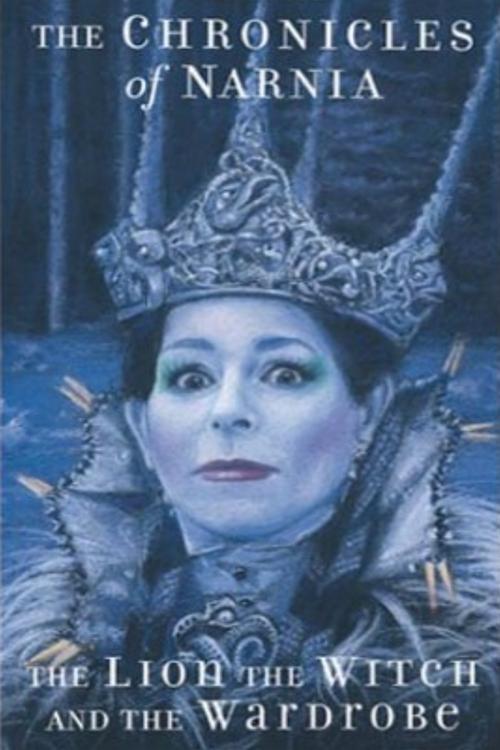
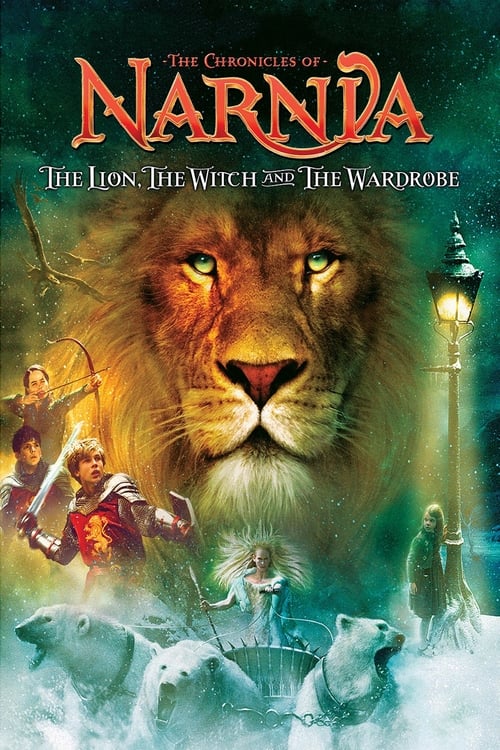
The Chronicles of Narnia: The Lion, the Witch & the Wardrobe
1988
No user ratings available yet
Representation score: 0.4 out of 10
Representation Score
Minimal
1990
UnratedDirector
Alex Kirby
Runtime
168 minutes
Average Rating
No ratings yetNew Showbiz Analysis
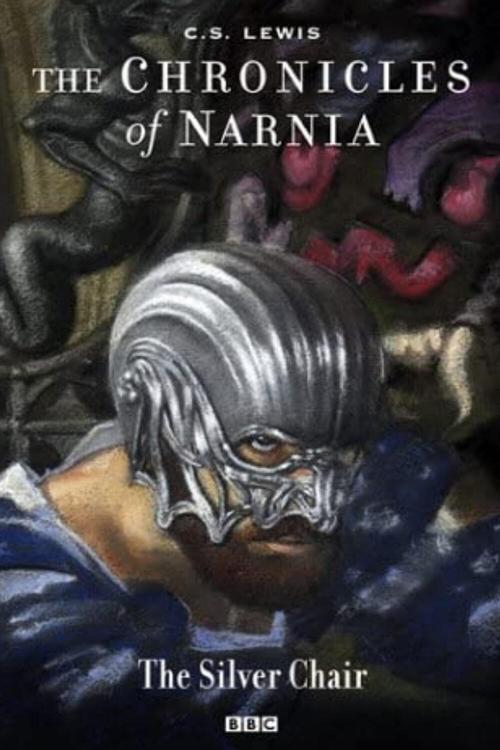
This adaptation of The Silver Chair prioritizes fidelity to its theological and literary roots over modern inclusive representation. The story functions as a reinforcement of established social and moral hierarchies through a conservative storytelling framework. The film relies heavily on conventional gender clichés and a homogeneous demographic. While Jill Pole provides a central female perspective, the narrative structure remains anchored in traditionalist fantasy aesthetics. Ultimately, the production avoids challenging social norms, opting instead to uphold classical Christian morality and hierarchical stability.
Category Breakdown
The film follows a strictly heterosexual and cisgender structure. There are no depictions of LGBTQ+ identities or same-sex relationships.
Jill Pole acts as a central protagonist with a significant role in driving the story, yet the film relies on traditional gender clichés. The female antagonist is framed through villainous femininity, while the male prince remains a captive.
The casting reflects a homogeneous demographic consistent with the British origins of the source material. There is no intentional racial blending or color-blind casting within the primary cast.
The narrative is rooted in moral absolutism and religious allegory. It prioritizes obedience to Aslan and reinforces traditional Western values of faith and duty.
There are no prominent depictions of visible or invisible disabilities. Characters are defined by their roles in the quest rather than physical or neurodivergent traits.
Present on Screen
Limited or Absent
Official Synopsis
Eustace is sent to a horrible school and finds a friend in Jill Pole, who's also running from bullies and looking for a place to hide. The two of them are magically transported from the garden shed into the magical world of Narnia, where they are entrusted with a task by Aslan: to rescue the king's stolen son, Prince Rilian. Together with Puddleglum the Marshwiggle, they must travel north across the mountains, dodge giants, and journey down into the earth itself to rescue Rilian from the mysterious evil that holds him bound there.
1988

1957
1989
1977
1998
1977
2005
1982
No reviews yet. Be the first to share your thoughts on this movie!
Use the rating form above to leave a star rating and optional review.