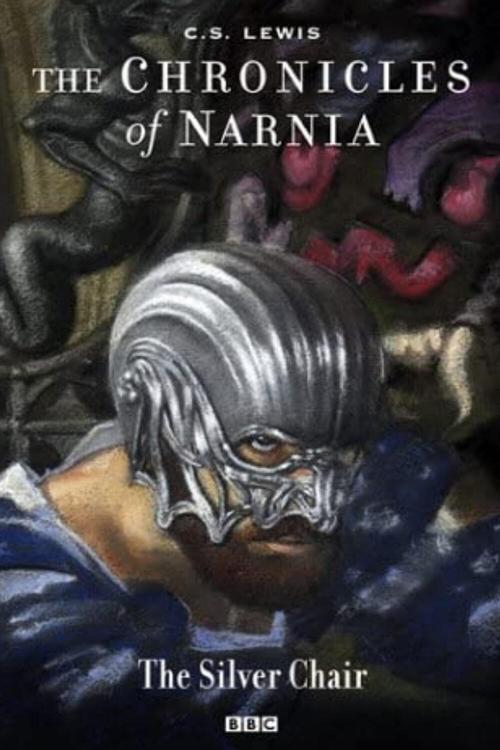
The Chronicles of Narnia: The Silver Chair
1990
No user ratings available yet
Representation score: 0.4 out of 10
Representation Score
Limited
1989
UnratedDirector
Alex Kirby
Runtime
168 minutes
Average Rating
No ratings yetNew Showbiz Analysis
This adaptation functions as a traditionalist fantasy that prioritizes conventional storytelling and established hierarchies. It focuses on the restoration of a monarchy and the duty of rightful rulers. While the film provides meaningful roles for female characters within a high-stakes adventure, the narrative structure remains largely conventional. The central power dynamics and social structures are not designed to disrupt traditional norms. The production adheres to the standard fantasy casting and cultural frameworks of the late 1980s, emphasizing lineage and legendary artifacts over progressive representation.
Category Breakdown
The story focuses on sibling reunions and the restoration of a monarchy. There is no evidence of same-sex relationships or non-cisgender identities within the narrative.
Female characters like Susan and Lucy play significant roles in the adventure. However, leadership roles and the central conflict of succession are framed through a masculine perspective.
The human characters follow traditional Anglo-Saxon casting norms typical of 1980s fantasy. While mythical creatures populate the realm, the core human cast lacks explicit racial diversity.
Themes emphasize loyalty to lineage and the preservation of traditional Western concepts of sovereignty. The moral framework centers on the triumph of rightful authority over usurpers.
The narrative does not feature any visible or invisible disabilities as central elements. No characters with disabilities are portrayed with significant roles in the provided material.
Present on Screen
Limited or Absent
Official Synopsis
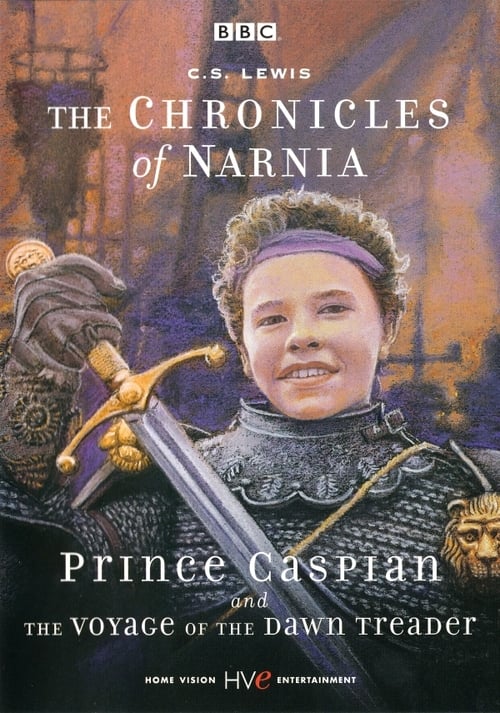
Young Prince Caspian of Narnia wonders and dreams about the old days of Narnia when animals talked, and there were mythical creatures and four rulers in Cair Paravel. But his uncle and aunt don’t like to hear him thinking of such things, and plan to murder him and take his throne. Caspian’s tutor, Dr. Cornelius manages to save him, and not only teach him about the old ways, but bring him into the real Narnia and introduce him to the real Narnia. But Caspian’s plight is desperate, and he must use the legendary horn to call help from another world: Peter, Susan, Edmund, and Lucy. Then, Lucy and Edmund are sent back to Narnia, along with their cousin Eustace, to assist Caspian on a voyage. Along their journey the children battle dragons and sea serpents, and sail across a golden lake to reach the edge of the world.
1990
1977
1988
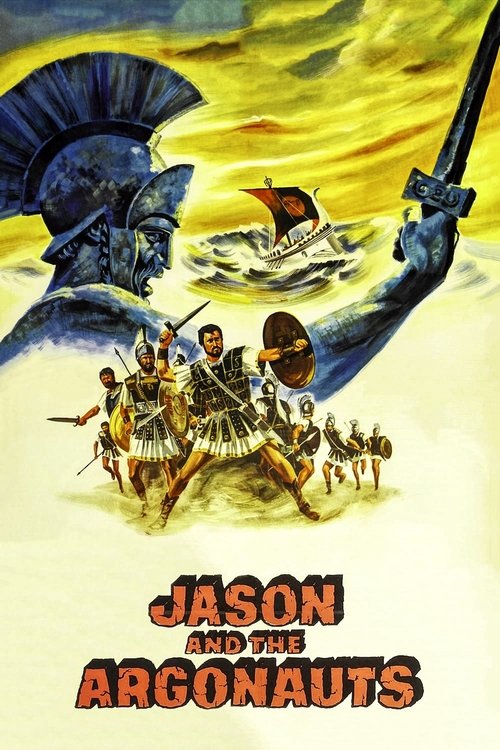
1963
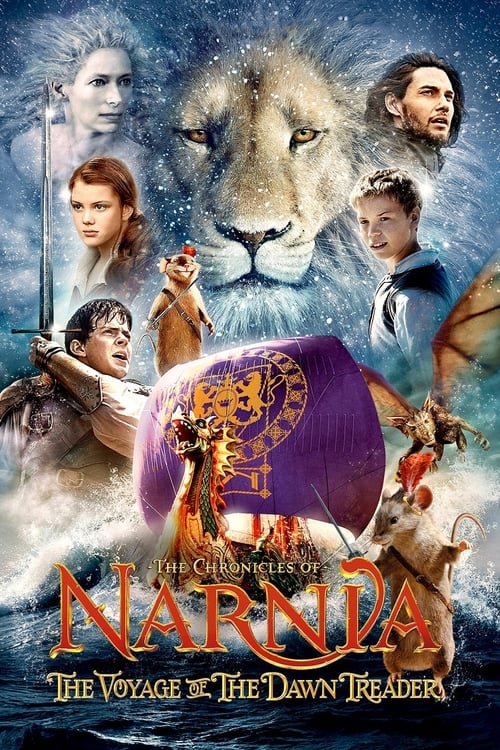
2010
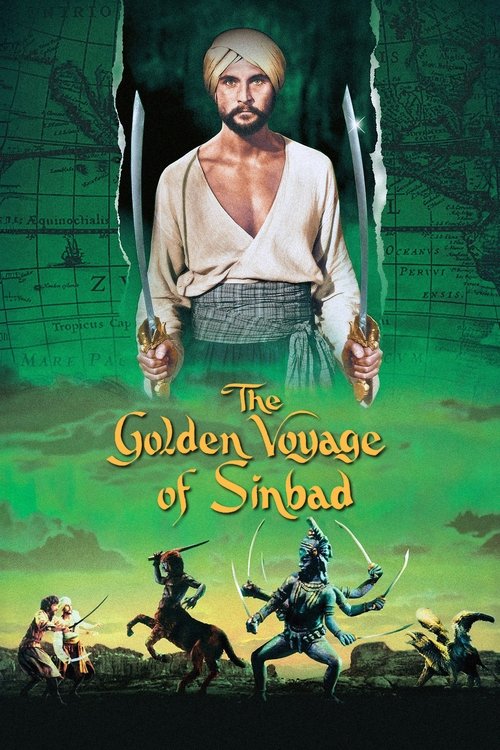
1973
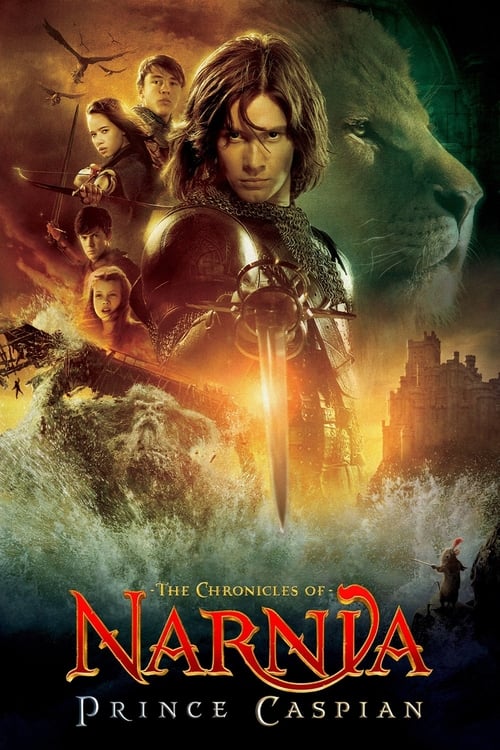
2008
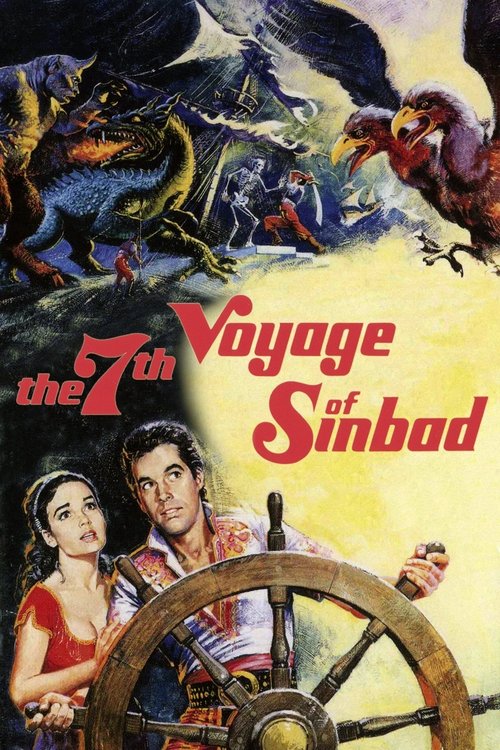
1958
No reviews yet. Be the first to share your thoughts on this movie!
Use the rating form above to leave a star rating and optional review.