Suck My Dick
2001
No user ratings available yet
Representation score: 8.0 out of 10
Representation Score
Excellent
1997
Not RatedDirector
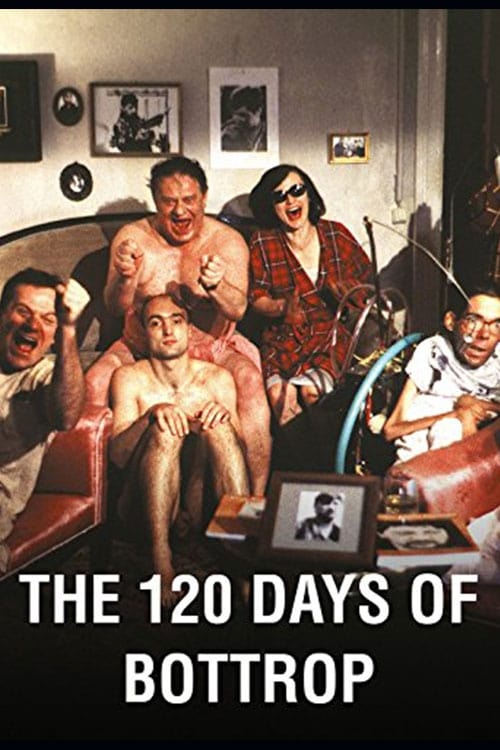
Christoph Schlingensief
Runtime
60 minutes
Average Rating
No ratings yetNew Showbiz Analysis
The 120 Days of Bottrop operates as a radical piece of cinematic architecture. By channeling the spirit of Rainer Werner Fassbinder, the film moves away from conventional storytelling to dismantle traditional social hierarchies through a postmodern lens. Its strength lies in its commitment to exploring complex identities and challenging the stability of Western institutional norms. The film uses transgressive aesthetics to examine the friction between individuals and the state. However, the film's focus on European social transgression and class dynamics limits its evident racial diversity. While it excels at subverting gender and queer norms, it remains deeply rooted in a specific cultural framework.
Category Breakdown
The film aligns with Rainer Werner Fassbinder’s queer aesthetics, suggesting a framework that centers non-straight relationships and desires. It likely critiques the assumption that everyone is straight or cisgender through its stylistic lineage.
Schlingensief’s direction tends to disrupt traditional gender hierarchies. The film uses its homage to Fassbinder to subvert conventional domesticity and male authority.
The narrative appears heavily focused on class and social transgression within a European context. There is insufficient evidence to confirm high racial diversity.
The work prioritizes subjective morality over religious or patriotic ideals. It frames social dysfunction as a response to systemic oppression rather than a moral failing.
The use of the grotesque may challenge definitions of normalcy. This approach can give real power to characters existing on the periphery of standard social functioning.
Present on Screen
Limited or Absent
Official Synopsis
An eccentric homage to the Rainer Werner Fassbinder days of German filmmaking.
2001
1999
1976
1985
1992

1997
1996
2007
No reviews yet. Be the first to share your thoughts on this movie!
Use the rating form above to leave a star rating and optional review.