
The 120 Days of Bottrop
1997
No user ratings available yet
Diversity score: 6.0 out of 10
1986
Not RatedDirector
Christoph Schlingensief
Runtime
81 minutes
Average Rating
No ratings yetSynopsis
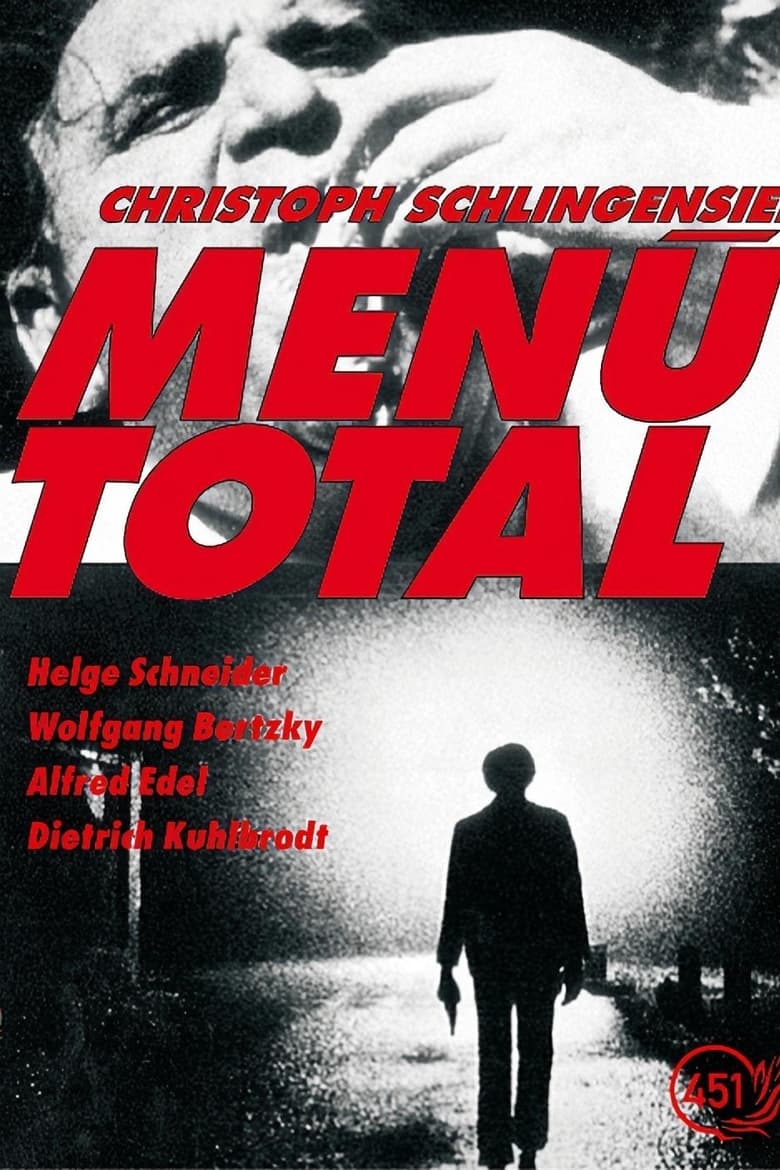
A traumatized young man, abused by his father, imagines himself as Adolf Hitler when dreaming of revenge. Schlingensief released this film, which follows no linear narrative structure, at a moment when right-leaning German intellectuals argued for a coming to terms of the country’s relation with its Nazi past. Schlingensief disagreed. (MoMA)
Overall Score
Fair
Category Breakdown
LGBTQ+ Representation
The film focuses on psychological fragmentation and trauma rather than explicit queer identities. There is no evidence of same-sex intimacy or overt LGBTQ+ representation within the narrative.
Gender Representation
The story centers on a male protagonist and his dysfunctional relationship with a paternal figure. It deconstructs traditional masculine archetypes by framing the patriarch as a source of trauma.
Racial & Ethnic Diversity
The narrative is deeply embedded in post-war German identity and European historical trauma. It lacks a multi-ethnic cast, focusing instead on a critique of ethnic nationalism.
Religious & Cultural Diversity
Schlingensief engages deeply with the deconstruction of Western institutions and state stability. The film rejects traditional historical narratives to critique established social structures.
Disability Representation
The protagonist's trauma serves as the central engine of the film. This provides a sophisticated exploration of mental health and the psychological impact of systemic abuse.
Strengths
Areas for Improvement
AI Analysis
Menu Total is a radical work of cultural critique that prioritizes the deconstruction of national identity over demographic inclusion. It uses a non-linear, avant-garde structure to challenge the stability of the German state and traditional family hierarchies. While the film lacks intersectional casting or diverse ethnic representation, it offers significant intellectual value by disrupting official historical memory. It frames established institutions as fractured and oppressive rather than stable. The film's strength lies in its psychological depth and its refusal to adhere to conventional morality, making it a provocative study of systemic trauma.
No reviews yet. Be the first to share your thoughts on this movie!
Use the rating form above to leave a star rating and optional review.