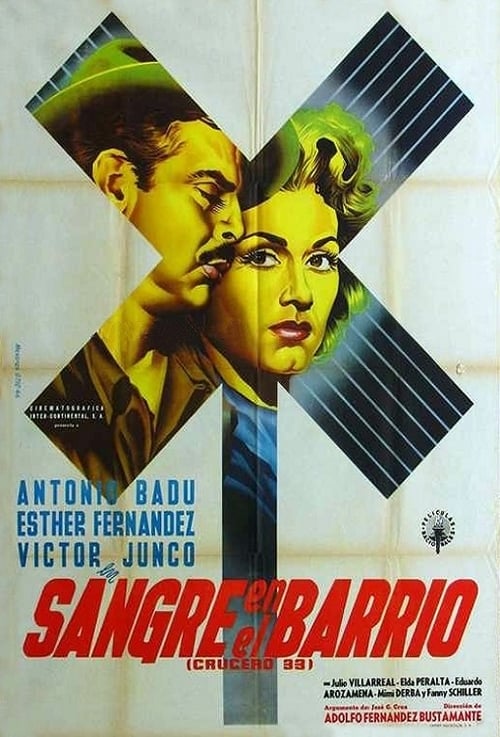
Sangre en el barrio
1952
No user ratings available yet
Representation score: 2.1 out of 10
Representation Score
Minimal
1951
Director
José Díaz Morales
Runtime
94 minutes
Average Rating
No ratings yetNew Showbiz Analysis
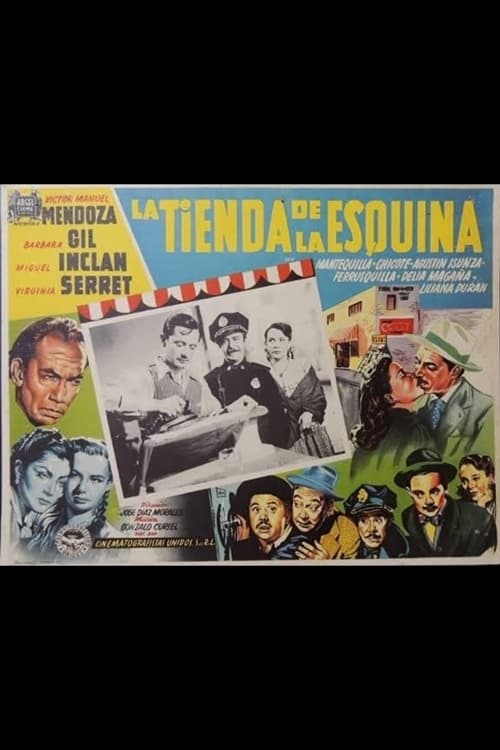
La tienda de la esquina is a period-specific observational work that reflects the social and demographic constraints of mid-century Spain. The film prioritizes the stability of the family unit and the protection of local commerce against external threats. While the film provides a meaningful look at working-class life through a neorealist lens, it does not seek to disrupt systemic hierarchies. The narrative structure adheres to the traditionalist values of its time rather than offering progressive subversion. Ultimately, the film lacks the complexity required for a higher diversity rating, functioning instead as a localized study of a specific community.
Category Breakdown
The film does not include any LGBTQ+ characters or stories that go beyond the assumption that everyone is straight or cisgender. It focuses on traditional community structures typical of the era.
Gender roles in the film align with conventional 1950s social structures. The narrative centers on a family unit and traditional domestic roles.
The cast reflects the homogeneous demographic status quo of 1951 Spain. There is no evidence of racial blending or diverse ethnic representation.
The story emphasizes the preservation of traditional community values and local commerce. It frames the family unit as a central moral pillar.
There are no identifiable characters with visible or invisible disabilities. Disability does not serve as a plot device or central theme.
Present on Screen
Limited or Absent
Official Synopsis
Shady characters try to buy the corner shop and destroy a decent family's livelihood.
1952

1940
1977

1948
1951
1979
1971
1980
No reviews yet. Be the first to share your thoughts on this movie!
Use the rating form above to leave a star rating and optional review.