La tienda de la esquina
1951
No user ratings available yet
Representation score: 1.2 out of 10
Representation Score
Limited
1952
Director
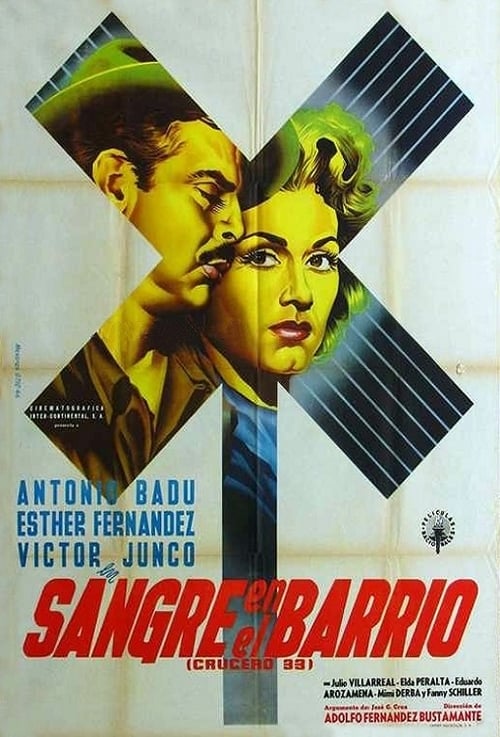
Adolfo Fernández Bustamante
Average Rating
No ratings yetNew Showbiz Analysis
Sangre en el barrio primarily explores class tension and economic exploitation. The narrative centers on the conflict between a slumlord and the working class, offering a critique of systemic power structures. While the film addresses social hierarchy, it lacks broader diversity. There is no evidence of representation regarding sexuality, disability, or specific racial identities, focusing mainly on class issues. Ultimately, the film provides a specific look at class struggle but does not incorporate broader diverse identities into its narrative structure.
Category Breakdown
The film does not include any characters with LGBTQ+ identities. The story focuses on class conflict rather than exploring queer themes.
A daughter is a central character, but she might not have much independence. The story follows traditional family roles and hierarchies.
The setting indicates a working-class ethnic community, but specific racial details are not confirmed. The music score hints at class-based representation.
The film criticizes capitalist structures by portraying a slumlord as an antagonist. It challenges traditional economic hierarchies through a focus on class struggle.
There is no information about the depiction of physical disabilities or neurodivergence in this work.
Present on Screen
Limited or Absent
Official Synopsis
Slumlord and his daughter interfere in the lives of the proletariat for personal gratification.
1951

1958
1939
1950
1949

1951

1953
1936
No reviews yet. Be the first to share your thoughts on this movie!
Use the rating form above to leave a star rating and optional review.