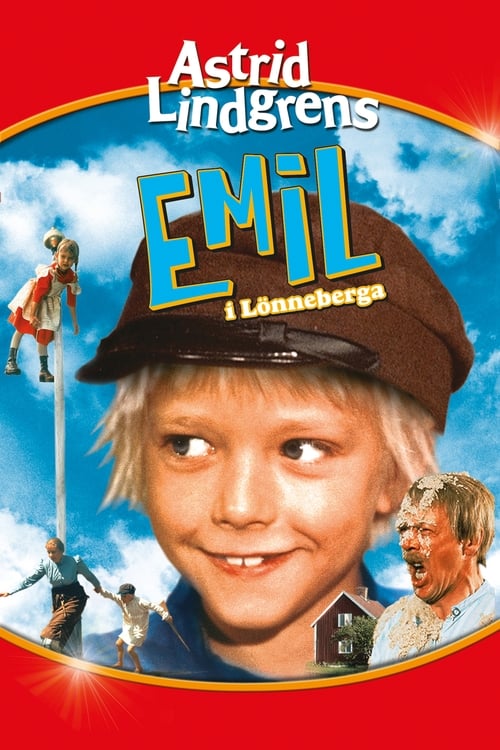
Emil of Lonneberga
1971
No user ratings available yet
Diversity score: 2.1 out of 10
1964
Director
Olle Hellbom
Runtime
89 minutes
Average Rating
No ratings yetSynopsis
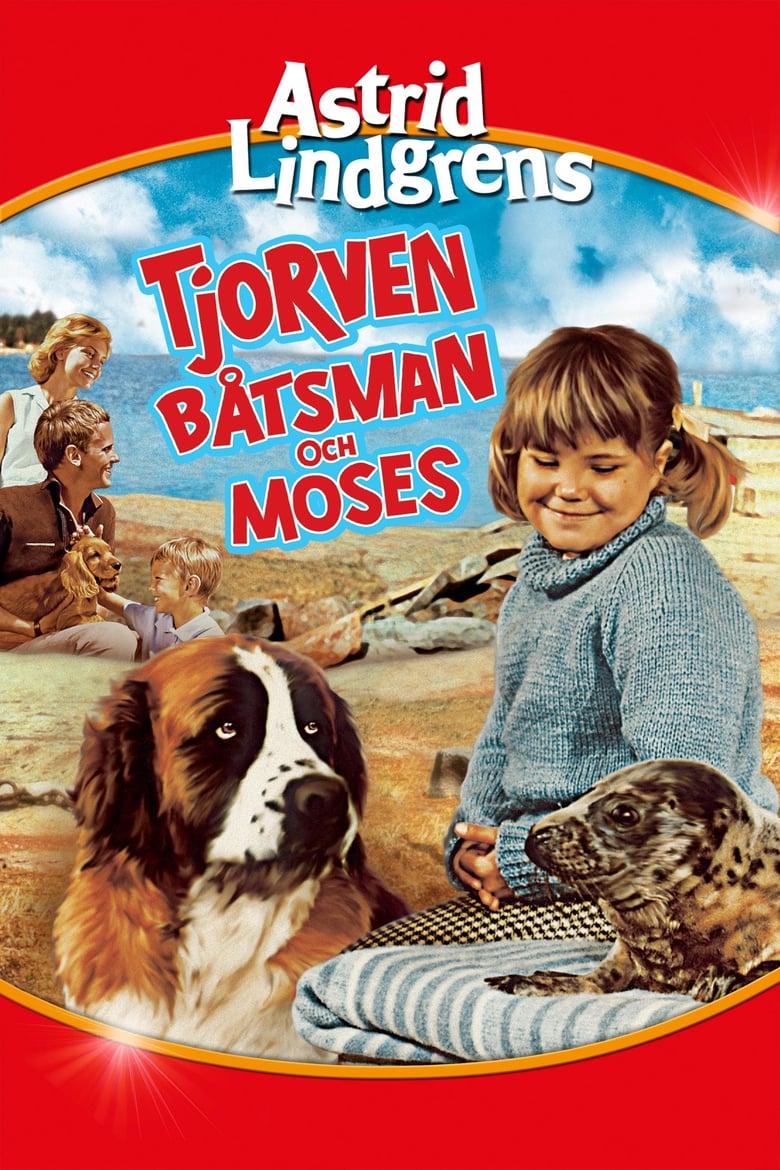
Vesterman has found a young seal in his fishing nets in the outskirts of the archipelago. When he comes back to the Saltkråkan island he gives the seal to Tjorven, who names it Moses. Peter Malm, a visitor who works at the Zoological Institute in Uppsala, wants to buy the seal, but Tjorven says it's not for sale. Vesterman is in need of money and tries to get the seal back, to sell it to Peter. The children have to hide the seal, so he won't find it. Pelle's rabbit Jocke and one of Söderman's lambs are found bitten to death. The dog Båtsman is accused of those evil deeds, which means that Tjorven's father has to shoot her dog. In the last minute Söderman finds out that a fox is the perpetrator. Peter Malm says he won't buy the seal. Vesterman is disappointed and the seal stays with the children.
Overall Score
Limited
Category Breakdown
LGBTQ+ Representation
The film operates within a strictly heteronormative framework. There is no presence of queer subtext or non-cisnormative identities within the rural Swedish setting.
Gender Representation
Tjorven provides a strong central presence, exercising agency to protect the seal. However, the social structure remains rooted in traditional mid-century gender roles.
Racial & Ethnic Diversity
The cast reflects the demographic homogeneity of 1960s Sweden. The narrative focuses on a localized, white population without engaging with diverse ethnic backgrounds.
Religious & Cultural Diversity
The story reinforces pastoral order and traditional Western storytelling. It emphasizes family stability and community rather than challenging established social or cultural institutions.
Disability Representation
No visible or invisible disabilities are portrayed. Characters function within the standard physical and neurotypical parameters typical of mid-century cinematic styles.
Strengths
Areas for Improvement
AI Analysis
Tjorven, Båtsman, and Moses is a quintessential mid-century family film that prioritizes pastoral idealism and traditional social structures. While it avoids systemic critique, it succeeds in centering a young female protagonist who drives the plot through her decisions and agency. The film's demographic landscape is highly homogeneous, reflecting the specific Swedish archipelago setting of the era. It lacks intersectional complexity, focusing instead on a localized study of rural life and animal companionship. Ultimately, the narrative serves to reinforce conventional moral frameworks and family stability rather than subverting them.
1971
1973
1972

2013

2006

2006

1971

1953

1956

1963

1965

2013
No reviews yet. Be the first to share your thoughts on this movie!
Use the rating form above to leave a star rating and optional review.