
La sorpresa
2008
No user ratings available yet
Representation score: 3.7 out of 10
Representation Score
Fair
2011
Not RatedDirector
Alejandro Ramírez
Runtime
100 minutes
Average Rating
No ratings yetNew Showbiz Analysis
The film uses magical realism to challenge traditional metaphysical and social hierarchies. By personifying Death as a character capable of romantic longing, it moves away from human-centric views of mortality and conventional archetypes. While the narrative structure is progressive in its deconstruction of spiritual certainty, the lack of explicit demographic details limits the depth of its representation. The focus remains on allegorical and existential themes rather than specific identity politics. Ultimately, the work succeeds in subverting folklore and religious clichés, offering a unique cultural perspective that avoids Western-centric mythological norms.
Category Breakdown
The film does not explicitly confirm specific LGBTQ+ identities, but the relationship between symbolic figures challenges traditional heterosexual norms.
La Chingada Vieja is given a significant role in driving the story as a cosmic force, subverting the impersonal Grim Reaper stereotype and adding complex emotional depth.
Naming conventions suggest a narrative grounded in Latin American linguistic and folkloric traditions, prioritizing a non-Anglo-Saxon cultural perspective.
The story critiques institutionalized religion by emphasizing personal connection over the town's desire for heaven, favoring existential inquiry over singular religious doctrine.
There is no evidence regarding the portrayal of physical or neurodivergent disabilities within the narrative.
Present on Screen
Limited or Absent
Official Synopsis
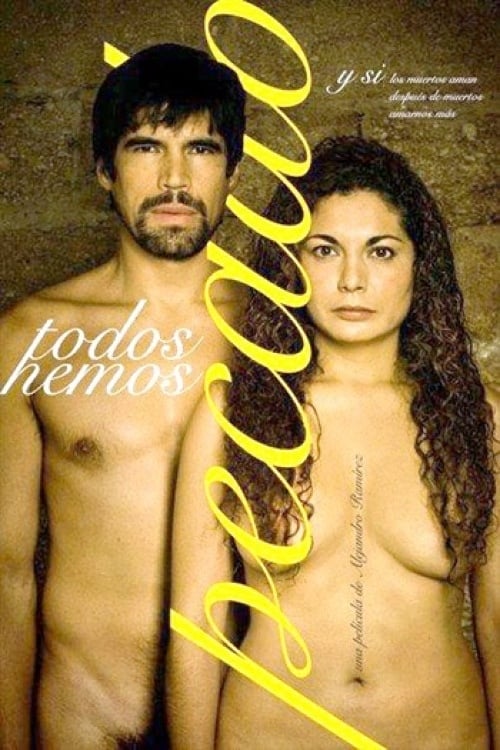
No one could ever imagine that one day La Chingada Vieja would fall in love. Because she is always alone, because no one has ever turn to see her, because everyone is always closing the door at her nose, because when they feel her coming they cross themselves, but most of all because no one could ever fall in love with death. But El Hombre sin nombre, has appeared in her life for good. Only the confusion of an avenging town and the desire of four men to arrive to heaven could change the plans of these two beings. Of whom the purist feelings alive have resurrected them.
2008

2006

2018
1960
1982
1988
2008

2014
No reviews yet. Be the first to share your thoughts on this movie!
Use the rating form above to leave a star rating and optional review.