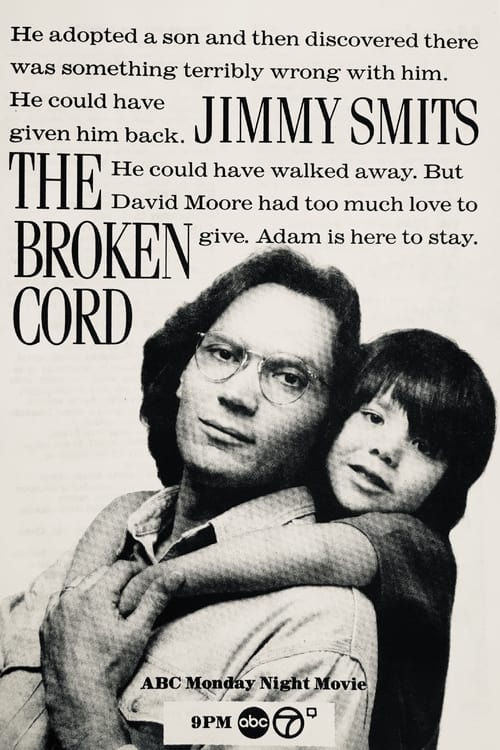
The Broken Cord
1992
No user ratings available yet
Representation score: 3.4 out of 10

Representation Score
Fair
2000
PGDirector
Karen Arthur
Runtime
94 minutes
Average Rating
No ratings yetNew Showbiz Analysis
The film explores cultural reclamation by focusing on the intersection of adoptive identity and indigenous heritage. It disrupts typical Western biographical clichés by centering the Navajo experience. The strength of the film lies in its treatment of Navajo culture as a transformative force, rather than a mere backdrop. However, the film lacks representation of LGBTQ+ identities and provides no information regarding disability. The focus remains on the tension between Western upbringing and indigenous communal identity.
Category Breakdown
The film does not include any characters or themes related to LGBTQ+ identities.
The story is driven by a female protagonist who seeks independence through self-discovery after losing her adoptive parents.
The narrative centers around a Navajo community, presenting it as a place of rebirth. It avoids shallow representation by giving the indigenous community significant depth and influence.
The film challenges Western-centric views by emphasizing Navajo culture as a source of spiritual restoration. It highlights the importance of ancestral connections over Western domestic structures.
There is no information available regarding the portrayal of physical or neurodivergent disabilities in this work.
Present on Screen
Limited or Absent
Official Synopsis
Knowing the past changes the future. Seeking a connection to her heritage, Rebecca Hoffman sets out on a journey of discovery following the deaths of her adoptive parents. She finds that connection with her birth family in the Navajo community. But cultures clash when her husband is rejected as an outsider. Rebecca and her family experience rebirth in a rich culture and renewal as a family in this dramatic film based on the autobiography Looking for Lost Bird by Yvette Melanson (with Claire Safran).
1992
2015
1999

1998
2013
2017
2000
2006
No reviews yet. Be the first to share your thoughts on this movie!
Use the rating form above to leave a star rating and optional review.