
Lion
2016
No user ratings available yet
Representation score: 3.8 out of 10
Representation Score
Fair
2007
PG-13Director
Mira Nair
Runtime
122 minutes
Average Rating
No ratings yetNew Showbiz Analysis
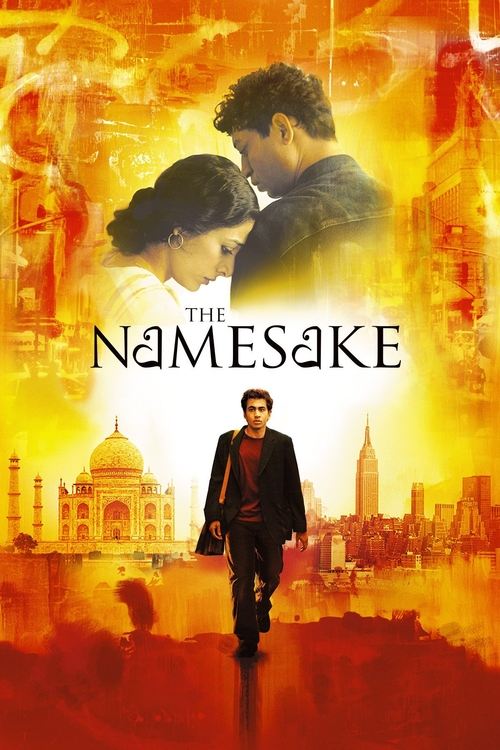
The Namesake is a profound exploration of the immigrant experience, emphasizing cultural authenticity and the intricacies of the diaspora journey. It excels by centering South Asian identity, avoiding including someone from a minority group without giving them real depth and treating Bengali customs as integral to the narrative structure. While the film provides deep insights into gendered emotional labor and cultural preservation, it remains within traditional social frameworks. The lack of LGBTQ+ representation and adherence to patriarchal structures limit its broader diversity impact. Ultimately, the film is a high-quality study of hybrid identity. It challenges Anglo-centric views by focusing on the immigrant struggle as the primary lens through which the New York landscape is examined.
Category Breakdown
The film does not include any LGBTQ+ characters or non-straight relationships. Romantic and family arcs follow traditional heterosexual norms.
Ashima Ganguli's character offers a nuanced look at resilience and her role within a traditional household. However, the film upholds a patriarchal family structure without challenging male dominance.
The story centers the Bengali-Indian experience, using South Asian customs and language as key plot elements. It effectively presents a non-white perspective in a New York setting.
The film examines the tension between Hindu traditions and Western culture. It highlights the complex negotiation of identity and the generational divide during the process of assimilation.
There are no significant representations of visible or invisible disabilities among the main characters.
Present on Screen
Limited or Absent
Official Synopsis
The American-born son of Indian immigrants strives to fit in among his fellow New Yorkers despite his family's unwillingness to let go of their traditional ways.
2016
1991

2021

2008
1999
2017
2016
2005
No reviews yet. Be the first to share your thoughts on this movie!
Use the rating form above to leave a star rating and optional review.