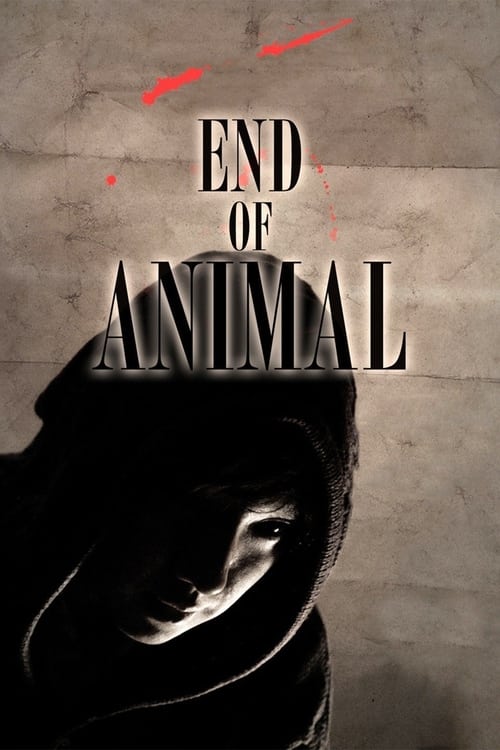
End of Animal
2011
No user ratings available yet
Representation score: 5.3 out of 10
Representation Score
Good
2012
Not RatedDirector
Yim Pil-sung, Kim Jee-woon
Runtime
113 minutes
Average Rating
No ratings yetNew Showbiz Analysis
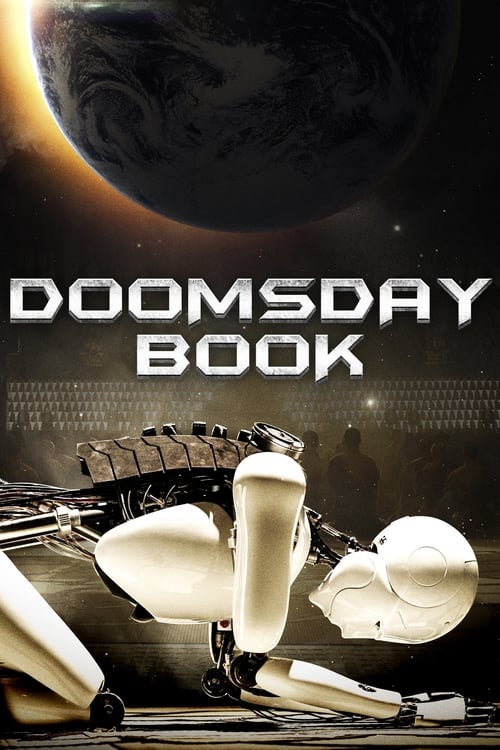
Doomsday Book succeeds as a sophisticated deconstruction of traditional storytelling. It provides significant progressive value by rejecting Western-centric sci-fi clichés and embracing postmodern, morally relativistic themes through an East Asian lens. While the film avoids aggressive identity-based politics or explicit LGBTQ+ narratives, it disrupts conventional expectations of authority. It replaces established order with an existentialist exploration of what remains when societal institutions fail. The anthology's strength lies in its ability to use high-concept science fiction to explore human fragility and universal themes outside of a Hollywood-centric framework.
Category Breakdown
The anthology does not include explicit representations of non-binary genders or same-sex relationships. Instead, it focuses on survivalist dynamics and traditional heterosexual pairings in the stories.
The film presents a nuanced view through extreme circumstances, such as a robot achieving spiritual enlightenment. However, many character arcs still rely on traditional gender roles where one person protects another.
As a South Korean production, the film centers a non-Western cast and perspective. It avoids the typical white-centric default of global sci-fi by setting the apocalypse within a Korean context.
The film explores the intersection of technology and spirituality, questioning the rigidity of organized religions. It uses a fragmented structure to critique the fragility of modern civilization.
The narrative focuses on the general physical vulnerability of humanity facing extinction. There are no characters with specific, identifiable disabilities playing central roles in the story.
Present on Screen
Limited or Absent
Official Synopsis
In 'A Brave New World', a virus brings the city to ruins and zombies flood the streets of Seoul. In 'The Heavenly Creature', a robot reaches enlightenment while working at a temple, but its creators deem this phenomenon a threat to mankind. In the final segment, 'Happy Birthday', a young girl logs onto a strange website and places an order for a new billiard ball for her father. Soon afterwards a meteor heads toward Earth and people flee to underground bomb shelters.
2011
2008

2014
1989
2016
2007

2011
2013
No reviews yet. Be the first to share your thoughts on this movie!
Use the rating form above to leave a star rating and optional review.