Robot Carnival
1987
No user ratings available yet
Representation score: 6.9 out of 10
Representation Score
Good
1989
Director
Rintaro, Yoshiaki Kawajiri, Katsuhiro Otomo
Runtime
50 minutes
Average Rating
No ratings yetNew Showbiz Analysis
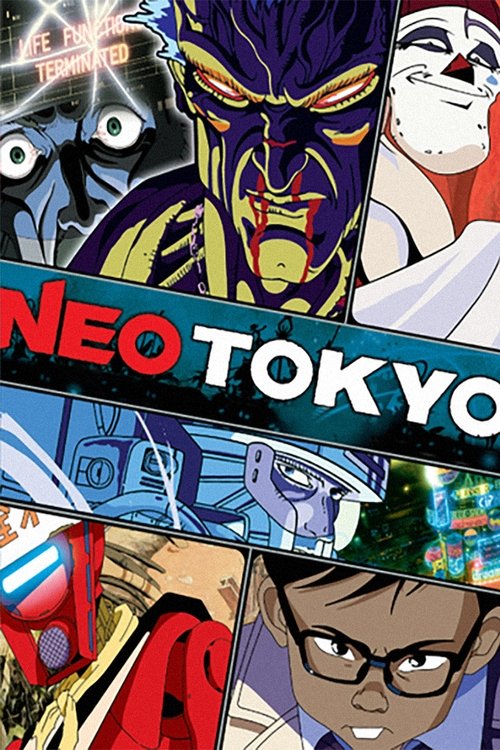
Neo Tokyo is a sophisticated postmodern anthology that uses fragmented narratives to deconstruct social and scientific structures. It excels at challenging Western-centric progress and traditional moral hierarchies, offering a bleak but intellectually rigorous worldview. While the film lacks representation for LGBTQ+ identities and nuanced disability studies, it compensates through strong cultural specificity and empowered female characters. The creative direction prioritizes systemic critique over conventional hero archetypes. Ultimately, the film serves as a powerful disruption of traditional storytelling, favoring nihilistic exploration and the deconstruction of power over ordered societal outcomes.
Category Breakdown
The film does not explicitly depict non-straight or non-cisgender identities and lacks scenes showing intimate relationships between individuals of the same sex. The stories focus on personal survival and revenge in futuristic or historical settings.
Female characters play significant roles in driving the story, especially in segments involving sentient energy. They display intelligence and strength, which challenges traditional gender hierarchies and avoids female subordination.
The work focuses on Japanese cultural and historical specifics. It avoids Western storytelling norms by emphasizing Japanese aesthetics and philosophy over Anglo-Saxon clichés.
The anthology criticizes Western science and institutional stability. Centralized authority is portrayed as corrupt, embracing moral relativism through a lens of systemic chaos.
Physical and psychological trauma appear mainly as plot devices to heighten horror. There is limited exploration of neurodivergence or disability through character's ability to drive the story.
Present on Screen
Limited or Absent
Official Synopsis
A trilogy of separate stories. In "Labyrinth labyrinthos", a girl and her cat enter a strange world. In "Running Man", a racer takes on the ultimate opponent. In "Construction Cancellation Order", a man must shut down worker robots.
1987
1995

1985
2006
1986

1987

1981
No reviews yet. Be the first to share your thoughts on this movie!
Use the rating form above to leave a star rating and optional review.