
Train to Busan
2016
No user ratings available yet
Representation score: 6.3 out of 10
Representation Score
Good
2016
TV-14Director
Yeon Sang-ho
Runtime
92 minutes
Average Rating
No ratings yetNew Showbiz Analysis
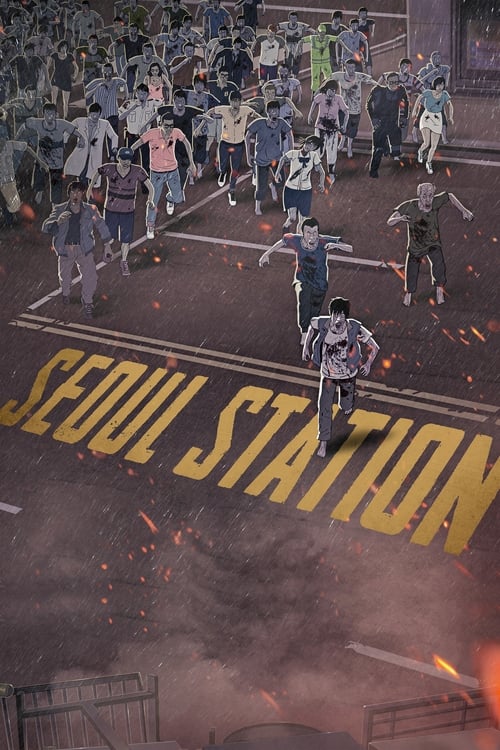
Seoul Station uses the horror genre to question institutional stability and criticize capitalist structures. It highlights the perspectives of those on the social periphery, focusing on systemic failure during a crisis. The film's cultural critique frames survival as a result of systemic abandonment. While it lacks diverse representation, its social commentary is intentionally focused on power dynamics and state authority.
Category Breakdown
The film does not include any LGBTQ+ characters or explore non-straight relationships. The narrative centers on the survival of the main trio.
Su-min is a central character with strong survival instincts and autonomy. Her role challenges traditional portrayals of women in disaster films.
The cast is primarily South Korean, providing a unique perspective on urban globalization and systemic neglect. However, there is no ethnic diversity among the actors.
The film critiques capitalism by showing how socioeconomic status influences survival. Urban institutions are portrayed as predatory or inadequate.
The zombie condition symbolizes loss of bodily control. However, these characters serve mainly as horror elements rather than individuals with ability to act.
Present on Screen
Limited or Absent
Official Synopsis
When a zombie virus erupts from Seoul Station, a young woman fights to survive on the streets while her boyfriend and father track her down.
2016
2026

2020

2023

2016

2008
No reviews yet. Be the first to share your thoughts on this movie!
Use the rating form above to leave a star rating and optional review.