Anna and the King
1999
No user ratings available yet
Representation score: 3.2 out of 10
Representation Score
Good
1997
RDirector
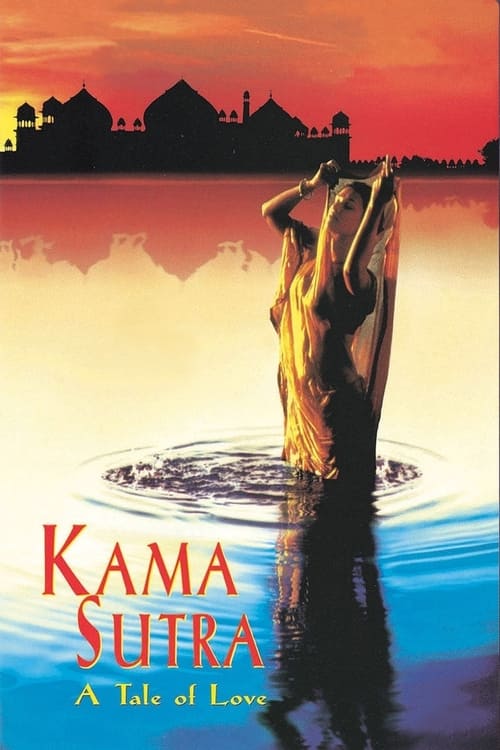
Mira Nair
Runtime
113 minutes
Average Rating
No ratings yetNew Showbiz Analysis
Mira Nair’s direction offers a sophisticated foundation for a narrative that prioritizes non-Western perspectives. The film excels by centering female autonomy and deconstructing colonial viewpoints through a historical lens. The production stands out for its cultural authenticity and strong gender dynamics. By focusing on the emotional and erotic lives of women, it challenges traditional patriarchal hierarchies and avoids exoticizing its Indian setting. While the film is progressive in its exploration of desire, it remains centered in heterosexual relationships and lacks representation of individuals with disabilities.
Category Breakdown
The film examines intimacy through the lens of female desire and challenges rigid social norms around bodily autonomy. While romantic relationships are heterosexual, the narrative questions strict social taboos related to body rights.
The story emphasizes female friendship and autonomy, challenging traditional gender roles. Women are shown as active participants in their own erotic lives rather than passive objects of male desire.
An all-Indian cast grounds the story in its specific historical context. This approach avoids the Western perspective, providing a nuanced portrayal of ancient Indian social structures.
The narrative focuses on individual truth over rigid religious or social rules. It highlights the tension between personal desires and the constraints of traditional authority.
There is no significant portrayal of visible or invisible disabilities within the film.
Present on Screen
Limited or Absent
Official Synopsis
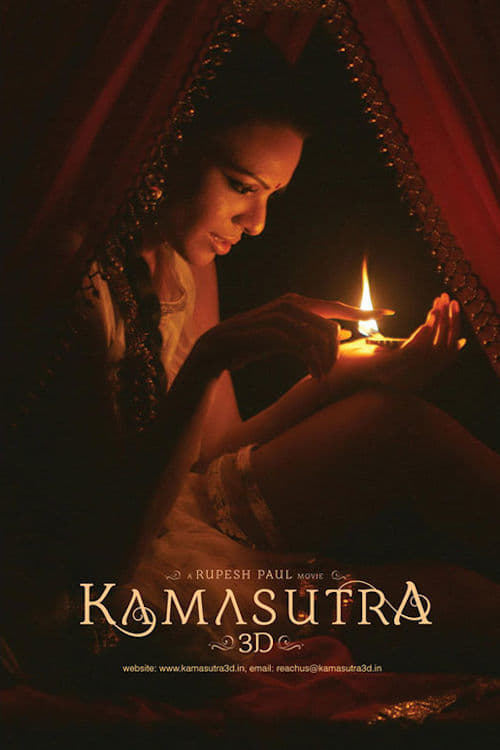
Tara and Maya are inseparable, with the same tastes, habits, and hobbies. Years later, the two have matured but have maintained their friendship. Tara marries local prince Raj Singh, who succeeds the throne as the sole heir. After the marriage, Raj seeks another female to satisfy his sexual desires, with his sights settling on Maya, putting a perhaps unforgivable strain on a longtime friendship.
1999
1934

2008
1969

1997
2000
2013

1993
No reviews yet. Be the first to share your thoughts on this movie!
Use the rating form above to leave a star rating and optional review.