
Finding Rin Tin Tin
2007
No user ratings available yet
Representation score: 0.8 out of 10
Representation Score
Minimal
1947
NRDirector
Max Nosseck
Runtime
65 minutes
Average Rating
No ratings yetNew Showbiz Analysis
The film is a traditional mid-century drama that upholds established social, gender, and cultural hierarchies. It presents a restorative story centered on faith and family stability, offering little disruption to the status quo of the 1940s. Narrative focus is primarily on traditional institutions and paternal figures. The protagonist's trauma serves the plot's emotional arc rather than providing a deep exploration of psychological issues. Overall, the production reflects the era's homogeneous casting and rigid social norms, providing a singular moral framework without exploring diverse identities or alternative social structures.
Category Breakdown
The film does not include any LGBTQ+ characters or non-straight identities. It sticks closely to the traditional family structures of the post-war period.
Gender roles follow the traditional hierarchies of the mid-20th century. The story centers on paternal figures and the protection of the home rather than challenging typical archetypes.
The cast is predominantly white, reflecting the social norms of 1940s studio productions. There are no non-white protagonists or significant racial blending.
The story highlights traditional Western values and religious beliefs. It uses religious and family structures as restorative forces without questioning them.
Paul's psychological trauma from the war is used as a standard narrative device. The film does not offer a nuanced or empowered portrayal of mental health issues.
Present on Screen
Limited or Absent
Official Synopsis
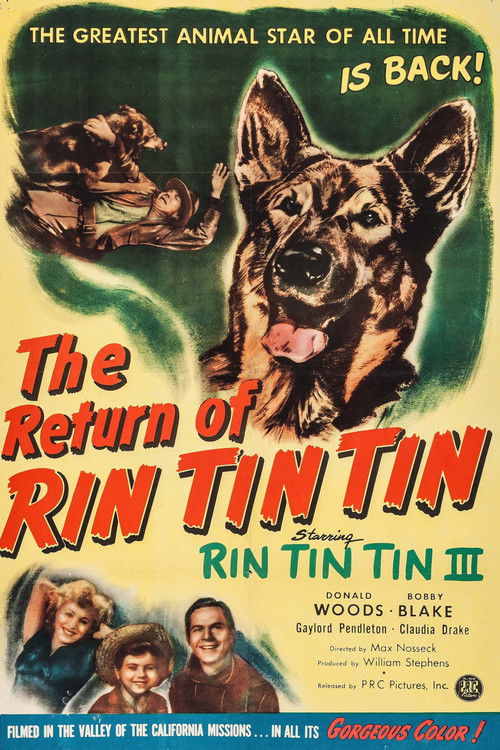
A World War II European orphan, Paul, has lost all faith in humanity. Brought to the United States by Father Mathew, Paul's confidence and faith are gradually restored through his close association with a dog, Rin-Tin-Tin.
2007

1945

1946

1987

1983

1946

1972

1943
No reviews yet. Be the first to share your thoughts on this movie!
Use the rating form above to leave a star rating and optional review.