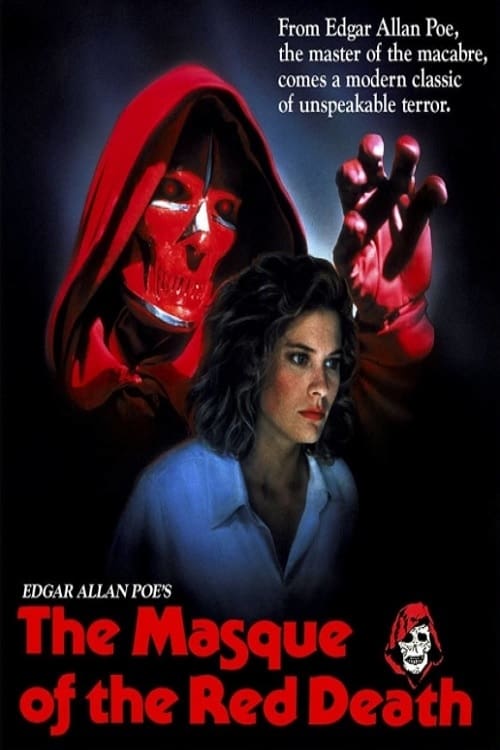
The Masque of the Red Death
1989
No user ratings available yet
Representation score: 2.5 out of 10
Representation Score
Limited
1989
RDirector
Larry Brand
Runtime
85 minutes
Average Rating
No ratings yetNew Showbiz Analysis
This adaptation of Poe's work functions primarily as a traditional horror piece. It relies heavily on historical genre clichés, which limits its demographic reach. While the film offers a sharp critique of class-based corruption and systemic institutional failure, it does so through a narrow lens. The narrative structure is driven by a centralized male authority figure and a homogeneous aristocratic setting. Consequently, the film lacks significant representation across gender, race, or LGBTQ+ identities, prioritizing atmospheric horror over progressive storytelling.
Category Breakdown
The film doesn't include explicit queer narratives or non-cisgender identities. It focuses on the decadent behavior of the nobility within traditional heterosexual social structures.
Narrative authority centers around Prince Prospero and male leadership. There is no evidence of subverted gender roles or challenges to traditional masculine hierarchies.
Set in a Renaissance kingdom, the film follows conventional period-piece clichés. It seems to focus on a homogeneous, localized aristocratic class.
The story critiques Western institutions by showing the ruling class as corrupt. It highlights the failure of the monarchy to protect the peasantry from the plague.
The plague serves as a horror device rather than a portrayal of lived experience. There is no representation of neurodivergent or physical disabilities.
Present on Screen
Limited or Absent
Official Synopsis
With a deadly plague ravaging his Renaissance kingdom, Prince Prospero invites his friends to retire to the protection of his castle for ongoing revels, leaving the peasantry to die. But fate is not so easily escaped by the debauched nobility.
1989

1964
1997
1921
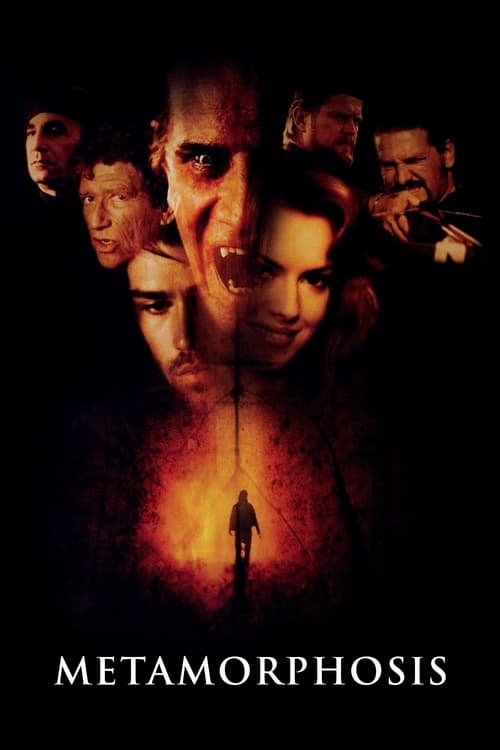
2007
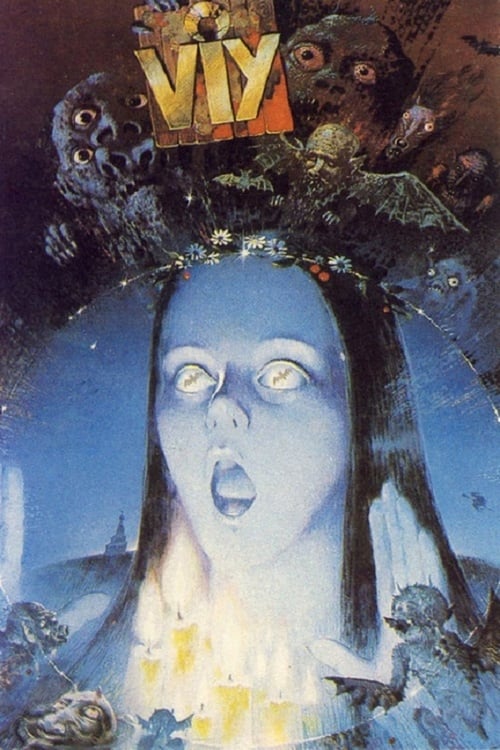
1967
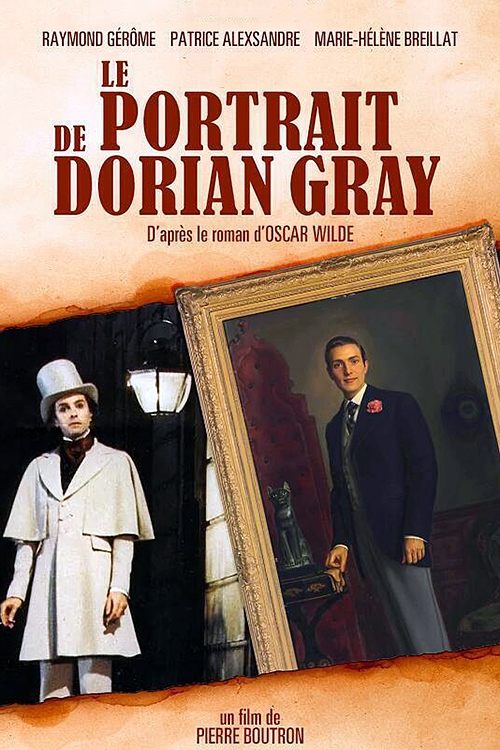
1977
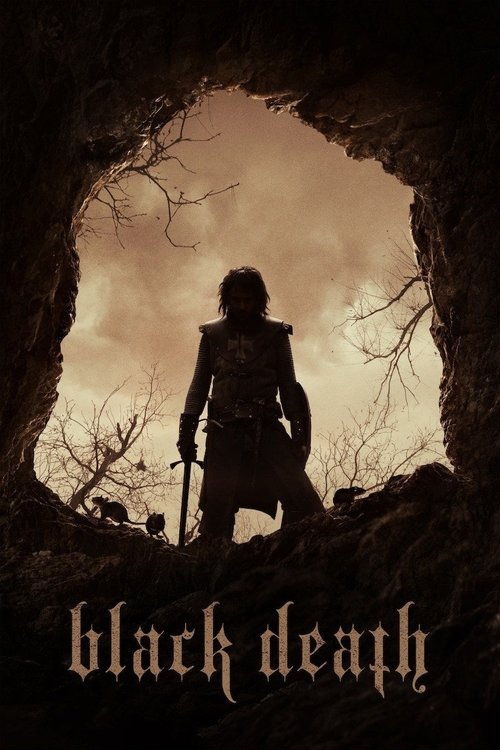
2010
No reviews yet. Be the first to share your thoughts on this movie!
Use the rating form above to leave a star rating and optional review.