
Decotora Gal 3: Sena
2010
No user ratings available yet
Representation score: 6.9 out of 10
Representation Score
Fair
2021
Director
Kazuaki Seki
Runtime
102 minutes
Average Rating
No ratings yetNew Showbiz Analysis
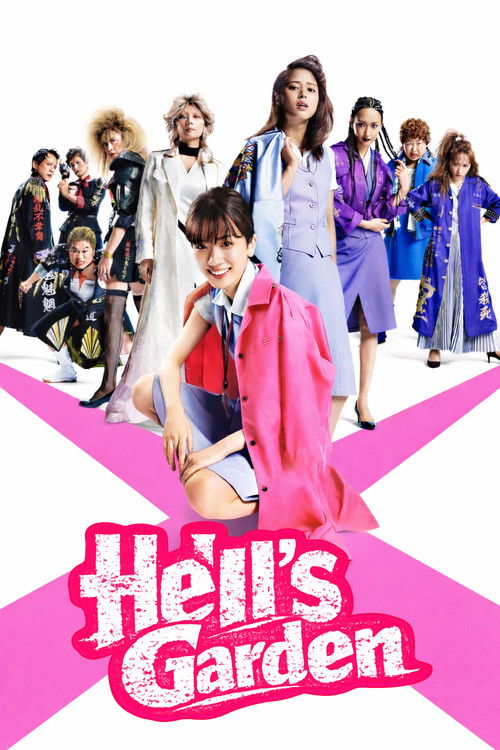
Hell's Garden functions as a genre-driven comedy-action piece that centers on the volatile social dynamics of female office workers. It successfully disrupts traditional workplace hierarchies by placing women at the heart of the conflict and action. However, the film lacks depth in representing multiple aspects of identity. While it challenges traditional gender roles in a corporate setting, it provides no evidence of LGBTQ+ narratives or diverse ethnic identities beyond standard regional demographics. The narrative focuses on interpersonal clique fighting rather than broader systemic or identity-based struggles, resulting in a score that reflects strong women's ability to drive the story but limited social critique.
Category Breakdown
The film does not include any LGBTQ+ characters or stories that challenge the assumption that everyone is straight or cisgender. Instead, it focuses on the competitive social structures among professional women.
The plot centers entirely on women's ability to drive the story and conflicts within the workplace. By making 'Office Ladies' the primary drivers of action, it challenges traditional male-dominated corporate structures.
As a Japanese production, the cast likely reflects regional demographic norms. There is no explicit evidence of diverse ethnic identities or intentional casting that considers different backgrounds.
The film portrays the traditional corporate environment as chaotic and a site of interpersonal struggle. It offers a cynical, deconstructive view of standard professional social structures.
There is no information regarding the inclusion of characters with visible or invisible disabilities.
Present on Screen
Limited or Absent
Official Synopsis
Naoko Tanaka is a 26-year-old office lady (OL). Her job is typical, but her workplace has fierce fights among different cliques. Other OLs are absorbed in the daily clique fighting. One day, due to an OL at the company, Naoko Tanaka's company is targeted by OL from all over Japan.
2010
2003
2018

2013

2020

2017
1993
2015
No reviews yet. Be the first to share your thoughts on this movie!
Use the rating form above to leave a star rating and optional review.