
Hala
2019
No user ratings available yet
Representation score: 6.4 out of 10
Representation Score
Excellent
2022
Director
Ümran Safter
Runtime
84 minutes
Average Rating
No ratings yetNew Showbiz Analysis
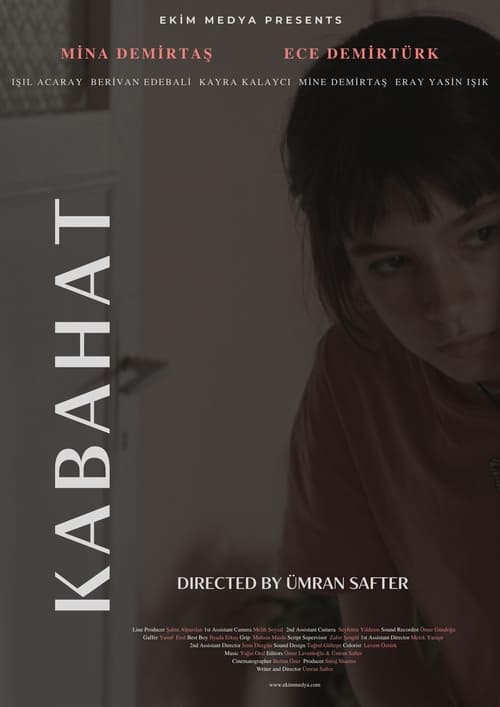
Guilt (2022) is a localized psychological drama that prioritizes internal struggle over broad diversity. The film succeeds in providing a non-Western perspective, centering a specific Anatolian identity that resists homogenized cinematic norms. The film's strength lies in its critique of traditional religious structures and its focus on the female psychological experience. It explores the tension between individual autonomy and inherited dogma through the protagonist's life events. However, the film lacks explicit LGBTQ+ representation and does not depict physical or neurodivergent disabilities. While it touches on mental health through anxiety, it does not offer a broad spectrum of diverse identities.
Category Breakdown
The film does not include explicit LGBTQ+ characters or identities. The narrative focuses solely on the protagonist's religious and family struggles.
The story centers on the female experience and the psychological pressures of traditional expectations. It highlights the conflict between female autonomy and patriarchal religious mandates.
The film offers a specific cultural perspective by focusing on a central Anatolian village. It avoids Western norms by emphasizing a localized, non-Anglo-Saxon setting.
The narrative critiques the psychological burden of religious dogma. It portrays traditional rites as sources of dread and anxiety rather than comfort.
While there are no explicit physical disabilities, the protagonist's nightmares and inner turmoil suggest a focus on mental health and anxiety. There is no direct representation of physical or neurodivergent disabilities.
Present on Screen
Limited or Absent
Official Synopsis
Reyhan, raised in a religious family, arrives to spend her summer holidays at her grandmother Ummu's house in a conservative central Anatolian village, accompanied by her mother Hatice, and her 6 year old brother Mehmet. The 13 year old is gripped by a state of inner turmoil. She has just had her first period and dreads the consequences of being unable to perform the required religious rites. Reyhan's concerns mount after she finds out the water supply at her grandmother's village house is cut off. She is desperate to find a way to perform the required religious ablution rites, which she has always been told will protect her from attacks by djinns and facial disfiguration. She starts having nightmares. At the same time, Reyhan is also determined to help Şükran, her best friend in the village.
2019

2019

2024

2014

2007
2017

2022

2016
No reviews yet. Be the first to share your thoughts on this movie!
Use the rating form above to leave a star rating and optional review.