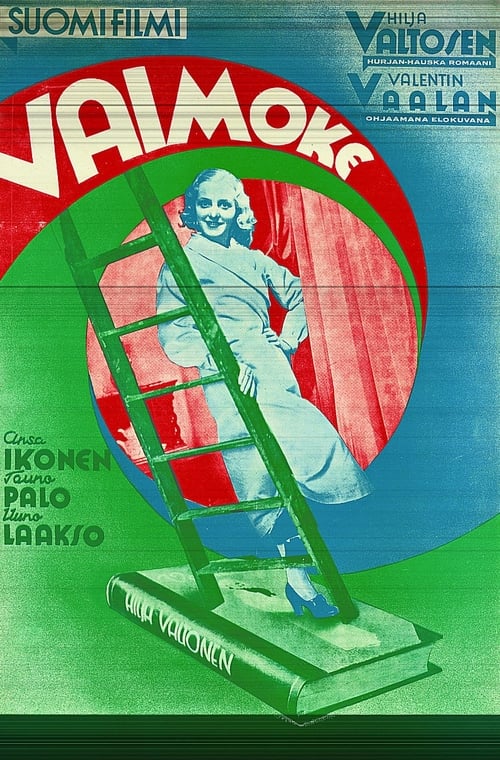
Vaimoke
1936
No user ratings available yet
Representation score: 1.1 out of 10
Representation Score
Minimal
1936
Director
Valentin Vaala
Runtime
80 minutes
Average Rating
No ratings yetNew Showbiz Analysis
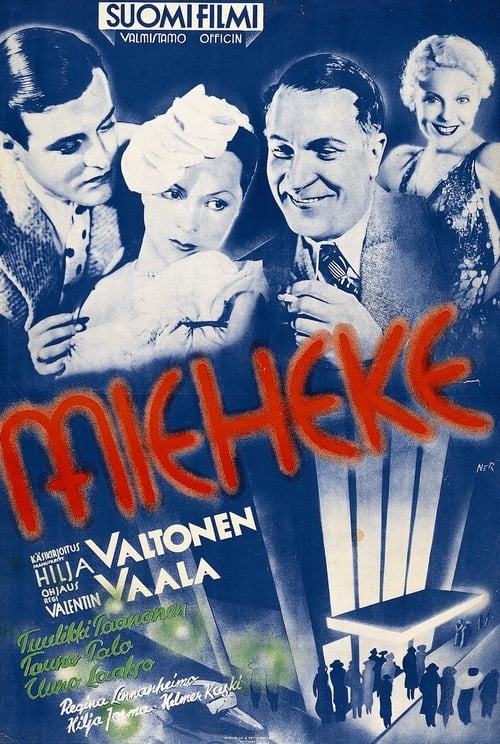
Mieheke is a period-specific comedy that reflects the social constraints of 1930s Finland. The protagonist, Irmeli, shows individual ability to act by subverting employment requirements through a staged marriage, yet the narrative remains rooted in conventional social hierarchies. The film functions as a reflection of its era's standard norms. While the central conflict highlights systemic barriers for women, the resolution typically restores social order through romantic entanglement. Ultimately, the work adheres to established genre conventions rather than attempting to deconstruct or disrupt the cultural frameworks of its time.
Category Breakdown
The film follows a traditional romantic comedy structure focused on heterosexual relationships. There are no non-binary gender identities or critiques of the assumption that everyone is straight.
Irmeli displays resourcefulness by navigating professional obstacles through deception. However, the plot relies on traditional gender roles and domestic expectations for its resolution.
The film reflects the homogeneous demographic reality of 1936 Finland. It follows conventional Nordic standards of the period without intentional multi-ethnic casting.
The story operates within mid-century social institutions and romantic ideals. It reinforces traditional social structures rather than promoting secularism or anti-capitalist sentiment.
There is no evidence of characters with visible or invisible disabilities driving the narrative or being portrayed with real power.
Present on Screen
Limited or Absent
Official Synopsis
Irmeli wants a certain job as a secretary but finds out that she would have to be married in order to get the vacancy. She lies that she has recently married and then gets a stranger from a nearby restaurant to pose as her husband. Complications arise when they have to continue their charade.
1936

1932
1941
1942
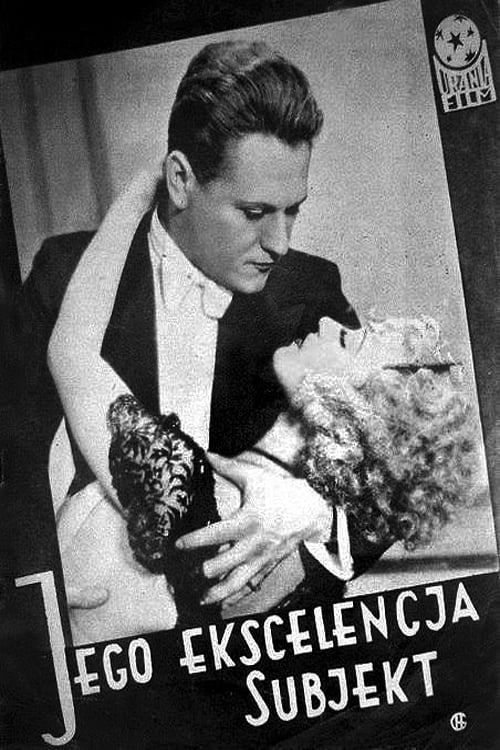
1933
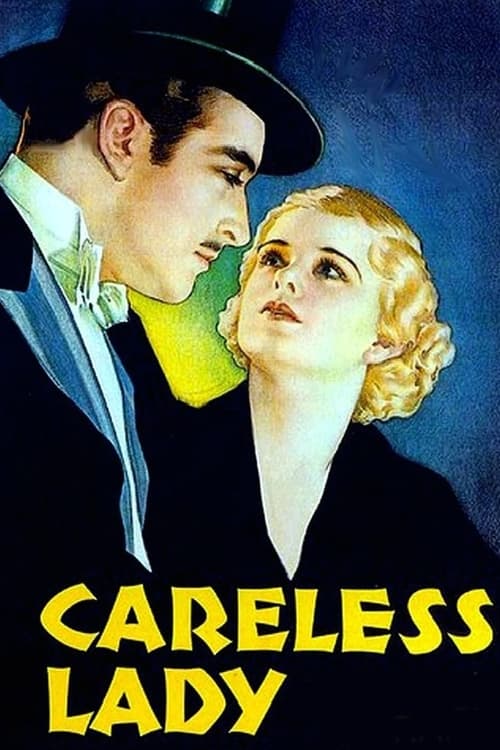
1932
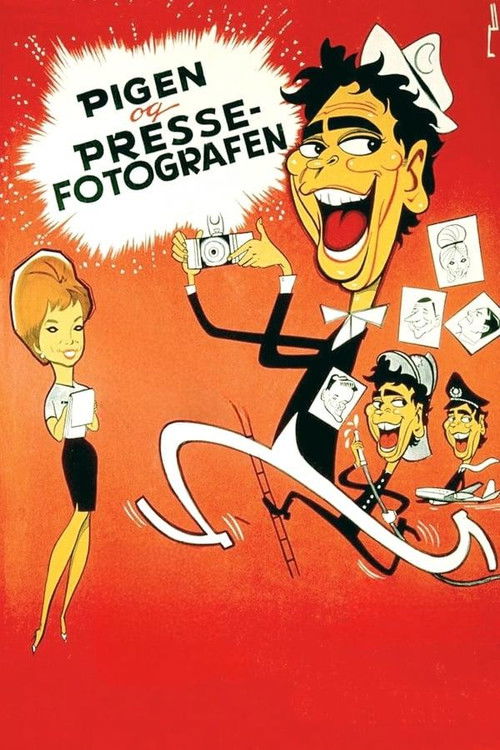
1963
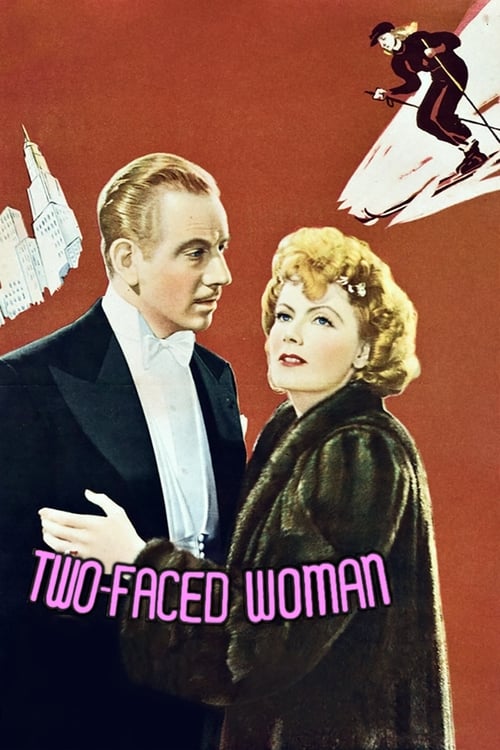
1941
No reviews yet. Be the first to share your thoughts on this movie!
Use the rating form above to leave a star rating and optional review.