
The Pierre Woodman Story
2009
No user ratings available yet
Diversity score: 4.8 out of 10
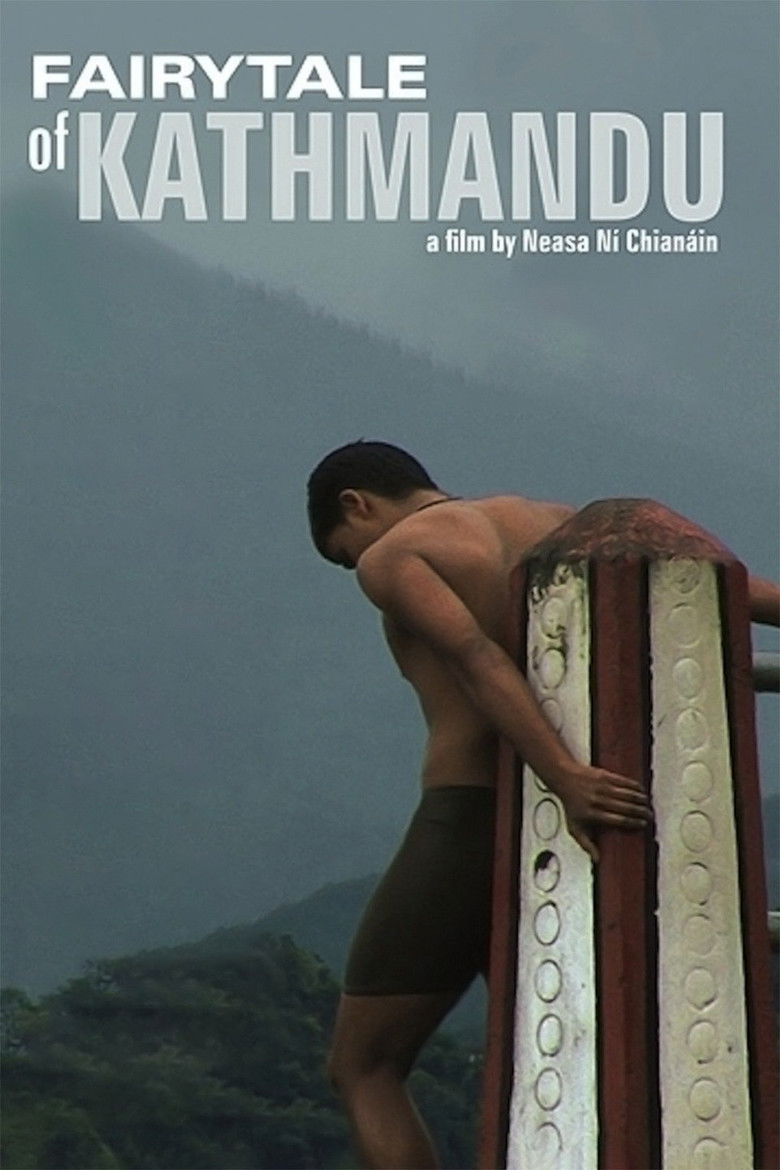
2007
Director
Neasa Ní Chianáin
Runtime
60 minutes
Average Rating
No ratings yetSynopsis
Fairytale of Kathmandu is a 2007 documentary by Neasa Ní Chianáin. The documentary focused on visits by the poet Cathal Ó Searcaigh to Nepal during which he had close relationships with many young boys of 16 years old or younger. The documentary questioned whether Ó Searcaigh's relationships with these youths were exploitative and whether they demonstrated a power and wealth imbalance between the 50 year old Ó Searcaigh and the young Nepalese. Ó Searcaigh is presented in the documentary as paying for the housing, food, bicycles and clothing of boys at most 16 years old. He mentions on camera having sex with some of them, denying that he abused them or that he coerced them into having sex with him.
Overall Score
Fair
Category Breakdown
LGBTQ+ Representation
The film explores non-heteronormative sexual behavior through the lens of ethical inquiry. Rather than celebrating queer identity or joy, the narrative focuses on the investigation of potential exploitation and power imbalances.
Gender Representation
The documentary focuses almost exclusively on male-to-male dynamics. There is a notable absence of female agency or female-centric perspectives within the primary conflict and narrative architecture.
Racial & Ethnic Diversity
The film provides significant visibility to the Nepalese population and Kathmandu's urban landscape. However, the narrative remains driven by a Western subject, placing locals in an observed role.
Religious & Cultural Diversity
The film examines the friction between Western influence and local Nepalese life. It critiques traditional hierarchies by questioning the morality of a Westerner's actions within a foreign cultural context.
Disability Representation
There are no prominent depictions of physical or neurodivergent disabilities that serve as central narrative elements in this work.
Strengths
Areas for Improvement
AI Analysis
Fairytale of Kathmandu is an investigative documentary that prioritizes the scrutiny of power structures over traditional storytelling. It uses its setting to interrogate the intersection of sexuality and socioeconomic status, specifically regarding a Western poet's relationships with young Nepalese males. The film succeeds in highlighting systemic inequality and the socioeconomic disparities between Western visitors and local residents. It avoids simple travelogue tropes by focusing on the uncomfortable ethics of global power imbalances. However, the film lacks broad intersectional representation. The narrative is heavily centered on male dynamics, resulting in a significant absence of female perspectives and a lack of focus on disability.
2009

1966
2009
1970
2005
2010

1994

2011

2022

2013

2017

2006
No reviews yet. Be the first to share your thoughts on this movie!
Use the rating form above to leave a star rating and optional review.